

Ever wondered if you can grow your own carrots right in the comfort of your home? Picture this: having a fresh supply of crunchy, vibrant carrots just a few steps away from your kitchen. Exciting, isn’t it? In this article, you’ll discover the joys of growing carrots in containers.
Imagine the convenience of stepping out to your balcony or patio and plucking a few carrots for your next meal. No need for a vast garden or complicated setups. With container gardening, you can enjoy the satisfaction of harvesting your own homegrown carrots, no matter how limited your space may be.
Get ready to unlock the secrets of successful carrot cultivation in containers. From choosing the right soil to providing adequate sunlight, you’ll soon be on your way to a bountiful harvest of delicious, homegrown carrots.
Benefits of Growing Carrots in Containers
Growing carrots in containers brings a multitude of benefits, making it a rewarding experience. Here are why container gardening is advantageous:
- Small Space Friendly: Perfect for those with limited space like apartments, balconies, or small yards.
- Easy Maintenance: Simplifies watering, weeding, and pest control.
- Controlled Environment: Allows you to monitor sunlight, soil quality, and moisture levels.
- Enhanced Mobility: Move your carrots around to optimize growth conditions.
- Year-Round Cultivation: Extend the growing season indoors during colder months.
- Fresh Produce: Enjoy the satisfaction of harvesting and eating your homegrown carrots.
Whether you are a novice or seasoned gardener, cultivating carrots in containers offers a convenient way to enjoy fresh, delicious produce right at your fingertips.
Choosing the Right Containers for Carrots
When it comes to growing carrots in containers, selecting the right containers is crucial for the success of your carrot plants. Here are a few key considerations to keep in mind:
- Depth: Opt for containers that are at least 12 inches deep to allow ample space for carrot roots to grow long and straight.
- Width: Choose containers that are 10-12 inches wide to give the carrots enough space to spread out.
- Material: Select containers made of durable materials such as plastic, wood, or ceramic that provide good drainage.
- Drainage: Ensure that the containers have sufficient drainage holes to prevent waterlogging, which can cause rotting of the carrot roots.
Remember, the right container can make all the difference in the growth and yield of your container-grown carrots.
Recommended Products

Material:Made from quality plastic material,which is lightweight and reusable. The wall of the nursery pot is thin but durable to use repeatedly.

Material:Made from quality plastic material,which is lightweight and reusable. The wall of the nursery pot is thin but durable to use repeatedly.

CONTAINS: (1) carrot snack and dip container
Selecting the Perfect Soil for Container Carrots
Choosing the right soil for your container-grown carrots is crucial for their growth and development. Here’s what you need to keep in mind:
- Opt for a lightweight, well-draining potting mix to ensure proper aeration and prevent waterlogging.
- Avoid using dense or clay-heavy soil that can compact and restrict root growth.
- Mix in some organic matter like compost or peat moss to enrich the soil and provide essential nutrients.
Sunlight and Water Requirements for Container Carrots
When growing carrots in containers, adequate sunlight is crucial. Place your containers in a spot that receives at least 6 hours of sunlight daily to ensure healthy growth.
For watering, maintain moist but not waterlogged soil. Check soil moisture frequently to avoid under or overwatering. Water deeply whenever the top inch of soil feels dry to the touch.
Remember, sunlight and water are key factors in nurturing thriving container-grown carrots.
Recommended Products

Accurate Soil Moisture Detection: The XLUX Soil Moisture Meter can tell you if the soil deep inside your pot or garden is dry, moist or wet; whereas your eyes and fingers can only determine the moisture level of the soil surface. The probe is 5.5 inches (14 cm) longer than regular styles, allowing it to measure the soil moisture at the bottom of larger and deeper flower pots.
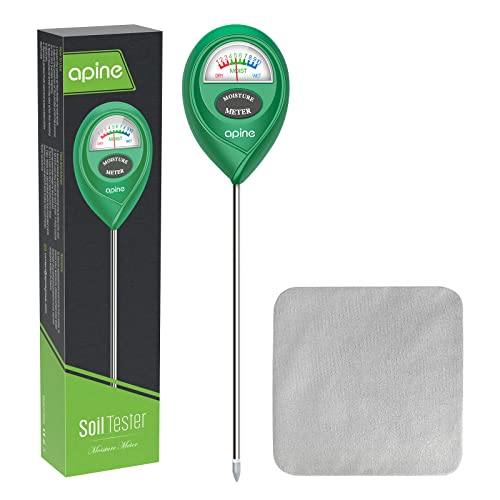
Quick Measurement:Just insert the probe of the plant water meter into the soil about two to four inches,wait a few seconds,you can get the soil moisture immediately.The color division of the dial is simple and clear,and the elderly can easily use it

【SAVE YOUR PLANTS】: Over watering can cause problems with your plants or even kill them. This soil moisture meter helps you know the soil is dry, moist or wet.No more over watering!
Maintaining and Harvesting Carrots in Containers
Growing carrots in containers is an exciting journey. From sowing the seeds to the first harvest, here are some essential tips to help you maintain and harvest your container-grown carrots:
- Monitoring Soil Moisture: Check the soil regularly to ensure it stays moist but not waterlogged. Dry soil can hinder carrot growth, so water deeply when the top inch feels dry.
- Thinning Seedlings: When the seedlings reach about 2 inches in height, thin them to ensure proper spacing for healthy root development. Leave about an inch of space between each carrot plant.
- Feeding Carrots: Fertilize your container-grown carrots every 2-3 weeks with a balanced fertilizer to provide them with essential nutrients for growth.
- Mulching: Applying a layer of mulch around your carrot plants can help retain soil moisture, regulate temperature, and prevent weed growth.
- Harvesting Carrots: Carrots are ready for harvest when they reach the desired size and color. Gently loosen the soil around the carrot and pull it out by grasping the green tops.
- Storing Carrots: After harvesting, remove the tops but leave a bit of the green to help prolong freshness. Store carrots in the refrigerator in a perforated plastic bag to maintain crispness.
- Successive Planting: For a continuous harvest, consider planting carrot seeds every 2-3 weeks. This staggered planting will provide you with a steady supply of fresh carrots throughout the season.
Conclusion
Growing carrots in containers can be a rewarding experience. By following the tips provided in this article, you can successfully cultivate your own fresh and delicious carrots right at home. Remember to monitor soil moisture, thin seedlings, feed with fertilizer, mulch for moisture retention, and harvest at the right time. Storing your harvested carrots properly will ensure their freshness. Consider successive planting for a continuous supply of carrots. With a little effort and attention, you can enjoy a bountiful harvest of home-grown carrots throughout the season. Happy gardening!
Frequently Asked Questions
How often should I water my container-grown carrots?
Water container-grown carrots regularly, keeping the soil evenly moist but not waterlogged. Monitor soil moisture levels, especially during hot weather.
Why is thinning seedlings important for container-grown carrots?
Thinning seedlings ensures proper spacing between plants, allowing each carrot to develop fully without competition. Thinned seedlings also promote good air circulation, reducing the risk of diseases.
How frequently should I feed my container-grown carrots?
Feed container-grown carrots with a balanced fertilizer every 2-3 weeks to provide essential nutrients for their growth and development.
Is mulching necessary for container-grown carrots?
Mulching container-grown carrots helps retain soil moisture, suppress weeds, and regulate soil temperature, promoting healthy carrot growth.
When is the right time to harvest container-grown carrots?
Harvest container-grown carrots when they reach the desired size and color, usually around 60-75 days after planting, depending on the carrot variety.
How should I store harvested carrots?
Store harvested carrots in the refrigerator in a perforated plastic bag to maintain freshness and prevent wilting. Remove leafy green tops before storing.
Can I plant more carrots for a continuous harvest?
Yes, for a continuous supply of fresh carrots, consider successive planting every 2-3 weeks throughout the growing season. This ensures a steady harvest of carrots.
