

Ever wondered if you can grow beets and carrots together in your garden? Picture this: you’re eager to cultivate a thriving vegetable patch, but space is limited. The dilemma arises – can these root veggies coexist harmoniously in the same soil?
What if I told you that planting beets and carrots together not only saves space but also benefits both crops? In this article, you’ll uncover the secrets to successful companion planting and how combining these two vegetables can enhance your garden yield. Let’s dive in and explore the possibilities of growing beets and carrots side by side.
Benefits of Companion Planting
When growing beets and carrots together, you’ll enjoy various benefits from practicing companion planting. Here’s why it’s advantageous:
- Complementary Growth: Beets and carrots have different root depths, allowing them to prevent competition for nutrients and space underground.
- Natural Pest Control: By planting beets and carrots together, you can naturally deter pests that affect one crop but not the other, creating a balanced ecosystem.
- Improved Soil Health: Different crops have varied nutrient needs, and planting beets and carrots side by side can help diversify the soil microbiome, promoting overall soil health.
- Enhanced Yield: Companion planting encourages mutual growth benefits, leading to healthier plants and potentially higher yields for both beets and carrots.
- Space Optimization: Since the two crops have similar growing conditions and mature at different rates, you can maximize your garden space efficiently.
Incorporating companion planting into your garden not only fosters a harmonious environment but also provides practical advantages for your crops.
Understanding the Growth Requirements of Beets and Carrots
When growing beets and carrots together, it’s crucial to understand their unique growth requirements for optimal yield. Here are key factors to consider:
- Soil: Both beets and carrots thrive in well-draining, loose soil to allow for easy root penetration and development.
- Sunlight: Aim for a sunny spot in your garden as both vegetables require full sunlight for at least 6-8 hours daily.
- Water: Beets and carrots benefit from consistent watering, aiming to keep the soil evenly moist but not waterlogged.
- pH Levels: Maintain a neutral pH level around 6.0-7.0 to ensure proper nutrient absorption by the plants.
- Spacing: While companion planting is beneficial, ensure you provide adequate spacing between beets and carrots to avoid overcrowding.
Recommended Products

FALL AND WINTER VEGETABLE SEEDS: 8 non-GMO heirloom varieties for planting vegetables in cool weather gardens, cold frames, raised beds, and containers
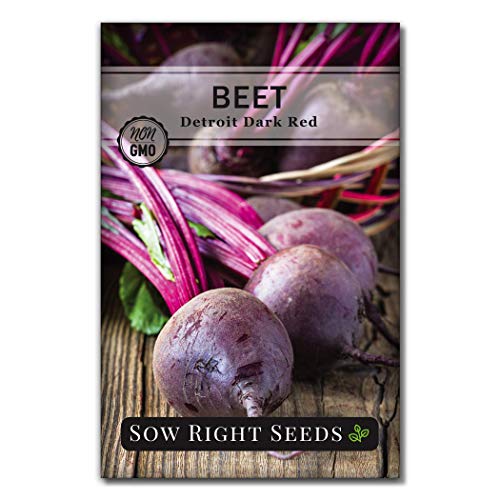
Beautiful - Large premium packet of Detroit Dark Red Beet (Beta var. ‘Detroit Dark Red’) seeds. Vivid, dark red 2-3" round beets have sweet flesh and tasty edible greens. This resilient variety can tolerate temperature variations, offering high productivity even in less-than-ideal soil conditions. Minimum of 1.5 g per packet (about 90 seeds).

Vibrant Color Fusion: A stunning mix of rainbow beetroots, blending deep reds, golden yellows, and earthy whites for a visually striking dish or juice.
Complementing Nutritional Needs
When growing beets and carrots together, consider their Complementing Nutritional Needs to ensure they thrive harmoniously:
- Beets are rich in folate and manganese, while carrots are packed with beta-carotene and vitamin K.
- Combining these vegetables in your garden can provide a diverse range of nutrients for your diet.
Ensure your soil is rich in organic matter to support the growth of both beets and carrots.
- Rotate your crops yearly to maintain soil fertility and avoid nutrient depletion.
Water consistently to support root development and prevent cracking:
- Beets and carrots thrive in moist but well-drained soil to develop healthy roots.
Consider intercropping with herbs like dill or cilantro to deter pests and enhance flavors.
- Avoid planting them near fennel to prevent negative interactions.
Remember, providing the right nutrients and conditions for both beets and carrots will result in a bountiful harvest with nutrient-rich produce.
Pest and Disease Management Strategies
When growing beets and carrots together, it’s essential to implement effective pest and disease management strategies to ensure a successful harvest. Here are some practical tips to help you protect your crops:
- Crop Rotation:
Rotate your crops yearly to prevent the build-up of pests and diseases in the soil. This practice can help maintain soil fertility and reduce the risk of infestations. - Companion Planting:
Consider intercropping with herbs like dill or cilantro to naturally deter pests and attract beneficial insects. These companion plants can help create a more balanced ecosystem in your garden. - Monitoring:
Regularly inspect your plants for any signs of pest infestations or diseases. Early detection is key to preventing issues from spreading and causing significant damage. - Mulching:
Mulching around your beet and carrot plants can help control weeds and retain moisture in the soil. It also creates a barrier that can deter certain pests from reaching your crops. - Organic Pest Control:
Consider using organic pest control methods such as neem oil or insecticidal soap to target specific pests while minimizing harm to beneficial insects and the environment.
By incorporating these Pest and Disease Management Strategies into your gardening practices, you can protect your beets and carrots and increase the likelihood of a healthy and abundant harvest.
Recommended Products

READY-TO-USE CONTACT SPRAY: No mixing required. Thoroughly spray insecticide on all plant parts, including the underside of leaves. Pests must be sprayed directly to achieve control
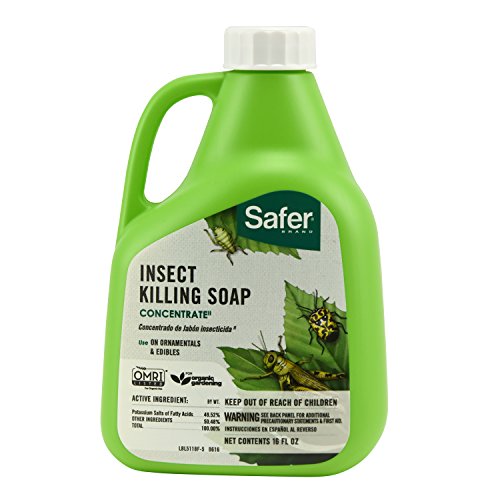
GENTLE ON MOST PLANTS - This aphid spray is ideal for use on flowers, herbs, vegetables, houseplants, lawn, tree, shrubs, and more

FUNGAL DISEASE CONTROL: Prevents and controls black spot on roses, powdery mildew, rust, downy mildew, and other listed fungal diseases when applied on a 7–14 day schedule
Maximizing Space and Yield
When growing beets and carrots together, maximizing space in your garden is key. Here are some strategies to help you optimize your yield:
- Interplanting: By alternating rows of beets and carrots, you can make the most of your garden space while promoting healthy plant growth.
- Succession Planting: Planting successive batches of beets and carrots throughout the growing season allows you to harvest continuously and extend your yield.
- Vertical Gardening: Consider using trellises or vertical planters to utilize vertical space effectively, especially for smaller gardening areas.
- Companion Planting: Pairing beets and carrots with complementary plants, like lettuce or onions, can help maximize your garden’s productivity.
- Square Foot Gardening: Divide your garden into square foot sections to organize your crops efficiently and make the most of limited space.
By implementing these space-saving techniques, you can increase the yield of your beets and carrots while optimizing your garden space for a bountiful harvest.
Recommended Products

【Extra-Large Height & Space for Climbing Plants】Standing at 65 inches tall—3 inches higher than standard versions—this trellis provides generous vertical space for vigorous climbers. The 51×17.7-inch frame with dense netting ensures even plant distribution and maximum sunlight exposure, effectively improving fruit yield and quality.
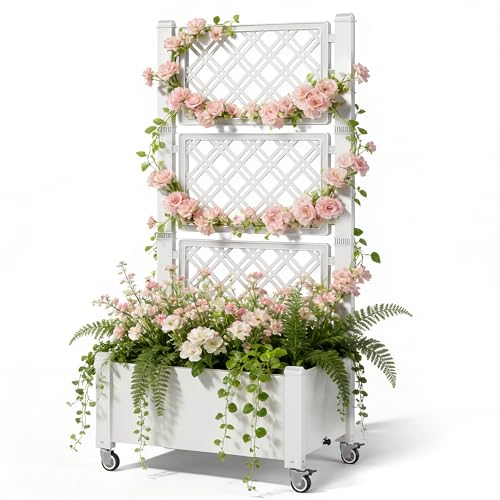
【Simple, Satisfying Assembly】Assembly is quick and hassle-free thanks to clearly labeled parts and clear instructions. Designed with precision and built to last, everything clicks into place perfectly, the structure is incredibly sturdy.

【 Vertical Planter Raised Beds with Trellis】Perfect for home gardening lovers, this vertical herb garden planter indoor kit with 4 rectangular planter boxes outdoor let you plant vegetables, herbs, and flowers in separate flower pots while the 11-inch trellis supports climbing plants like tomatoes, strawberries, vines, and peppers. The raised flower beds outdoor create an optimal environment for your plants to thrive.
Conclusion
You now have a variety of strategies at your disposal to grow beets and carrots together successfully. By interplanting rows, practicing succession planting, and utilizing vertical gardening techniques, you can maximize your garden space and increase your yield. Companion planting with lettuce or onions and utilizing square foot gardening will help you organize your crops efficiently. With these space-saving techniques, you can enjoy a bountiful harvest of both beets and carrots. Happy gardening!
Frequently Asked Questions
Can I grow beets and carrots together in my garden?
Yes, you can grow beets and carrots together in your garden by interplanting rows of both vegetables to maximize space and yield.
What is succession planting, and how does it help with growing beets and carrots?
Succession planting involves planting new crops as soon as the previous ones are harvested. This technique helps ensure a continuous harvest of beets and carrots throughout the growing season.
How can vertical gardening benefit the growth of beets and carrots?
Vertical gardening with trellises or planters allows you to grow beets and carrots upwards, saving space and promoting better air circulation and sunlight exposure for the plants.
Why is companion planting important when growing beets and carrots?
Companion planting, such as growing lettuce or onions alongside beets and carrots, can help repel pests, attract beneficial insects, and enhance the growth and flavor of all plants involved.
How does square foot gardening help optimize space for beets and carrots?
Square foot gardening involves dividing your garden into square-foot sections, allowing you to efficiently plan and organize the planting of beets and carrots to maximize yield in a limited space.
