

Ever wondered if you could give your carrots a new home? Picture this: you’ve lovingly tended to your carrot seedlings, but now you’re faced with a dilemma. Can you actually transplant them? In this article, we’re diving into the world of carrot transplantation to help you navigate this veggie conundrum.
Benefits of Transplanting Carrots
Transplanting carrot seedlings allows you to control growing conditions better, ensuring optimal soil quality and sunlight exposure.
Here are some benefits of transplanting carrots:
- Early Start: Transplanting carrots can speed up the growth process, giving you an earlier harvest.
- Improved Yield: By transplanting, you can thin out seedlings, promoting healthier root development and increasing overall yield.
- Weed Control: Transplanted carrots are less likely to be overrun by weeds, resulting in healthier plants.
- Flexibility: You have more control over spacing and can adjust plant placement as needed for optimal growth.
Remember to transplant carefully to avoid damaging the delicate roots of your carrot seedlings.
When to Transplant Carrots
So, when should you transplant those vibrant carrot seedlings into the garden? Let’s delve into the optimal timing for this crucial gardening task.
- Timing: You should aim to transplant your carrot seedlings when they have grown to about 2-4 inches tall, typically around 2-3 weeks after germination. This stage allows the seedlings to have developed a robust root system that can withstand the transplant shock.
- Weather: The ideal time to transplant carrots is during cool, overcast weather or in the late afternoon to minimize stress on the delicate seedlings.
- Soil Conditions: Ensure the soil is moist but not waterlogged before transplanting. Loosen the soil gently to accommodate the young roots without causing damage.
- Spacing: When transplanting, space the seedlings about 1-2 inches apart to allow ample room for growth. Proper spacing is crucial for healthy root development and optimal yield.
- Season: For most regions, transplanting carrots is best done in the early spring or early fall to take advantage of the mild temperatures and ensure successful establishment.
By following these guidelines, you can maximize the chances of success when transplanting carrot seedlings and enjoy a bountiful harvest in the seasons ahead.
How to Transplant Carrots
When transplanting carrots, follow these steps to ensure a successful process:
- Prepare the soil: Make sure the soil is loose, well-draining, and free of rocks.
- Water thoroughly: Before transplanting, water the soil well to help ease the seedlings’ transition.
- Select healthy seedlings: Choose seedlings that are 2-4 inches in height and have a strong, healthy appearance.
- Transplant carefully: Gently lift the seedlings from their containers, being careful not to disturb the roots. Transplant them into pre-dug holes.
Recommended Products

HELPING YOU GARDEN BETTER: Get ready for a huge harvest from your vegetable garden! Inspired by the Square Foot Gardening method, our patented seed-spacing template is fun for all ages and experience levels.
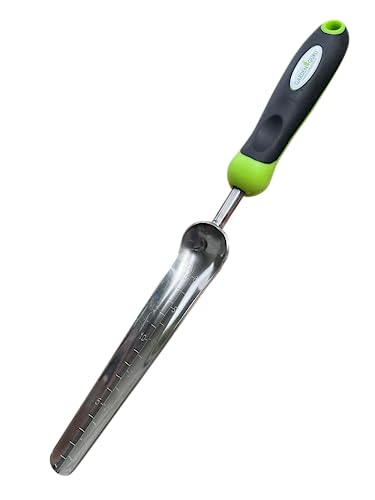
PERFECT SEED PLANTING TROWEL – Narrow edge to easily fit in small spaces. Ideal for planting seeds and transplanting small plants, vegetables, flowers in narrow and hard to reach spaces.
Spacing and Depth
- Plant at proper depth: Carrots have a taproot, so plant them at the right depth to allow for their growth.
- Space them correctly: Maintain a spacing of 1-2 inches between seedlings to give them ample room to develop.
- Transplant on a cool day: Pick a cloudy day or transplant in the late afternoon to reduce stress on the seedlings.
- Moisture is key: Ensure the soil is adequately moist but not waterlogged to promote healthy growth.
- Consider the season: Aim to transplant carrots in early spring or early fall for the best results.
Follow these steps to successfully transplant your carrot seedlings and enjoy a bountiful harvest in the future.
Common Mistakes to Avoid When Transplanting Carrots
Transplanting carrots may seem straightforward, but there are common mistakes that can hinder the process. Here’s what to watch out for:
- Starting with Overcrowded Seedlings: When transplanting carrots, overcrowding can impede growth. Ensure you space your seedlings properly to allow room for each plant to develop its root system.
- Neglecting Adequate Watering: Carrots need consistent moisture, especially during the transplanting stage. Make sure you water the soil sufficiently before and after transplanting to help the seedlings establish themselves.
- Planting Carrots Too Deep: Carrot seeds are tiny, and it’s easy to plant them too deep. Planting at the right depth is crucial for successful growth. Remember, carrot seeds should be sowed shallowly.
- Choosing the Wrong Transplanting Time: Transplanting at the wrong time can stress your carrot seedlings. Opt for cooler periods, like early spring or late fall, to give them the best chance at thriving.
- Skipping Soil Preparation: Ensure your soil is loose and well-draining before transplanting. Neglecting soil preparation can hinder the growth of your carrots in the long run.
- Forgetting to Harden Off Seedlings: If you’re transplanting seedlings started indoors, remember to harden them off before moving them outdoors. Sudden exposure to outdoor conditions can shock the plants.
By avoiding these common pitfalls, you can increase the success rate of transplanting carrots and enjoy a bountiful harvest in the future.
Caring for Transplanted Carrots
When it comes to Caring for Transplanted Carrots, there are a few key factors to keep in mind to ensure the success of your crop:
- Watering: Ensure your transplanted carrots receive consistent moisture without overwatering, which can lead to rot.
- Weeding: Keep the area around your carrots free of weeds to prevent competition for nutrients and space.
- Thinning: Thin out your carrot seedlings to give each plant enough room to grow and develop properly.
- Mulching: Consider applying mulch around your transplanted carrots to help retain moisture and suppress weed growth.
- Fertilizing: Use a balanced fertilizer to provide essential nutrients for healthy carrot growth.
- Pest Control: Monitor for pests that may damage your carrot crop and take appropriate measures to protect your plants.
Remember, with proper care and attention, your transplanted carrots can thrive and produce a bountiful harvest for you to enjoy.
Conclusion
Now that you know the essentials for successfully transplanting carrots, it’s time to put your knowledge into action. Remember to water consistently, keep weeds at bay, thin seedlings, mulch for moisture, fertilize wisely, and manage pests. With these practices in place, you’ll be on your way to enjoying a thriving carrot harvest. Happy gardening!
Frequently Asked Questions
How often should I water my transplanted carrots?
Water your transplanted carrots consistently, ensuring the soil is kept moist but not waterlogged to promote healthy growth.
Why is weeding important for transplanted carrots?
Weeding is crucial to prevent competition for nutrients and sunlight, allowing your transplanted carrots to thrive without interference.
Do I need to thin out the carrot seedlings after transplanting?
Yes, thin out the carrot seedlings to provide adequate space for proper growth and development of your transplanted carrots.
Is mulching necessary for transplanted carrots?
Mulching helps retain moisture in the soil, regulates temperature, and suppresses weeds, leading to healthier transplanted carrots.
What type of fertilizer should I use for my transplanted carrots?
Use a balanced fertilizer to provide essential nutrients for the growth and development of your transplanted carrots.
How can I control pests on my transplanted carrots?
Implement pest control measures such as physical barriers, companion planting, and organic pesticides to protect your transplanted carrots from common pests.
