

Ever wondered how new carrot varieties come into existence? Imagine creating unique carrot breeds that are both flavorful and resilient. In this article, you’ll explore the fascinating world of cross-pollination in carrots.
Have you ever tasted a carrot so delicious you wished there were more like it? Picture having the ability to cultivate carrots tailored to your preferences. Discover how cross-pollination can lead to a diverse array of carrot types, each with its own distinct qualities.
By delving into the realm of cross-pollination with carrots, you’ll uncover the secrets behind developing innovative varieties that could revolutionize your gardening experience. Get ready to embark on a journey of discovery and creativity in the realm of carrot cultivation.
Understanding Carrot Cross-Pollination
When it comes to cross-pollination in carrots, it involves the transfer of pollen from one carrot flower to another. This process plays a crucial role in creating new varieties with unique characteristics.
Carrots are biennial plants, meaning they go through a two-year life cycle. During the second year, they produce flowers that attract pollinators such as bees, butterflies, and other insects.
Here’s how carrot cross-pollination works:
- Pollination: Pollen moves from the anther of one carrot flower to the stigma of another, leading to the formation of seeds with combined genetic traits.
- Genetic Variation: Cross-pollination introduces genetic diversity by combining traits from different parent plants, resulting in offspring with new characteristics.
- Selective Breeding: By controlling the cross-pollination process, growers can select and breed carrots with specific traits like color, flavor, and shape.
- Isolation: To maintain genetic purity in carrot varieties, it’s essential to isolate plants to prevent unwanted cross-pollination.
Understanding the intricacies of carrot cross-pollination empowers you to experiment with creating unique carrot varieties tailored to your preferences. By harnessing the power of pollination, you can unlock a world of possibilities in your garden.
The Science Behind Developing New Carrot Varieties
Carrots can indeed be cross-pollinated to create new varieties with unique traits. The process involves the transfer of pollen from one carrot flower to another, leading to the development of offspring that exhibit a blend of characteristics from the parent plants.
Genetic diversity plays a crucial role in this process, as it allows for the creation of carrots with distinct qualities such as color, flavor, and shape. By selectively breeding carrots with desired traits, growers can cultivate customized varieties to suit their preferences and needs.
To develop new carrot varieties, it’s essential to understand the fundamentals of genetics and plant reproduction. By mastering the principles of cross-pollination and hybridization, you can take control of the breeding process and guide the creation of innovative carrot strains.
Experimenting with cross-pollination requires patience and careful observation. By isolating carrot plants to prevent unwanted pollination and documenting the traits of each generation, you can track the progress of your breeding efforts and fine-tune the characteristics of future varieties.
Techniques for Cross-Pollinating Carrots
When it comes to cross-pollinating carrots, there are several essential techniques you can employ to increase the chances of success:
- Embrace hand pollination: Delicately transfer pollen from one carrot flower to another using a small brush or cotton swab.
- Timing is key: Pollinate the flowers early in the morning when they’re freshly open for the best results.
- Isolate plants: To avoid unwanted cross-pollination, separate carrot varieties you wish to breed from others in the garden.
- Keep it consistent: Repeat hand pollination for several days to ensure thorough cross-pollination and increase the chances of obtaining desired traits.
- Monitor and track: Regularly observe the progress of the pollinated flowers to track the development of seed pods and predict the success of the cross-pollination.
By following these techniques, you can increase your chances of successfully creating new carrot varieties through cross-pollination.
Recommended Products

PRECISION USE: Firm wood handle allows for accurate application, even in delicate or hard-to-reach areas

Long Handle Cotton Swabs:High quality of wooden handle and Wooden handles offer aggressive cleaning.Cotton swabs designed with pure healthy cotton and durable cotton head thar does not easily unravel, is gentle to your skin and items surface.Wood handle is not easy to break, comfortable and safe for use.
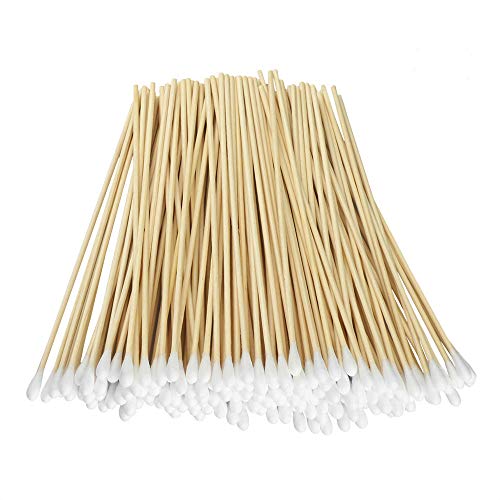
6 Inch Long Wooden Cotton Swabs sturdy Flexible stick wooden handles
Selecting Traits for Desired Carrot Varieties
When selecting traits for your desired carrot varieties, it’s essential to consider what characteristics you want to enhance in the new plants. Here are some factors to keep in mind:
- Flavor: Choose carrots with the taste profile you prefer, whether sweet, earthy, or mild.
- Color: Opt for hues that appeal to you, such as orange, purple, yellow, or white carrots.
- Shape: Select carrots based on how you plan to use them – whether for slicing, snacking, or cooking.
- Size: Decide on the ideal size for your needs, from petite carrots to larger ones for roasting.
To develop new varieties with the traits you desire, it’s crucial to carefully cross-pollinate carrots to create unique combinations. Experimenting with different traits and monitoring the results will help you achieve your goals.
Remember, the more you understand about the traits you wish to enhance in your carrot varieties, the more successful your cross-pollination efforts will be.
Recommended Products

High Germination Rate – Each packet contains 1200 premium heirloom rainbow carrot seeds carefully tested for high germination rates. Whether you‘re a beginner or an experienced gardener, you’ll enjoy a consistent and bountiful harvest.

RAINBOW COLOR BLEND - This rainbow carrot (Daucus carota var. sativus) seed mix yields a stunning mix of purple, yellow, white, and orange carrots for a bright harvest that adds fun and nutrition to every meal and garden

🌌 Unique Cosmic Color Pattern Grow stunning purple carrots with vibrant orange-yellow starburst centers that create a galaxy-like appearance when sliced. A rare and eye-catching addition to any vegetable garden or dinner plate.
Exploring the Potential of Cross-Pollination in Carrots
When it comes to cross-pollinating carrots to create new varieties, there is a rich world of possibilities waiting to be explored right in your garden. Let’s delve into the exciting realm of cross-pollination and what it can offer:
- Chance for Innovation: Cross-pollination opens doors to innovative carrot varieties that may not exist otherwise.
- Enhanced Traits: By combining different characteristics, you can tailor carrots to meet specific preferences.
Mixing Traits like flavor, color, shape, and size can lead to the creation of unique and personalized varieties that suit your tastes perfectly.
Embark on this journey of discovery and experimentation to witness the magic of cross-pollination unfold in your own garden.
Conclusion
You’ve learned about the exciting possibilities that cross-pollination offers for creating new and unique carrot varieties. By blending different traits, such as flavor, color, shape, and size, you can customize carrots to suit your preferences perfectly. This process not only allows for experimentation but also opens the door to a world of discovery right in your own garden. Embrace the magic of cross-pollination and watch as it transforms ordinary carrots into extraordinary creations. Get ready to unleash your creativity and explore the endless potential of developing personalized carrot varieties through this fascinating technique.
Frequently Asked Questions
What is cross-pollination in carrots?
Cross-pollination in carrots involves transferring pollen from one carrot plant to the flower of another plant to combine traits and create new varieties.
How can cross-pollination benefit carrot breeding?
Cross-pollination offers the opportunity to develop unique carrot varieties with customized traits like flavor, color, shape, and size to suit specific preferences.
What can individuals achieve through cross-pollination?
By engaging in cross-pollination, individuals can experiment and discover new combinations, leading to the creation of personalized carrot varieties in their own garden.
What does the article emphasize about cross-pollination in carrots?
The article highlights the innovative potential of cross-pollination in carrots for creating distinct varieties and the excitement of witnessing the process unfold in a garden setting.
