

Ever wondered if your beets and tomatoes can thrive side by side in the garden? Picture this: you’re planning your vegetable patch, contemplating which plants to pair for a successful harvest. Should you mix beets with tomatoes, or is it a gardening faux pas?
In this article, we explore the compatibility of planting beets and tomatoes together. You’ll discover practical tips on companion planting that can benefit both crops. By understanding the dynamics between these two popular vegetables, you’ll unlock the secrets to a bountiful garden. Ready to elevate your gardening game? Let’s delve into the world of beets and tomatoes growing harmoniously in your backyard.
Key Takeaways
- Companion planting beets and tomatoes can enhance growth and act as a natural pest control method.
- Beets and tomatoes have different nutritional needs, so supplementing the soil with compost or balanced fertilizer is essential.
- Allocate sufficient space for beets (2-4 inches apart) and tomatoes (24-36 inches apart) to accommodate their growth habits effectively.
- Plant beets before the last frost date and transplant tomatoes outdoors after the danger of frost has passed for optimal development.
- Pay attention to soil conditions, pH levels, and sunlight requirements to create a harmonious environment for both crops.
- Mitigate potential challenges like disease risks and resource competition by ensuring proper spacing, good garden hygiene, and soil enrichment.
Benefits of Companion Planting
Companion planting beets and tomatoes in your garden can offer several advantages, enhancing the growth and health of both plants. Understanding these benefits can help you optimize your gardening efforts for a more successful harvest.
Enhanced Growth
When planted together, beets and tomatoes can complement each other’s growth. Beets are known for their shallow root systems, which do not compete directly with the deeper roots of tomatoes. This allows them to thrive side by side without hindering each other’s development. The efficient use of space and resources leads to improved overall plant growth and productivity.
Pest Control
Companion planting beets with tomatoes can also act as a natural pest control method. Tomatoes release compounds that repel certain pests harmful to beets, while beets emit substances that deter pests that commonly affect tomatoes. By interplanting these vegetables, you create a mutually beneficial environment where they help shield each other from potential infestations, reducing the need for chemical interventions.
By leveraging the symbiotic relationship between beets and tomatoes through companion planting, you not only promote healthier plants but also contribute to a more sustainable and eco-friendly gardening approach.
Compatibility of Beets and Tomatoes
When considering planting beets and tomatoes together, it’s essential to understand their compatibility to ensure optimal growth and health for both plants. Here’s what you need to know about the nutritional needs and space requirements when companion planting these vegetables.
Recommended Products

Arranging your garden with this in mind can double your bounty!


Nutritional Needs
Beets and tomatoes have different nutritional requirements despite being compatible companions in the garden. While both benefit from well-drained soil rich in organic matter, they have specific needs that you should consider:
- Beets: These root vegetables thrive in soil with adequate phosphorus for root development. They prefer slightly acidic soil with a pH level between 6.0 and 7.0.
- Tomatoes: As fruiting plants, tomatoes require ample sunlight to produce quality fruits. They also benefit from nitrogen-rich soil for healthy foliage growth.
To meet the nutritional needs of both beets and tomatoes when planting them together, consider supplementing the soil with compost or balanced fertilizer to provide essential nutrients for optimal growth.
Space Requirements
When planting beets and tomatoes together, it’s crucial to allocate sufficient space to accommodate the growth habits of each plant without overcrowding them:
- Beets: These compact plants can be grown closer together in rows, typically spaced about 2-4 inches apart.
- Tomatoes: Indeterminate tomato varieties require more space due to their vining nature. Plant them at least 24-36 inches apart in rows with support structures like cages or stakes.
By understanding the space requirements of beets and tomatoes, you can plan your garden layout effectively to promote healthy growth and maximize harvest yields when companion planting these vegetables.
Planting Techniques for Beets and Tomatoes
When planting beets and tomatoes together, consider the following techniques to ensure optimal growth and a bountiful harvest.
Recommended Products

TOP-RATED NUTRITIONAL HEIRLOOM: Detroit Dark Red is a premium, high-yielding, and stress-resistant beet variety that stands at the pinnacle of root vegetables. This all-season favorite is a mid-early universal cultivar, perfect for consistent home harvests of professional quality.
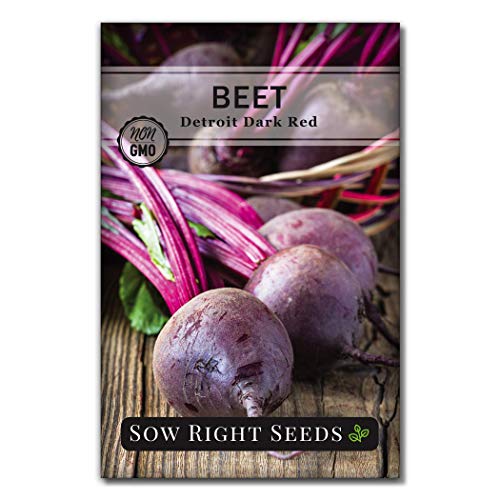
Beautiful - Large premium packet of Detroit Dark Red Beet (Beta var. ‘Detroit Dark Red’) seeds. Vivid, dark red 2-3" round beets have sweet flesh and tasty edible greens. This resilient variety can tolerate temperature variations, offering high productivity even in less-than-ideal soil conditions. Minimum of 1.5 g per packet (about 90 seeds).
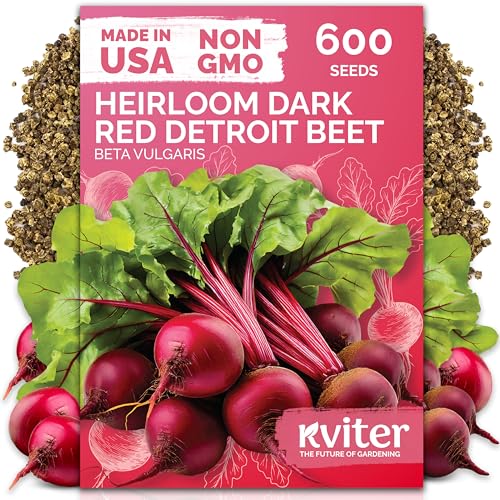
55-60 Day Harvest: Red beet seeds mature fast with tender 2-3 inch roots and sweet classic flavor; sow in loose, well-drained soil at 55-70 °F for best vegetable seeds results.
Timing and Spacing
Plant your beets and tomatoes at the right time to promote healthy development. Start by sowing beet seeds directly into the soil about two weeks before the last frost date in your area. Transplant your tomato seedlings outdoors after all danger of frost has passed. Ensure that you space your plants correctly to avoid overcrowding. Beets should be planted 3-4 inches apart in rows spaced 12-18 inches apart, while tomatoes need about 18-24 inches between plants to thrive.
Soil Conditions and Care
Create a harmonious environment for your beets and tomatoes by paying attention to soil conditions. Beets prefer slightly acidic soil with a pH level between 6.0-7.0 that is rich in phosphorus. On the other hand, tomatoes thrive in nitrogen-rich soil with a pH level of 6.2-6.8, requiring ample sunlight for optimal growth. To support both plants, amend the soil with compost or well-decomposed manure before planting to provide essential nutrients.
By following these planting techniques for beets and tomatoes, you can set up a successful garden bed that promotes their growth while maximizing your harvest yields.
Potential Challenges
Recommended Products


Classic sweet beetroot + greens, Detroit Dark Red, a dependable heirloom table beet (Beta vulgaris); deep red, round roots with strong tops; great for roasting, salads, pickling, and storage

Risk of Disease
Planting beets and tomatoes together can pose a risk of disease due to their different susceptibility to certain pathogens. For instance, tomatoes are prone to fungal diseases like blight, while beets may suffer from leaf spot or root rot. When grown in close proximity, these diseases can easily spread between the plants, affecting both crops. To mitigate this risk, ensure proper spacing between beets and tomatoes to allow for adequate air circulation, reducing humidity levels that favor disease development. Additionally, practicing good garden hygiene by removing any infected plant debris promptly can help prevent the spread of diseases among your crops.
Competition for Resources
Beets and tomatoes have distinct nutritional needs and growth habits that can lead to competition for resources when planted together. Both plants require sufficient nutrients from the soil to thrive and produce healthy yields. However, they may compete for essential elements such as nitrogen, phosphorus, and water if not adequately spaced apart. To address this challenge, it’s crucial to provide ample space between beet and tomato plants to minimize resource competition. Properly amending the soil with organic matter before planting can also help ensure that each crop receives the necessary nutrients without compromising their growth potential. By carefully managing resource allocation through strategic spacing and soil enrichment, you can optimize the growth of both beets and tomatoes in your garden.
Conclusion
You’ve learned about the benefits and considerations of planting beets and tomatoes together in your garden. Understanding their compatibility, planting techniques, and potential challenges is key to successful companion planting. Remember to space them adequately, maintain good garden hygiene, and enrich the soil for optimal growth. By being mindful of disease prevention and resource competition, you can create a harmonious environment where both crops thrive. Experiment with different strategies to find what works best for your garden. Happy gardening!
Frequently Asked Questions
Can beets and tomatoes be planted together in a garden?
Yes, beets and tomatoes can be planted together in a garden. They have a symbiotic relationship that benefits both plants.
What are the benefits of companion planting beets and tomatoes?
Companion planting beets and tomatoes can help with natural pest control, as they repel pests that may harm each other.
How should I plant beets and tomatoes together?
When planting beets and tomatoes together, ensure they have compatible nutritional needs and provide enough space for each plant to grow optimally.
What challenges should I consider when planting beets and tomatoes together?
Be aware of the different susceptibility to diseases between beets and tomatoes, which could pose a risk. Also, competition for resources like water or sunlight may occur.
How can I prevent disease spread when companion planting beets and tomatoes?
To prevent disease spread, maintain proper spacing between plants to allow for good air circulation. Additionally, practice good garden hygiene by removing any infected plant material promptly.
How do I optimize the growth of both crops when companion planting beets and tomatoes?
Optimize growth by enriching the soil with organic matter before planting. Strategic spacing between plants will also help minimize resource competition for better growth outcomes.
