

Have you ever dreamed of plucking juicy, ripe tomatoes straight from your own garden? Picture this: the sun-kissed fruit bursting with flavor, ready to elevate your salads and sauces. But when is the best time to start growing these vibrant gems in your backyard? Understanding how and when to grow tomatoes can make all the difference in reaping a bountiful harvest.
Key Takeaways
- Understanding the tomato growing cycle is crucial for a successful harvest.
- Select suitable tomato varieties based on your region’s climate, available space, and intended use.
- Plant tomatoes in late spring or early summer after all chances of frost have passed and the soil has warmed up.
- Provide consistent moisture without overwatering, fertilize regularly, and support plants with stakes or cages for optimal growth.
- Manage pests and diseases by identifying early signs, using natural remedies, practicing crop rotation, and maintaining good garden hygiene.
- Harvest ripe tomatoes by looking for vibrant colors, gentle firmness when squeezed, and a sweet aroma; use twisting or pruning shears for harvesting.
Understanding the Tomato Growing Cycle
When diving into tomato cultivation, understanding the tomato growing cycle is crucial for a successful harvest. Let’s explore key aspects to guide you through this rewarding journey.
Choosing the Right Tomato Varieties
Selecting suitable tomato varieties sets the foundation for a thriving garden. Consider factors like your region’s climate, available space, and intended use of the tomatoes. Here are some common types to help you decide:
- Cherry Tomatoes: Ideal for snacking and salads due to their small size and sweet flavor.
- Beefsteak Tomatoes: Great for sandwiches and slicing with their large, meaty texture.
- Roma Tomatoes: Perfect for sauces and canning because of their low moisture content.
- Zone 1 has the coldest temperatures, while Zone 13 enjoys tropical conditions.
- Check your zone using online resources or consult local gardening experts to make informed decisions about planting tomatoes in your area.
Preparing for Planting
Before you start planting your tomatoes, there are essential steps to take to ensure a successful harvest. Here’s what you need to do:
Recommended Products

ALL-NATURAL MIX: Burpee Organic Premium Potting Mix is formulated with plant food & coconut coir to promote seed & root growth and healthy flower, vegetable & herb plants. OMRI Listed for organic use.
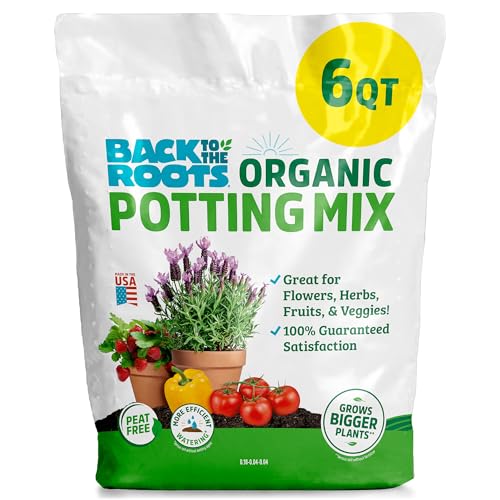
Includes 6qt of Back to the Roots Premium Blend Potting Mix. 100% Organic and Peat-Free, made from upcycled plant matter and wood fines from across the U.S. No imported peat, just better soil with a lighter carbon footprint.

CONTAINS: This organic Seed Stating soil mix is a rich blend of sphagnum peat moss & perlite with yucca extract and lime to ensure correct pH.
Selecting the Right Soil
To grow healthy tomatoes, choose well-draining soil rich in organic matter. A loamy soil type is ideal as it retains moisture without becoming waterlogged. You can enhance the soil by adding compost or aged manure before planting.
Choosing a Planting Location
Select a sunny spot for your tomato plants as they thrive in full sunlight. Aim for at least 6-8 hours of direct sunlight per day. Ensure the location is sheltered from strong winds that could damage the plants.
By preparing the soil and selecting an optimal planting location, you set the foundation for robust tomato growth and bountiful harvests.
Planting Your Tomatoes
When it comes to planting your tomatoes, timing is crucial. Here’s a breakdown of the best time to plant tomatoes and techniques for ensuring a successful planting process.
Best Time to Plant Tomatoes
The best time to plant tomatoes is when all chances of frost have passed and the soil has warmed up. Typically, this falls in late spring or early summer, depending on your specific location. Aim for daytime temperatures consistently above 50°F (10°C) for optimal growth.
- Prepare the Soil: Choose well-draining soil rich in organic matter. Mix in compost before planting to provide essential nutrients for your tomato plants.
- Select an Ideal Location: Find a spot with full sun exposure (at least 6-8 hours of sunlight daily). Ensure good air circulation around the plants to prevent diseases.
- Planting Depth: When transplanting seedlings, bury them deep into the soil up to the first set of leaves. This encourages strong root development.
- Spacing: Give your tomato plants adequate space (18-24 inches apart) to allow room for growth and proper airflow between plants.
- Support Systems: Install stakes or cages at planting time to support the growing plants as they develop heavy fruit loads.
- Watering: Keep the soil consistently moist but not waterlogged, especially during hot weather conditions.
- Mulching: Apply mulch around the base of the plants to retain moisture, regulate soil temperature, and reduce weed growth.
Maintenance and Care
Caring for your tomato plants properly is essential to ensure healthy growth and a bountiful harvest. Here’s how you can maintain and care for your tomato plants effectively.
Recommended Products

Package contains 18 tomato fertilizer spikes and are produced to avoid wasteful runoff, mess, hazards and smells

The Old Farmer's Almanac Plant Food Mini Spikes provide fast acting, long lasting, robust nutrition to feed indoor and outdoor tomatoes, vegetables, fruits, berries, herbs and other crops.

Contains natural ingredients to feed microbes in the soil
Watering and Fertilizing
When it comes to watering tomatoes, consistency is key. You should water your plants regularly, ensuring the soil remains consistently moist but not waterlogged. A general rule of thumb is to provide around 1-1.5 inches of water per week, either through rainfall or manual watering.
Fertilizing is also crucial for the optimal growth of your tomato plants. You can use a balanced fertilizer with equal parts nitrogen, phosphorus, and potassium. Begin fertilizing when the first fruits start to appear and continue every two to three weeks throughout the growing season.
Pruning and Supporting Tomatoes
Pruning helps promote airflow within the plant, reducing the risk of diseases and supporting fruit development. Remove any suckers that develop in the crotch joint between two branches as they divert energy from fruit production.
Supporting your tomato plants is vital, especially for indeterminate varieties that grow tall. Use stakes or cages to support the main stem as it grows upward, preventing it from bending or breaking under the weight of developing fruits.
By following these maintenance and care practices diligently, you’ll set your tomato plants up for success, leading to a productive harvest of delicious tomatoes in your garden.
Addressing Common Challenges
Dealing with pests and diseases is a crucial aspect of growing tomatoes successfully. Here are some tips to help you manage these challenges effectively:
Managing Pests and Diseases
- Identify Early Signs: Regularly inspect your tomato plants for any signs of pests or diseases such as yellowing leaves, spots, or unusual growth.
- Natural Remedies: Consider using natural solutions like neem oil spray or introducing beneficial insects like ladybugs to control pest populations without harmful chemicals.
- Crop Rotation: Rotate your tomato plants with other crops each season to disrupt pest cycles and reduce the risk of disease buildup in the soil.
- Proper Hygiene: Practice good garden hygiene by removing plant debris, weeds, and fallen fruits regularly to prevent pests and diseases from spreading.
Adapting to Weather Conditions
Growing tomatoes means being prepared for various weather conditions. Here’s how you can adapt:
- Water Management: Adjust your watering schedule based on the weather; provide consistent moisture without overwatering to prevent issues like blossom end rot.
- Temperature Control: Protect young plants from late frosts with row covers or cloches; use mulch around established plants to regulate soil temperature and retain moisture.
- Shade Provision: During hot summer days, provide shade for your tomato plants using shade cloth or planting them strategically near taller crops for protection from intense sunlight.
- Wind Protection: Stake tall varieties securely and shield plants from strong winds that can damage stems and fruit; consider windbreaks if your garden is prone to gusty conditions.
Harvesting Your Tomatoes
Harvesting your tomatoes at the right time ensures optimal flavor and texture. Here’s how to know when your tomatoes are ready for picking and the best techniques to harvest them.
Signs of Ripeness
To determine if your tomatoes are ripe, look for these signs:
- Color: Fully ripe tomatoes typically exhibit vibrant colors like red, yellow, or orange, depending on the variety.
- Texture: Gently squeeze the tomato; it should yield slightly under pressure without being too firm or too soft.
- Smell: Ripe tomatoes emit a sweet, earthy aroma from the stem end.
Harvesting Techniques
When harvesting your tomatoes:
- Twist Method: Gently twist the tomato upwards until it detaches from the vine.
- Pruning Shears: Use clean pruning shears to snip off the tomato with a small part of the stem attached.
- Timing: Harvest in the morning when temperatures are cooler to prevent sunscald and ensure freshness.
By following these simple guidelines, you can enjoy perfectly ripe and flavorful tomatoes from your garden.
Conclusion
Growing tomatoes successfully in your garden is an enjoyable and rewarding experience. By understanding the tomato growing cycle, selecting suitable varieties for your climate zone, and following essential planting practices and maintenance tips, you can ensure a bountiful harvest of flavorful tomatoes. Managing common challenges such as pests and diseases through early identification and natural remedies will help maintain the health of your plants. Adapting to weather conditions by adjusting watering schedules, protecting plants from frost or extreme heat, and securing tall varieties against strong winds will further contribute to successful growth. Harvesting tomatoes at the right time using proper techniques will guarantee optimal flavor and texture. By applying these guidelines diligently, you’ll be able to enjoy delicious homegrown tomatoes straight from your garden throughout the season. Happy gardening!
Frequently Asked Questions
What are some essential practices for successfully growing tomatoes in my garden?
To grow flavorful tomatoes, focus on selecting suitable varieties for your climate zone, practicing proper planting techniques, and maintaining plants through consistent watering, fertilization, and pruning.
How can I manage pests and diseases affecting my tomato plants?
Identify issues early, use natural remedies like neem oil or garlic spray, practice crop rotation yearly, and maintain good garden hygiene to prevent pest and disease infestations.
How should I adapt to changing weather conditions when growing tomatoes?
Adjust watering schedules based on weather patterns, protect plants from frost with covers or mulch, provide shade during hot days with cloth or structures, and stake tall varieties securely against strong winds.
When is the best time to harvest tomatoes for optimal flavor?
Harvest tomatoes when fully ripe by observing color changes and firmness. Use the twist method where the fruit easily detaches from the stem or prune with shears while leaving a small portion attached.
