

Choosing the Right Cucumber Variety
When selecting a cucumber variety for your garden, it’s essential to consider your specific preferences and growing conditions.
- Pickling Cucumbers: Ideal for making pickles due to their small size and firm texture.
- Slicing Cucumbers: Great for fresh eating, sandwiches, and salads as they are larger and have a mild flavor.
- Burpless Cucumbers: These are perfect if you’re looking for a variety with a crisp texture and minimal bitterness.
Consider the space you have available and whether you’re planting in a garden or containers.
- Bush Varieties: Compact and great for small gardens or containers.
- Vining Varieties: Require trellises or support but are productive and suitable for larger spaces.
Choose a variety that suits your local climate and growing season.
- Short Season: Opt for early maturing varieties like ‘Early Pik’ or ‘Bush Champion’.
- Long Season: Consider ‘Marketmore’ or ‘Straight Eight’ for a longer harvest period.
Before making a final decision, think about how you plan to use your cucumbers and how much time you can dedicate to caring for them.
Remember, the right cucumber variety can make a significant difference in your gardening success.
Providing Optimal Growing Conditions
When growing cucumbers, sunlight is crucial. 6-8 hours a day is ideal for healthy growth.
Well-draining soil is a must. Aim for a pH level between 6.0-7.0.
Spacing is key to avoid overcrowding. Allow 12-36 inches between plants.
Watering is essential, especially during hot weather. Keep the soil consistently moist.
Using a mulch can help retain soil moisture and reduce weeds.
Maintain a consistent temperature around 70-75°F for optimal cucumber growth.
Consider staking or trellising for vining varieties to save space and encourage straighter cucumbers.
Fertilize the cucumbers with a balanced fertilizer early in the season, then again as fruits begin to form.
Pest control is vital. Keep an eye out for common cucumber pests like aphids and cucumber beetles.
Regularly harvest ripe cucumbers to encourage more fruit production.
Remember to adjust care based on the specific needs of the cucumber variety you choose.
Planting Cucumber Seeds or Seedlings
When choosing between seeds or seedlings, your decision should depend on factors like time and personal preference.
Planting Seeds
- Sow seeds directly into well-prepared soil after the last frost date.
- Create small hills or rows for planting, keeping a distance of 12-36 inches between each hill or row.
- Plant 3-4 seeds per hill or foot of row, later thinning to the strongest seedling.
- If you opt for seedlings, transplant them carefully into the ground or container, ensuring the root ball is intact.
- Choose healthy seedlings with sturdy stems and vibrant leaves.
- Space seedlings according to the recommendations for your specific cucumber variety.
By following these guidelines, you can successfully start your cucumber plants with the best possible foundation for growth.
Watering and Fertilizing Techniques
To ensure optimal growth, provide consistent watering to cucumbers. Maintain soil moisture without overwatering to prevent issues like rot.
Recommended Products
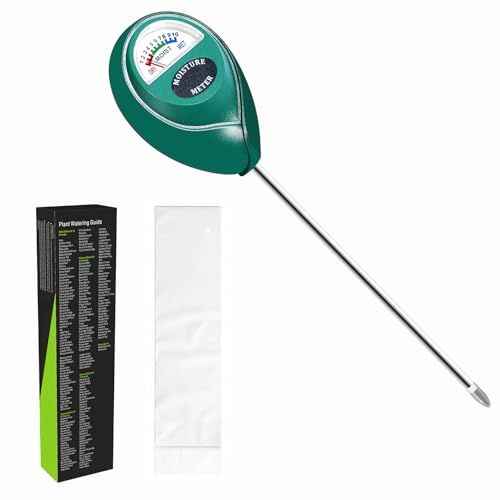
Trusted Since 2015: Become one of the many plant lovers who rely on the proven accuracy of XLUX. Established in 2015, our soil moisture meter has earned over 60,000+ verified ratings for its consistent performance. While many many newer brands come and go, we provide the long-term reliability and quality that American households have trusted for over a decade.

Accurate Soil Moisture Detection: The XLUX Soil Moisture Meter can tell you if the soil deep inside your pot or garden is dry, moist or wet; whereas your eyes and fingers can only determine the moisture level of the soil surface. The probe is 5.5 inches (14 cm) longer than regular styles, allowing it to measure the soil moisture at the bottom of larger and deeper flower pots.

【4 in 1 function】This is a 4-in-1 multifunctional soil tester.Our soil tester fastly to measure soil moisture, pH, temperature and sunlight to help you take better care of flowers and plants.You can know when you need to water your soil by measuring moisture and pH & Temperature value of the soil and sunlight level of plants with it.
Watering Tips
- Water at the base of the plants to avoid wetting the foliage.
- Check soil moisture before watering; cucumbers prefer slightly moist soil.
- Fertilize with a balanced fertilizer once plants start to develop.
- Avoid over-fertilizing to prevent burning the plants.
Important Data
| Fact | Data |
|---|---|
| Optimal pH Level | 6.0-6.8 |
| Watering Frequency | 1-2 times per week |
| Fertilizing Frequency | Every 3-4 weeks during growing season |
Preventing Common Cucumber Pests and Diseases
Growing healthy cucumbers requires vigilance against common pests and diseases. Here are some key strategies to protect your cucumber plants:
- Inspect Your Plants Regularly: Check for signs of pests like aphids or spider mites. Early detection is crucial.
- Practice Crop Rotation: Rotate where you plant your cucumbers each year to reduce the risk of soil-borne diseases.
- Maintain Weed-Free Beds: Weeds can harbor pests and diseases that affect your cucumber plants.
- Use Floating Row Covers: These covers can shield your plants from pests while still allowing sunlight and water to reach them.
- Opt for Disease-Resistant Varieties: Some cucumber varieties are naturally more resistant to common diseases. Consider these when planting.
- Avoid Overcrowding: Provide ample space between plants to improve air circulation, reducing the likelihood of disease spread.
Remember, early intervention is vital in managing pests and diseases that can harm your cucumber crop. Stay proactive and protect your plants for a bountiful harvest.
Harvesting and Enjoying Your Cucumbers
Once your cucumbers are ready to be harvested, you’ll want to make sure you do it at the right time to enjoy them at their best.
- Timing is key: Harvest your cucumbers when they reach the ideal size for the variety you planted. Check daily as cucumbers can grow quickly.
- Handle with care: Gently twist the cucumber off the vine rather than pulling to avoid damage to the plant.
- Keep ’em cool: Store freshly harvested cucumbers in the refrigerator to maintain their freshness.
- Enjoy the fruits of your labor: Cucumbers are versatile – slice them in salads, make pickles, or enjoy them on their own as a healthy snack.
Conclusion
You’ve learned valuable tips for growing top-quality cucumbers. By staying vigilant against pests and diseases, rotating crops, and choosing disease-resistant varieties, you set yourself up for success. Remember, early action is key! When it’s time to harvest, ensure you pick your cucumbers at the right moment for the best taste. Enjoy the fruits of your labor by incorporating fresh cucumbers into your meals, whether in salads or as crunchy pickles. Keep applying these strategies, and you’ll be on your way to a bountiful cucumber harvest every season. Happy growing!
Frequently Asked Questions
How can I prevent cucumber pests and diseases?
Regular plant inspections, crop rotation, and choosing disease-resistant cucumber varieties are key preventive strategies. Early intervention is crucial to tackle any issues promptly.
What is the best way to harvest cucumbers for optimal flavor?
Timing is essential when harvesting cucumbers. Gently twist the cucumbers off the vine to prevent damage. Store them in the refrigerator to maintain freshness and savor them in dishes like salads or pickles.
