

Have you ever planted a garden, only to find your precious tomato plants mysteriously disappearing overnight? Picture this: you wake up one morning, excited to see your tomatoes thriving, but instead, you’re met with half-eaten leaves and toppled stems. The likely culprit? Groundhogs. These furry garden intruders have a notorious appetite for fresh greens, including beloved tomato plants.
Key Takeaways
- Groundhogs, also known as woodchucks, are herbivores with a diverse diet that includes vegetation like grasses, clover, fruits, and vegetables such as lettuce and beans.
- When groundhogs invade gardens, they target tender plant shoots and leaves easily accessible to them, potentially causing significant damage to crops if not prevented.
- To protect tomato plants from groundhog damage, consider implementing strategies such as installing fences, using repellents with strong odors or tastes, placing physical barriers around plants, and companion planting with herbs or flowers that repel groundhogs naturally.
- Understanding the factors influencing groundhogs’ dietary choices can help in minimizing the risk of these animals targeting tomato plants when other food sources are limited.
Understanding Groundhog Behavior and Diet
Groundhogs, also known as woodchucks, are herbivores with a diet primarily consisting of vegetation. Understanding their behavior and dietary preferences can help you protect your tomato plants from these hungry visitors.
Recommended Products

【New generation Plant Support Cage】Different from other tomato trellis, LOMNYIY tomato support cage have the newest plug-in connection, and unique double-layer metal tube built-in interface design to stay together tighter and more stable. And the poles are very hard with a metal core, yet are coated entirely in plastic to keep them from rusting, and the heat dissipation is good. It means strong durable performance can hold up in the wind with heavy tomato plants in them.

ADJUSTABLE SIZE:This tomato cage can be seamlessly adjusted to reinforce existing plant supports or extend vertical growing space for your plants. From delicate seedling stage to full harvest season, this plant support cage fully meets the needs of healthy and upright growth for your plants

Heavy Duty Tomato Cage: The package includes 3 pack tomato cages, with solid alloy steel core and thick plastic coating, which provide strong and stable structures for the growth of your tomatoes, cucumbers or other crops.
What Do Groundhogs Typically Eat?
Groundhogs have a voracious appetite for various plants commonly found in gardens. They feed on grasses, clover, alfalfa, fruits like berries, and vegetables such as lettuce and beans. Unfortunately for gardeners, they also enjoy munching on tomato plants when given the opportunity.
How Groundhogs Interact With Gardens
When groundhogs venture into gardens, they tend to target tender plant shoots and leaves that are easily accessible. Their feeding habits can lead to significant damage to crops if left unchecked. To deter groundhogs from feasting on your tomato plants, consider installing barriers or fences around your garden beds to prevent their access.
Will Groundhogs Eat Tomato Plants?
Groundhogs, also known as woodchucks, have a diverse diet that includes vegetation such as grasses, clover, fruits, and vegetables like lettuce and beans. When these herbivores invade gardens, they can cause significant damage by targeting tender plant shoots. If you’re wondering whether groundhogs will eat your tomato plants, here’s what you need to know.
Recommended Products

High-quality material: Our tomato twist stake trellis is made of high-quality steel wire with coating on the surface, smooth to the touch, and not easy to rust after long-term use. Sturdy steel wire is not easy to break and bend, enough to provide stable support for plants
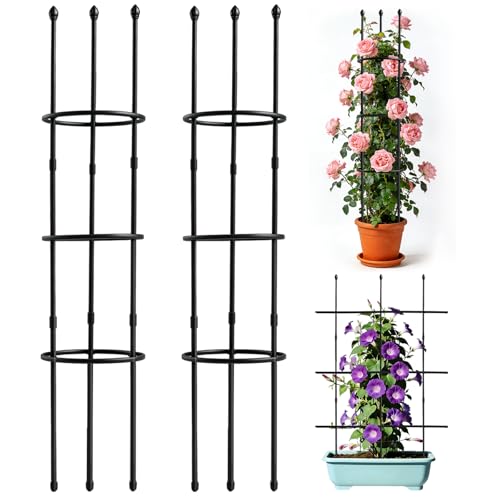
【Two Installation Methods】Our garden trellis can be configured into two types of plant trellis (panel stands and plant cages). You can also combine two or more panels together to form a larger plant stand panel or plant cage. Adjustable plant supports can meet your different plant support needs.

2X Thicker Than Standard Cages – 6mm Steel Tubes for Ultimate Strength: Forget wobbly plastic, rotting wood, and those 3mm wire cages that crumple under pressure. Our heavy-duty tomato cage is forged from 6mm-thick galvanized steel—twice the thickness of typical supports. It stands tall through storms, carries heavy fruit like a champ, and gives your plants the rock-solid confidence they deserve
Factors Influencing Groundhogs’ Diet Choices
Groundhogs’ dietary preferences are influenced by various factors. These animals typically prefer succulent plants with high moisture content. However, their diet may vary based on availability and seasonality. While groundhogs primarily feed on grasses and legumes, they may also consume certain garden crops like tomatoes if other food sources are limited.
Protecting Tomato Plants From Groundhogs
To safeguard your tomato plants from hungry groundhogs, consider implementing the following strategies:
- Fencing: Install a sturdy fence around your garden area to deter groundhogs from accessing your tomato plants. Ensure the fence extends below the ground to prevent burrowing.
- Repellents: Use natural or commercial repellents designed to deter groundhogs. These can include substances with strong odors or tastes that make the plants less appealing to these animals.
- Barriers: Place physical barriers such as wire mesh or row covers around individual tomato plants to prevent groundhog access while still allowing sunlight and water penetration.
- Companion Planting: Cultivate aromatic herbs or flowers near your tomato plants that repel groundhogs naturally. Examples include marigolds or garlic chives.
By understanding what influences groundhog dietary choices and taking proactive steps to protect your tomato plants, you can minimize the risk of these furry intruders wreaking havoc in your garden.
Preventive Measures and Solutions
To protect your tomato plants from groundhogs, consider the following preventive measures and solutions:
Recommended Products

PRODUCT DIMENSION : Each decorative garden fence is 13 inches long and 17 inches high, with a fence pole clearance of 2.16 inches, a total of 10 Pack of fences, with a total length of about 10ft. It can effectively prevent small animals from digging the fence to enter or leave the garden.

PRODUCT DIMENSION :Each decorative garden fence panel measures 13 inches (L) × 17 inches (H) with a 1.6-inch gap between wires. A set of 25 panels covers a total length of approximately 27 feet, effectively preventing small animals from digging under or escaping through the barrier.

UPGRADED REINFORCED AND ENCRYPTED EDGES WITH ROPES: Quick installation with tangle-free setup, securely fastening to the ground or posts for enhanced protection. The 5/8” square mesh effectively restricts animal movement, providing safety for your garden, poultry, and pets
Physical Barriers and Fencing
Install sturdy fences around your garden to deter groundhogs. Opt for barriers at least 3 feet high and bury them 1-2 feet deep to prevent burrowing. Mesh wire fences or electric fencing can be effective deterrents.
Natural Repellents and Deterrents
Utilize natural repellents like garlic, pepper sprays, or predator urine around your tomato plants to discourage groundhog activity. Planting marigolds, daffodils, or alliums can also help repel these pests due to their strong scents.
By implementing physical barriers and using natural repellents strategically, you can safeguard your tomato plants from groundhog damage effectively.
Case Studies and Experiences
Gardeners’ Battles With Groundhogs
Groundhogs can be relentless when it comes to devouring tomato plants. You’re not alone in this struggle as many gardeners have faced the same issue. Some have shared their experiences of finding half-eaten tomatoes or entire plants decimated by these voracious rodents.
Effective Strategies That Worked
When dealing with groundhog invasions, effective strategies can make all the difference in protecting your tomato plants. Here are some tactics that have proven successful for many gardeners:
- Fencing: Installing sturdy fences at least 3 feet high and burying them 1-2 feet deep can act as a physical barrier, deterring groundhogs from reaching your precious tomato plants.
- Repellents: Natural repellents like garlic or pepper sprays can be potent deterrents for groundhogs. Additionally, planting marigolds or daffodils around your tomato plants can help keep these pests at bay.
- Companion Planting: Consider planting herbs or flowers alongside your tomatoes. Certain plant varieties act as natural repellents to groundhogs, creating a protective shield around your crops.
By implementing these practical strategies based on real-life experiences, you can safeguard your tomato plants from the relentless appetites of groundhogs.
Conclusion
Protecting your tomato plants from groundhog munching can be a challenging yet manageable task. By understanding the behavior of these herbivores and implementing effective strategies like fencing, repellents, and companion planting, you can safeguard your precious crops. Real-life experiences shared by fellow gardeners show that these tactics are not just theoretical but practical solutions to keep those pesky groundhogs at bay. With a mix of patience, creativity, and perseverance, you can enjoy a thriving tomato harvest without falling victim to the appetites of these furry intruders. So next time you spot a groundhog eyeing your tomatoes, remember that with the right tools and knowledge, you have the power to protect your plants and savor the fruits of your labor.
Frequently Asked Questions
What is the main challenge faced by gardeners in the article?
Gardeners face frustration when groundhogs destroy tomato plants due to their herbivorous diet.
How can gardeners protect their tomato plants from groundhog damage?
Gardeners can use strategies like fencing, repellents, and companion planting with herbs or flowers.
What influences the varied diet of groundhogs mentioned in the article?
Groundhog diets are influenced by factors such as availability and seasonality.
What new information does the article provide regarding protecting tomato plants?
The article includes case studies and experiences emphasizing effective strategies like fencing, natural repellents, and companion planting.
