

Ever wondered why your tomato plants are sprouting mysterious white spots? Picture this: you’ve been diligently caring for your garden, only to find these puzzling marks on your prized tomatoes. What could be causing this unexpected issue?
Key Takeaways
- White spots on tomato plants can be caused by powdery mildew, sunscald, whiteflies, leaf damage, fruit discoloration, and plant growth abnormalities.
- Environmental conditions like humidity levels and air circulation play a significant role in the development of white spots.
- Pest-related issues such as whiteflies can also contribute to the formation of white spots on tomato plants.
- Cultural practices like proper ventilation, monitoring humidity levels, removing infected leaves promptly, mulching appropriately, using neem oil spray or baking soda solution, and copper fungicides can help prevent and treat white spots effectively.
Identifying White Spots on Tomato Plants
When dealing with white spots on your tomato plants, it’s essential to understand the common causes behind this issue. By recognizing the physical symptoms and their variations, you can effectively address the problem and ensure the health of your plants.
Recommended Products
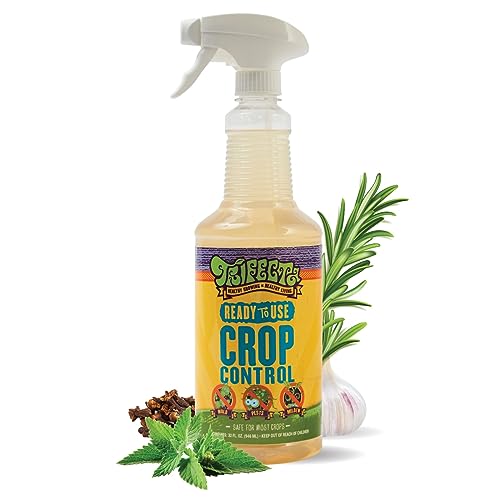
CROP, GARDEN & HOUSEPLANT INSECT CONTROL. Trifecta Crop Control all-natural, plant-based formula effectively combats destructive spider mites, aphids, whiteflies, fungus gnats, and other soft-bodied pests on indoor and outdoor plants. Our biodegradable, eco-friendly solution is safe for use on edible crops, without chemical residues. Our gentle yet potent plant spray suffocates and dehydrates pests without harming beneficial insects or the environment, making it ideal for organic gardening.

TREATS AND CONTROLS PLANT DISEASE - Maintain the health of your plants with Earth’s Ally fungicide spray. Tackle common plant diseases including powdery mildew, downy mildew, blight, canker, black spot and leaf spot. Also functions as a complete fungicide, giving your plants all-in-one disease protection.

🌿 Controls Common Fungal & Bacterial Diseases Defend your plants from powdery mildew, botrytis, anthracnose, and more. Works on contact to stop foliar plant diseases before they spread.
Common Causes of White Spots
- Powdery Mildew: One prevalent cause of white spots on tomato plants is powdery mildew, a fungal disease that thrives in warm, humid conditions. It appears as powdery white patches on leaves and stems.
- Sunscald: Another reason for white spots could be sunscald, which occurs when intense sunlight burns the plant tissues, leading to whitish or pale areas on the fruits or leaves.
- Whiteflies: Infestations of whiteflies can also result in white spots on tomato plants. These tiny insects feed on plant sap, causing stippling or discoloration that manifests as white spots.
- Leaf Damage: White spots may initially appear as small dots or patches on the leaves before spreading across the foliage. Monitor the progression of these spots to identify any changes in size or texture.
- Fruit Discoloration: In some cases, white spots may develop directly on the fruit surface due to various factors like nutrient deficiencies or environmental stressors. Check for any unusual markings or discoloration affecting the tomatoes.
- Plant Growth Abnormalities: Keep an eye out for stunted growth or wilting in affected areas of the plant, as these symptoms could indicate underlying issues contributing to the development of white spots.
By familiarizing yourself with these common causes and physical symptoms associated with white spots on tomato plants, you’ll be better equipped to take proactive measures to protect your garden from potential damage and ensure healthy growth for your tomatoes.
Factors Contributing to White Spot Formation
In your quest to understand why your tomato plants have white spots, it’s essential to consider the factors that contribute to this issue. By exploring the environmental conditions and pest-related issues affecting your plants, you can gain valuable insights into addressing and preventing white spot formation effectively.
Recommended Products
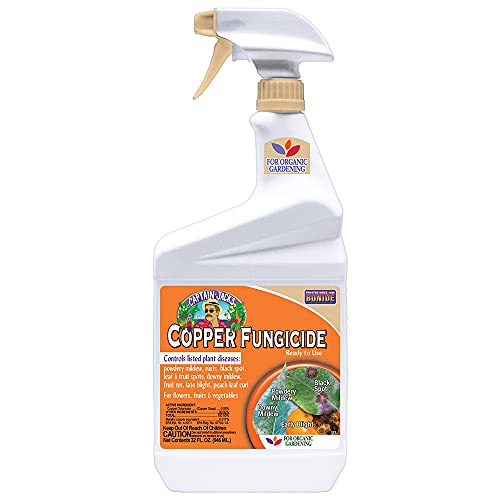
Control fungus and disease in your garden with Captain Jack’s ready-to-use Liquid Copper Fungicide!

Control plant common plant diseases in your home garden with Copper Fungicide Spray or Dust from Bonide!

Control fungus and disease in your garden with Captain Jack’s Liquid Copper Fungicide Concentrate!
Environmental Conditions
When it comes to white spots on your tomato plants, environmental conditions play a significant role. Factors such as humidity levels, temperature fluctuations, and air circulation can create an environment conducive to the development of fungal diseases like powdery mildew. This common culprit manifests as powdery white spots on leaves and stems, compromising the health of your plants.
To mitigate the impact of environmental conditions on white spot formation, ensure proper ventilation in your garden or growing area. Consider spacing out your tomato plants adequately to promote airflow and reduce excess moisture around the foliage. Additionally, monitoring humidity levels and providing consistent watering practices can help maintain optimal growing conditions and minimize the risk of fungal infections leading to unsightly white spots.
Pest-Related Issues
Another critical aspect to examine when dealing with white spots on tomato plants is pest-related issues. Pests such as whiteflies can cause damage by feeding on plant sap, leading to discoloration and weakening of the foliage. Their presence may result in small white or yellow spots on leaves, indicating their destructive impact on plant health.
To combat pest-related problems contributing to white spot formation, implement integrated pest management strategies. Regularly inspect your tomato plants for signs of infestation and promptly address any pest issues using natural predators or targeted treatments. By maintaining a vigilant approach towards pest control, you can safeguard your tomato plants from further damage caused by these troublesome insects.
By delving into both environmental conditions and pest-related factors influencing white spot formation on tomato plants, you equip yourself with valuable knowledge to protect your garden greenery effectively. Stay proactive in monitoring these aspects and implementing preventive measures to ensure robust plant growth free from unsightly blemishes caused by white spots.
Preventative Measures and Treatments
To prevent white spots on your tomato plants, you can implement various cultural practices and effective treatment options. By following these strategies, you can maintain the health of your plants and ensure a blemish-free harvest.
Recommended Products

Protect your oasis with Captain Jack’s Neem Max Ready-to-Use Spray; this multipurpose product acts as a 4-in-1 insecticide, fungicide, miticide and nematicide

Protect your oasis with 3 garden products in 1 from Captain Jack’s; Captain Jack’s Ready-to-Use Neem Oil spray for plants is a multi-purpose fungicide, insecticide and miticide for your lawn and garden

3-IN-1 GARDEN CARE SPRAY - Earth’s Ally 3-in-1 Plant Spray is a ready-to-use botanical oil spray designed for indoor and outdoor plant care. The houseplant pest spray effectively kills and controls soft-bodied insects and common plant diseases with a synergistic blend of essential oils.
Cultural Practices to Prevent White Spots
- Proper Ventilation: Ensure adequate air circulation around your tomato plants by spacing them appropriately. This helps reduce humidity levels, minimizing the risk of fungal diseases like powdery mildew that cause white spots.
- Monitor Humidity Levels: Regularly check the humidity in your garden or greenhouse. High humidity creates a favorable environment for fungal growth, so it’s essential to keep levels in check to prevent white spot formation.
- Remove Infected Leaves Promptly: If you notice any leaves with white spots, remove them immediately to prevent the spread of disease to other parts of the plant.
- Mulch Appropriately: Use mulch around your tomato plants to regulate soil temperature and moisture levels. This can help prevent stress on the plants that may lead to susceptibility to diseases causing white spots.
- Neem Oil Spray: Neem oil is a natural fungicide that can help control fungal diseases like powdery mildew on tomato plants. Dilute neem oil as per instructions and spray it on affected areas for effective treatment.
- Baking Soda Solution: A mixture of baking soda and water can act as a preventive measure against powdery mildew, which causes white spots on leaves. Spray this solution on your tomato plants every few weeks during humid conditions.
- Copper Fungicides: Copper-based fungicides are effective in treating fungal infections like early blight, which manifests as white spots on leaves. Follow the instructions carefully when applying copper fungicides to avoid plant damage.
By incorporating these preventative measures and treatment options into your gardening routine, you can proactively protect your tomato plants from developing unsightly white spots and promote their overall well-being.
Conclusion
By understanding the causes of white spots on your tomato plants and implementing preventive measures like proper ventilation, monitoring humidity levels, and using natural treatments such as neem oil spray and baking soda solutions, you can safeguard your plants against these pesky issues. Remember to stay vigilant in removing infected leaves promptly and consider incorporating mulch for added protection. With these strategies in place, you’ll be well-equipped to maintain healthy tomato plants that thrive throughout the growing season. Happy gardening!
Frequently Asked Questions
What causes white spots on tomato plants?
White spots on tomato plants can be caused by issues like powdery mildew, sunscald, and whiteflies. These problems are often triggered by environmental factors and pests.
How can I prevent white spots on my tomato plants?
To prevent white spots on tomato plants, ensure proper ventilation, monitor humidity levels, promptly remove infected leaves, use mulch to reduce soil splash, apply neem oil spray or a baking soda solution, and consider using copper fungicides.
What treatments are effective for addressing white spots on tomato plants?
Effective treatments for white spots on tomato plants include neem oil spray, a baking soda solution (1 tablespoon of baking soda per gallon of water), and copper fungicides. Apply these treatments as recommended to combat the issue effectively.
