

Ever found your once-vibrant tomato plant looking droopy and sad? You’re not alone. Picture this: you’ve lovingly tended to your tomato plant, eagerly anticipating a bountiful harvest, only to be met with wilted leaves and a sense of confusion. What could have caused this sudden change in your plant’s health?
Key Takeaways
- Recognize visual symptoms of wilting in tomato plants such as yellowing or drooping leaves.
- Monitor behavioral changes like reduced growth rate and increased susceptibility to pests for early intervention.
- Address common causes of wilting like inadequate watering, pest infestations, and diseases promptly.
- Implement preventive measures including proper watering techniques, pest control strategies, and disease prevention methods.
- Learn from case studies on tomato plant recovery by adjusting watering schedules, using natural predators for pest control, and practicing diligent sanitation.
Identifying the Signs of Wilting in Tomato Plants
When it comes to your tomato plants, recognizing the signs of wilting early can help you address any issues promptly. Here’s how to spot the visual symptoms and behavioral changes in your plant:
Recommended Products

🫙 Elegant Mason Jar Hydroponic Garden: This countertop garden uses a simple wick hydroponic system inside a classic mason jar to deliver water and nutrients directly to the plant roots.

✔ Grow 8 Delicious Tomato Varieties! 🍅🌱 This tomato starter kit includes eight heirloom tomato and tomatillo varieties, perfect for growing fresh, juicy tomatoes at home. Enjoy a mix of cherry, slicing, paste, and tomatillo varieties—all from one kit!

Package contains 18 tomato fertilizer spikes and are produced to avoid wasteful runoff, mess, hazards and smells
Visual Symptoms
Look out for these visual cues that indicate your tomato plant may be wilting:
- Yellowing or browning of leaves: If you notice discoloration on the leaves, especially at the edges or tips, it could be a sign of wilting.
- Drooping or curling leaves: Leaves that appear limp, droopy, or curled instead of being taut and upright may suggest wilting.
- Wilted appearance despite watering: Even after watering your plant adequately, if it continues to look dehydrated and wilted, there might be an underlying issue causing wilting.
Behavioral Changes in the Plant
In addition to visual signs, observe these behavioral changes in your tomato plant:
- Reduced growth rate: A noticeable slowdown in growth compared to before could indicate that the plant is struggling with wilting.
- Delayed fruit production: If your tomato plant is taking longer than usual to produce fruits or flowers are dropping prematurely, it might be a result of wilting stress.
- Increased susceptibility to pests and diseases: Wilting plants are often more vulnerable to pest infestations and diseases due to weakened defenses.
By staying vigilant and monitoring both visual symptoms and behavioral changes in your tomato plants, you can take proactive steps to address any wilting issues promptly.
Common Causes of Tomato Plant Wilting
If you’re wondering why your tomato plant is wilting, several factors could be at play. Identifying the root cause is crucial to revive your plants and ensure a healthy harvest.
Recommended Products

READY-TO-USE CONTACT SPRAY: No mixing required. Thoroughly spray insecticide on all plant parts, including the underside of leaves. Pests must be sprayed directly to achieve control
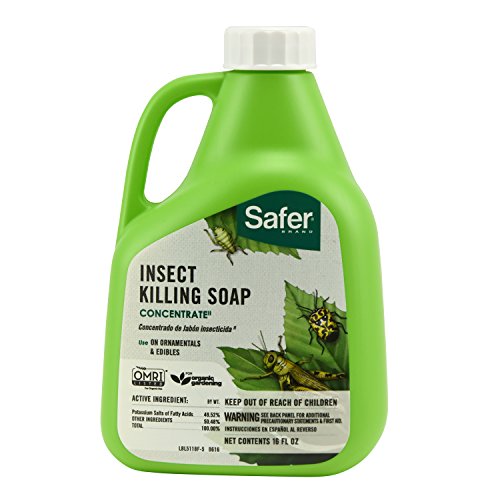
GENTLE ON MOST PLANTS - This aphid spray is ideal for use on flowers, herbs, vegetables, houseplants, lawn, tree, shrubs, and more
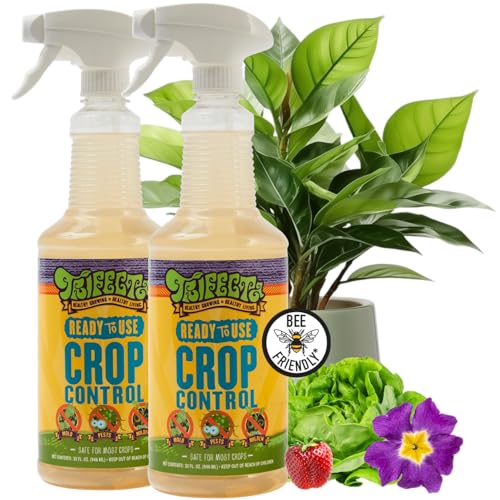
CROP, GARDEN & HOUSEPLANT INSECT CONTROL. Trifecta Crop Control plant based formula targets spider mites, aphids, whiteflies, fungus gnats and other soft bodied pests on indoor and outdoor plants. Safe for edible crops and biodegradable.
Inadequate Watering
Under-watering or overwatering can both lead to tomato plant wilting. It’s essential to maintain consistent moisture levels in the soil. Check the soil regularly by inserting your finger about an inch deep – if it feels dry, it’s time to water. Ensure proper drainage to prevent waterlogging that can suffocate the roots.
Pest Infestations
Pests like aphids, spider mites, or whiteflies can weaken your tomato plants, causing them to wilt. Inspect the leaves and stems for any signs of pest infestation such as holes, webs, or sticky residue. Introduce natural predators like ladybugs or use organic insecticidal soap to control pests effectively.
Diseases Affecting Tomato Plants
Fungal diseases like Fusarium wilt or bacterial infections such as bacterial canker can cause tomato plants to wilt rapidly. Look out for yellowing leaves, stunted growth, or dark lesions on stems. To prevent disease spread, practice crop rotation yearly and avoid overhead watering which can splash pathogens onto the plant foliage.
By addressing these common causes promptly and taking preventive measures, you can help your tomato plants thrive and enjoy a bountiful harvest.
Preventive Measures and Solutions
When it comes to preventing your tomato plant from wilting, there are several key strategies you can implement. By following these preventive measures and solutions, you can ensure the health and vitality of your plants.
Recommended Products
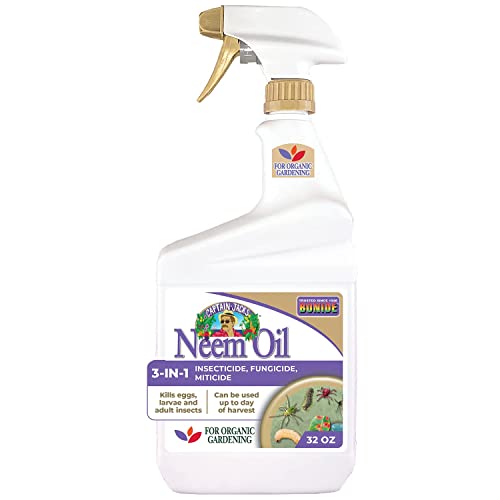
Protect your oasis with 3 garden products in 1 from Captain Jack’s; Bonide Captain Jack’s Ready-to-Use Neem Oil spray for plants is a multi-purpose fungicide, insecticide and miticide for your lawn & garden

FUNGAL DISEASE CONTROL: Prevents and controls black spot on roses, powdery mildew, rust, downy mildew, and other listed fungal diseases when applied on a 7–14 day schedule

Protect your oasis with Captain Jack’s Neem Max Ready-to-Use Spray; this multipurpose product acts as a 4-in-1 insecticide, fungicide, miticide and nematicide
Proper Watering Techniques
To avoid wilting due to improper watering, make sure you water your tomato plants consistently. It’s essential to maintain even soil moisture levels throughout the growing season. Here’s how you can do it:
- Watering Schedule: Establish a regular watering schedule based on the weather conditions in your area.
- Water at Base: Water at the base of the plant to deliver moisture directly to the roots.
- Mulching: Apply mulch around the base of the plant to retain soil moisture and prevent water evaporation.
Pest Control Strategies
Pests like aphids and spider mites can wreak havoc on your tomato plants, leading to wilting and stunted growth. Implement these pest control strategies to keep them at bay:
- Inspect Regularly: Check your plants frequently for any signs of pest infestation.
- Natural Predators: Encourage natural predators like ladybugs that feed on harmful pests.
- Neem Oil Spray: Use neem oil spray as a natural insecticide to deter common garden pests.
Disease Prevention and Management
Diseases such as Fusarium wilt and bacterial canker can cause tomato plants to wilt rapidly. Protect your plants with these disease prevention techniques:
- Crop Rotation: Rotate crops annually to reduce the risk of soil-borne diseases.
- Sanitation Practices: Keep your garden clean by removing any infected plant debris promptly.
- Fungicidal Sprays: Apply fungicidal sprays preventatively to protect against fungal diseases.
Case Studies of Tomato Plant Recovery
When your tomato plant wilts, it can be disheartening. However, there are ways to revive it and nurse it back to health. Here are some real-life examples of successful tomato plant recovery that can inspire you:
Implementing Proper Watering Techniques
- Case Study 1: One gardener noticed their tomato plants wilting due to underwatering. By establishing a consistent watering schedule and ensuring the plants received adequate moisture at the base, the tomatoes rebounded within a week.
Pest Control Strategies in Action
- Case Study 2: Another gardener found aphids infesting their tomato plants, causing them to wilt. After implementing regular pest inspections and introducing ladybugs to prey on the aphids naturally, the plants showed signs of recovery in just a few days.
- Case Study 3: A grower identified Fusarium wilt affecting their tomato crop. Through diligent sanitation practices, such as removing infected leaves and using fungicidal sprays as a preventive measure, the plants gradually regained vigor over several weeks.
By learning from these case studies and applying similar strategies tailored to your tomato plant’s specific needs, you can increase the chances of successfully reviving your wilting tomatoes.
Conclusion
Now that you’re equipped with insights into why your tomato plants may be wilting, remember to stay vigilant for early signs of distress. Regularly checking soil moisture levels, inspecting for pests, and implementing preventive measures can go a long way in keeping your plants healthy. By learning from successful recovery stories and adapting strategies to suit your plant’s specific needs, you’ll have a better chance at reviving those droopy tomatoes. Remember, a little care and attention can make all the difference in bringing life back to your garden. Happy gardening!
Frequently Asked Questions
Why do my tomato plants wilt despite proper care?
Tomato plants can wilt due to inadequate watering, pest infestations, or diseases like Fusarium wilt and bacterial canker.
How can I prevent my tomato plants from wilting?
Regularly check soil moisture levels, inspect for pests, practice crop rotation, use proper watering techniques, attract natural predators, and apply neem oil spray for pest control.
Can wilted tomato plants be revived?
Yes, by following proper watering schedules, conducting pest inspections, introducing natural predators like ladybugs, practicing sanitation measures, and using fungicidal sprays against diseases like Fusarium wilt.
