

Ever wondered why your tomato plants aren’t thriving as expected? Picture this: you’ve diligently cared for your tomato seedlings, yet they seem to struggle in their current location. You might be left pondering, “Where should tomato plants be planted for optimal growth?”
Key Takeaways
- Tomato plants require 6-8 hours of direct sunlight daily for optimal growth
- Plant tomatoes in well-draining, nutrient-rich soil to promote root development and overall plant health
- Consider planting tomato plants in outdoor gardens with good soil drainage or in raised beds/containers with high-quality potting mix
- Ensure tomato plants are placed away from trees or large plants to prevent competition for nutrients and water
- Transplant tomato seedlings after the last frost date, ensuring soil temperature is consistently above 60°F (15°C) for successful growth
Understanding Tomato Plant Requirements
To ensure your tomato plants thrive, it’s crucial to understand their specific requirements. Let’s explore the key factors that influence the successful growth of tomato plants.
Recommended Products

PREMIUM INGREDIENTS: This specifically crafted organic compost blend provides a lightweight potting mix that supports abundant growth of tomatoes and vegetables.

Miracle-Gro Expand 'n Gro Concentrated Planting Mix expands up to 3X when combined with water

100% Natural Compost for Plants - Compost is a nutrient-rich, soil-like substance made from blending yard trimmings and plant residue, such as leaves and grass clippings. Together, they’re composted to make a growing medium that’s part fertilizer, part soil amendment. When mixed with garden soil, compost helps loosen soil, holds onto moisture, and provides essential nutrients for plants.
Climate Needs
Tomato plants are sun-loving and require ample sunlight to produce healthy fruits. Ideally, they need at least 6-8 hours of direct sunlight daily. In cooler climates, consider planting them in a location that receives maximum sun exposure throughout the day to promote optimal growth.
Soil Preferences
When it comes to soil, tomato plants prefer well-draining, nutrient-rich soil. A loamy soil type with good aeration is ideal for promoting root development and overall plant health. Consider amending the soil with organic matter such as compost or aged manure to provide essential nutrients for robust growth.
By understanding and meeting these basic requirements of climate and soil for your tomato plants, you can set them up for success and enjoy a bountiful harvest.
Best Locations for Planting Tomato Plants
When choosing the best locations for planting tomato plants, consider outdoor gardens, raised beds, and containers to optimize growth conditions.
Recommended Products

Package includes 36 pcs tomato cage connectors. Length: 11.8 Inch with 2 Buckles. Specifically crafted for the 7/16" (11mm) plant stakes.

- Support & Guide plants : Our garden flower support can hold plants upright and growing normally, guiding their stems to the right position, preventing vines from spreading and protecting the plants from strong winds, heavy rain and snow. create well ordered borders and keep pathways open, add aesthetic appeal.

1. Package Include:You will get 12 pcs plant support stakes, size measure 6.25"W X 9.8"H.Sufficient quantities to meet your needs
Outdoor Gardens
In outdoor gardens, select spots that receive at least 6-8 hours of sunlight daily. Ensure the soil is well-draining and rich in nutrients to support healthy tomato plant development. Avoid areas prone to waterlogging as excess moisture can lead to root rot.
Raised Beds and Containers
For raised beds or containers, place them in sunny locations similar to outdoor gardens. Use high-quality potting mix with good drainage properties to promote robust root systems. Remember to provide adequate support like stakes or cages for tomato plants in containers or raised beds to prevent bending or breaking under the weight of fruit.
Factors Influencing Tomato Plant Location
When deciding where to plant your tomato plants, consider the following factors for optimal growth and yield.
Recommended Products

[VARIATY SHAPE & SIZE STRUCTURE]: You can build 6pcs triangular tomato cage up to 48inch high by the set. Snap-on arms design also makes it possible to create in different heights squares, hexagons or garden trellis depending on the size of plants, to fit garden beds, raised beds, or plant pot, perfect for maximizing growing space and help your plant grow vertically
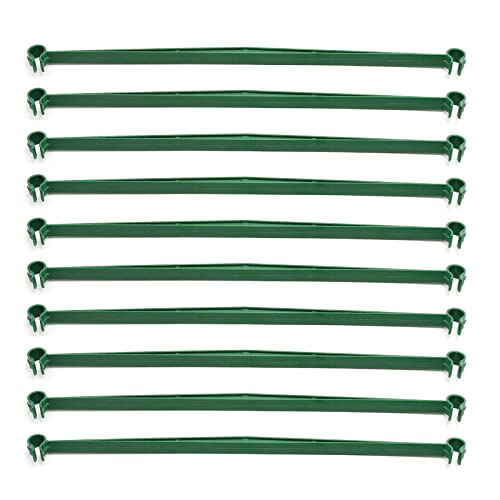
Expandable Stake Arms: Tomato cage connectors support clips are made of sturdy plastic material, strong and lightweight

Plant Support Stakes: Set of 6pcs plant supports, 15.8" High x 10"Wide (Please Double Check the Measurement Before Purchasing), ideal peony cages and supports, tomato cage, monstera plant support, hydrangea stakes, also great plant stakes for indoor plants, outdoor plants, flowers, lily, rose, daisy, orchid, and pepper, leafy plants, bushy plants, etc.
Sunlight and Shade
Ensure your tomato plants receive at least 6-8 hours of direct sunlight daily. Choose a spot with ample sunlight exposure throughout the day for healthy plant development. Insufficient sunlight can lead to leggy growth and lower fruit production.
Proximity to Other Plants
Plant your tomatoes away from trees or large plants that may compete for nutrients and water. Maintaining a distance of about 2-3 feet between tomato plants allows for proper air circulation, reducing the risk of diseases like blight. Avoid overcrowding to promote better growth and easier maintenance.
When to Plant Tomatoes
To ensure successful growth, it’s crucial to plant your tomato seedlings at the right time. In most regions, you should aim to transplant your tomatoes into the garden after the last frost date has passed. This typically falls in late spring or early summer, depending on your location.
Here are some key considerations for determining when to plant your tomatoes:
- Frost Date: Wait until all danger of frost has passed before planting tomatoes outdoors. Frost can damage or kill young tomato plants, so it’s essential to wait for warmer weather.
- Soil Temperature: Tomatoes thrive in warm soil. Ideally, the soil temperature should be consistently above 60°F (15°C) before transplanting seedlings into the ground.
- Weather Conditions: Choose a period with stable weather conditions for planting your tomatoes. Avoid extreme temperatures or heavy rainfall that could stress the young plants.
- Growing Season Length: Consider the length of your growing season when deciding when to plant tomatoes. Ensure that you have ample time before fall frosts set in for your tomatoes to mature and ripen fully.
By following these guidelines and timing your tomato planting correctly, you give your plants the best chance at healthy growth and a bountiful harvest.
Conclusion
Now that you understand the key factors for planting tomato plants – sunlight, soil drainage, and timing – you’re ready to create the ideal growing environment. By transplanting seedlings post-last frost, ensuring warm soil temperatures, and considering weather conditions and your region’s growing season length, you set the stage for a bountiful harvest. Remember, choosing the right spot can make all the difference in nurturing healthy tomato plants. Happy planting!
Frequently Asked Questions
When should I plant my tomato seedlings?
Plant your tomato seedlings after the last frost date when soil temperatures are consistently above 60°F. Choose stable weather conditions and consider the length of the growing season for optimal growth and harvest.
What factors should I consider when selecting a location for my tomato plants?
Select a location with ample sunlight, good soil drainage, and proximity to other plants for cross-pollination. Ensure the area is well-ventilated to prevent diseases and pests.
How can choosing the right planting time impact my tomato plants?
Choosing the right planting time ensures that your tomato plants have favorable conditions for growth, reducing stress and increasing their chances of developing into healthy, productive plants.
