

Have you ever spotted a lush green plant floating on a pond and wondered what it is? Water lettuce, with its broad, leafy rosettes, is not just a pretty sight; it plays a vital role in aquatic ecosystems. Understanding where this fascinating plant thrives can help you appreciate the beauty of nature and its importance.
Key Takeaways
- Water Lettuce Habitat: Water lettuce thrives in warm, nutrient-rich freshwater bodies such as ponds, lakes, marshes, and swamps, primarily in tropical regions.
- Geographic Distribution: This plant is predominantly found in the southeastern United States (Florida, Texas, Louisiana), as well as in parts of Central and South America (Brazil, Colombia), and regions in Africa and Asia.
- Ecological Importance: Water lettuce plays a vital role in local ecosystems by providing habitat for various aquatic organisms, controlling algae growth, and improving water quality through natural filtration.
- Cultivation Requirements: To cultivate water lettuce successfully, provide warm temperatures (70°F to 90°F), shallow nutrient-rich waters, and ensure ample sunlight while managing growth space due to its rapid reproduction.
- Management and Monitoring: Regularly monitor water lettuce populations to prevent overgrowth and potential invasiveness. Collaborate with local organizations for responsible management practices.
- Awareness and Education: Promote understanding of water lettuce’s ecological roles and encourage responsible gardening to protect local aquatic ecosystems.
Overview of Water Lettuce
Water lettuce (Pistia stratiotes) thrives in warm, tropical regions around the world. It commonly inhabits slow-moving freshwater bodies such as ponds, lakes, marshes, and swamps. You can spot water lettuce floating on the water’s surface, forming lush green colonies due to its ability to reproduce rapidly.
Recommended Products

LIVE PLANTS: Package includes 5 fresh water plants with vibrant green leaves and buoyant bulbs for immediate pond use

You get 1 Water Lettuce 3-5" in diameter ready to float on your pond
IMPORTANT: Please note that during times of extreme weather, live plants will suffer due to extreme temperatures. During winter, do not order live plants when temperatures are expected to go below 20F at the lowest point during the day. During summer, avoid ordering plants when temperatures are above 100F.
Habitat Characteristics
- Temperature: Water lettuce prefers temperatures between 70°F and 90°F (21°C to 32°C). It flourishes in sunlight, although it can tolerate partial shade.
- Water Quality: This plant grows best in nutrient-rich waters, often thriving in areas with high nitrogen and phosphorus levels from organic matter and fertilizers.
Distribution
You’ll find water lettuce in various parts of the world, including:
- North America: Primarily in the southeastern United States, especially in Florida, Texas, and Louisiana.
- Central and South America: It’s widespread in tropical regions, found in countries like Brazil and Colombia.
- Africa and Asia: Water lettuce also grows in parts of Africa and Asia, often in natural wetlands and irrigation systems.
Examples of Ecosystems
Water lettuce plays an essential role in local ecosystems. In places like the Florida Everglades, it provides habitat for fish, insects, and birds. Additionally, it aids in controlling algae growth by filtering pollutants from the water, promoting a healthier aquatic environment.
Water lettuce’s presence enhances biodiversity and improves water quality, making it a valuable plant for both natural and managed aquatic systems.
Natural Habitat of Water Lettuce
Water lettuce thrives in warm, tropical climates, primarily in slow-moving freshwater bodies. Its natural habitat includes environments where nutrient-rich waters promote healthy growth.
Geographic Distribution
Water lettuce is commonly found in the southeastern United States, particularly in states like Florida and Louisiana. It extends its reach to parts of Central and South America, including countries like Brazil and Colombia. Its presence also spans across Africa and Asia, adapting to various freshwater ecosystems.
Ecosystems Supporting Water Lettuce
Water lettuce flourishes in ponds, lakes, marshes, and swamps. These ecosystems provide essential characteristics that support its growth:
- Nutrient-Rich Waters: Water lettuce prefers waters rich in nutrients, which boost its growth and overall health.
- Slow-Moving Water: Stagnant or slow-moving bodies of water allow the plant to establish itself and spread without heavy currents disrupting its growth.
- Sheltered Areas: Shaded environments protect water lettuce from strong sunlight, making areas like the edges of water bodies ideal for its growth.
Understanding these habitats highlights the ecological significance of water lettuce in maintaining clean and biodiverse aquatic environments.
Cultivation of Water Lettuce
Water lettuce thrives in specific conditions that support its growth and health. Understanding these conditions can help you cultivate this plant effectively in your garden or aquatic space.
Preferred Conditions
Water lettuce favors warm temperatures between 70°F and 90°F. It grows best in nutrient-rich waters with a neutral to slightly acidic pH level, typically around 6.5 to 7.5. The plant prefers shallow water areas with plenty of sunlight, as it promotes optimal photosynthesis. Additionally, slow-moving or still waters enhance its growth, providing necessary shelter from strong currents. Covering the roots with a thin layer of soil can further boost nutrient uptake. When reproducing, ensure there’s enough space, as water lettuce can spread quickly through offsets.
Common Locations
You can find water lettuce in various locations across warm climates. It’s commonly seen in the southeastern United States, particularly in Florida and Louisiana. In Central and South America, look for it in Brazil and Colombia. Natural habitats include ponds, lakes, marshes, and swamps. These areas often feature lush vegetation and slow-moving water, creating an ideal environment. When establishing water lettuce, consider local ecosystems, ensuring that your cultivation efforts harmonize with existing wildlife.
Ecological Impact
Water lettuce (Pistia stratiotes) significantly influences local ecosystems. It provides essential habitat for aquatic organisms, including fish, amphibians, and invertebrates. Its broad leaves create shelter and breeding areas, improving overall biodiversity.
Water lettuce helps control algae growth by filtering pollutants and excess nutrients from the water. This natural filtration enhances water quality and promotes a balanced ecosystem. When water lettuce grows in abundance, it can effectively reduce nitrogen and phosphorus levels, preventing harmful algal blooms.
In slow-moving waters, water lettuce forms dense mats. These mats can impact light penetration, affecting submerged plant growth and aquatic organisms. Maintaining a balance is crucial; while water lettuce offers many benefits, overgrowth can lead to decreased oxygen levels in the water.
In addition to its ecological roles, consider the implications of introducing water lettuce to new habitats. In areas outside its native range, it can become invasive, outcompeting local flora. Monitoring its spread ensures that water lettuce supports rather than harms local ecosystems.
- Regular Monitoring: Keep an eye on water lettuce in your local water bodies. Look for signs of overgrowth that could disrupt the ecosystem.
- Control Measures: If water lettuce becomes invasive, consider physical removal or working with local environmental organizations to manage its spread.
- Educate Others: Share information about water lettuce’s ecological roles. Encourage responsible gardening and aquatic planting practices to protect local ecosystems.
Recommended Products
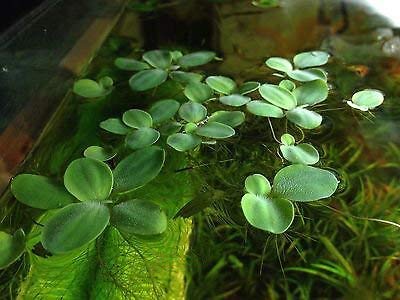
12 Dwarf Water Lettuce, Pistia stratiotes, Live Aquarium/Floating/Aquatic Plant

You will recieve 100+ leaves dwarf water lettuce grown in my personal home fish tanks with the utmost care!

12+ LEAVES: You will receive plants with a combined total of 12 leaves or more (see 2nd pic for approximate size)
Conclusion
Water lettuce is more than just a pretty plant floating on the surface of ponds and lakes. Its presence in various ecosystems highlights the delicate balance of nature and the importance of preserving these habitats. By understanding where water lettuce thrives you can appreciate its role in promoting biodiversity and enhancing water quality.
Whether you’re exploring the waterways of Florida or admiring the beauty of a serene marsh in South America remember that every plant has a story. So next time you see water lettuce take a moment to reflect on its significance in the aquatic world. Your awareness can make a difference in protecting these vital ecosystems for future generations.
Frequently Asked Questions
What is water lettuce?
Water lettuce (Pistia stratiotes) is an aquatic plant known for its broad, leafy rosettes. It thrives in warm, nutrient-rich freshwater environments like ponds and lakes, playing a vital role in local ecosystems by providing habitat and improving water quality.
Where does water lettuce grow?
Water lettuce primarily grows in warm, tropical regions, particularly in southeastern North America (like Florida and Louisiana) and parts of Central and South America, as well as in Africa and Asia.
What conditions does water lettuce need to thrive?
Water lettuce flourishes in temperatures between 70°F and 90°F, in shallow, slow-moving freshwater with nutrient-rich sediment and a pH level between 6.5 and 7.5. It requires ample sunlight and space for optimal growth.
How does water lettuce impact the ecosystem?
Water lettuce enhances biodiversity by providing habitat and shelter for various aquatic species, such as fish and amphibians. It helps control algae growth by filtering pollutants, leading to improved water quality and a healthier ecosystem.
Can water lettuce become invasive?
Yes, water lettuce can become invasive in slow-moving waters, forming dense mats that block light and oxygen. This can disrupt local ecosystems, so monitoring and management practices, like physical removal, are essential to prevent overgrowth.
How can I cultivate water lettuce responsibly?
To cultivate water lettuce, mimic its natural habitat by providing warm temperatures, shallow water, and nutrient-rich soil. Ensure that cultivation supports local wildlife and doesn’t disrupt existing ecosystems by educating yourself on responsible gardening practices.
