

Are you eager to enjoy fresh, crisp lettuce straight from your garden? Timing is everything when it comes to planting this versatile leafy green. Whether you’re a seasoned gardener or just starting out, knowing when to plant can make all the difference in your harvest.
Key Takeaways
- Optimal Planting Seasons: Plant lettuce in early spring or late summer for the best results; spring offers prime planting opportunities 2-4 weeks before the last frost, while fall allows for planting 6-8 weeks before the first frost.
- Types of Lettuce: Different varieties, such as Butterhead, Romaine, Leaf, and Crisphead lettuce, require specific planting times and climate conditions, so choose according to your local environment.
- Ideal Growing Conditions: Lettuce thrives in temperatures between 60°F and 65°F, requires full sunlight for at least six hours, and prefers well-draining soil with a pH of 6.0-6.8.
- Watering Techniques: Maintain consistent moisture in the soil by watering every 2-3 days, ensuring water reaches deep into the soil to encourage robust root development.
- Pest Management Strategies: Regularly inspect for pests and utilize organic solutions like insecticidal soap, alongside companion planting, to protect your lettuce and ensure healthy growth.
Understanding Lettuce Growing Seasons
Lettuce thrives in specific growing conditions, making season timing crucial for a successful crop. Recognizing different types of lettuce and understanding the ideal climate conditions will help maximize your yield.
Types of Lettuce
Lettuce comes in various types, each with unique growing seasons:
- Butterhead Lettuce: This variety flourishes in cooler weather. Plant it in early spring or late summer for fall harvests.
- Romaine Lettuce: A robust type, romaine performs well in spring and fall. It withstands slightly warmer temperatures than butterhead.
- Leaf Lettuce: Leaf types mature quickly, so plant them for successive harvests throughout the growing season, starting in early spring.
- Crisphead Lettuce: Known for its tight heads, crisphead lettuce grows best in the cooler months, like spring and fall.
Ideal Climate Conditions
Lettuce prefers specific climate conditions that can significantly impact growth:
- Temperature: Ideal temperatures for lettuce range between 60°F and 65°F. Temperatures above 75°F can cause bitterness and bolting.
- Sunlight: Lettuce needs full sun for at least six hours daily. If you live in a hotter climate, partial shade during peak sun hours can help.
- Soil: Well-draining soil, rich in organic matter, works best for lettuce. Aim for a pH level between 6.0 and 6.8 for optimal growth.
- Watering: Lettuce requires consistent moisture. Water regularly, ensuring the soil remains damp but not soggy.
By understanding the types of lettuce and their ideal growing conditions, you can successfully time your planting for a bountiful harvest.
When to Plant Lettuce
Timing matters when planting lettuce. Knowing when to start can lead to a thriving crop and delicious salads. Each planting season presents unique opportunities.
Recommended Products

EASIER SEED STARTING: Our Burpee SuperSeed tray with 36 flexible pop-out cells is designed to simplify indoor seed starting for all your favorite vegetables, flowers and herbs. Just add seed starting mix, seeds, water and light to get growing! Rows are labeled alphanumerically for seedling identification with included Plant-o-Gram diagram. Tray dimensions: 11.5" x 10-3/8" x 2-1/4"

FIVE FLAVORFUL VARIETIES FOR A COMPLETE SALAD GARDEN SOLUTION. This lettuce seed pack includes black seeded simpson, red romaine, bibb, buttercrunch, and iceberg. Perfect for salads, wraps, smoothies, and toppings with fresh, homegrown flavors year-round.

COMPLETE VARIETY PACK: Eight popular lettuce seeds including Buttercrunch, Romaine, Iceberg, Bibb, Red Oakleaf, Prizehead, plus Kale and Spinach; Perfect lettuce seeds for planting outdoors or in hydroponic systems
Spring Planting
Spring is prime time for lettuce planting. Start sowing seeds outdoors about 2-4 weeks before the last expected frost. Choose varieties like Leaf and Romaine for faster yields.
Tip: Soil temperatures should hover between 45°F and 65°F for optimal germination. Use raised beds for better drainage if your soil stays cold. You can also start seeds indoors 4-6 weeks prior, then transplant them outdoors.
Example: If you live in a region with a last frost date around April 15, aim to plant outdoor seeds between late March and early April.
Fall Planting
Fall offers another excellent window for planting lettuce. Sow seeds 6-8 weeks before the first frost. Cool temperatures can enhance flavors and reduce bitterness.
Tip: Frost-resistant varieties, such as Butterhead and Crisphead, do well in this season. Plant in a location with partial shade to maintain soil moisture and control temperature.
Example: In areas where the first frost occurs around November 1, planting can begin in early September. You might also consider using row covers to protect young plants from unexpected temperature drops.
Planting Techniques
Understanding the right planting techniques helps ensure a successful lettuce crop. Here are two effective methods for growing your lettuce.
Seed Starting Indoors
Starting seeds indoors provides control over the growing environment and extends the growing season.
- Select Your Seeds: Choose varieties suited for your climate and preferences, like Butterhead or Romaine.
- Prepare Seed-Starting Trays: Use seed trays with drainage holes. Fill them with high-quality seed-starting mix.
- Sow Seeds: Plant seeds about ¼ inch deep, spacing them as per the seed package instructions.
- Provide Optimal Conditions: Keep the trays in a warm location (around 70°F) with plenty of light. A south-facing window or grow light suits well.
- Maintain Moisture: Water gently to keep the soil moist but not soaked. Use a spray bottle for even moisture distribution.
- Thin Seedlings: Once seedlings develop their first true leaves, thin them to prevent overcrowding.
Transplant seedlings outdoors when they reach 3–4 inches tall and after hardening them off for a week by gradually exposing them to outdoor conditions.
Direct Sowing Outdoors
Direct sowing lets you plant seeds straight into the garden bed, making it a straightforward process.
- Prepare the Soil: Choose a sunny spot with well-drained soil, mixing in compost for nutrients. Aim for a pH of 6.0-7.0.
- Create Furrows: Use a hoe or rake to create shallow furrows spaced about 12 inches apart.
- Sow Seeds: Scatter seeds evenly, covering them with about ½ inch of soil. Avoid overcrowding to ensure proper air circulation.
- Water Gently: Use a fine mist or light stream to water the area without washing away the seeds.
- Monitor Growth: Keep the soil consistently moist. Check for weeds and thin seedlings once they emerge to prevent competition.
Direct sowing suits cooler spring temperatures, making it ideal for varieties like Leaf lettuce. Timing and conditions significantly affect your results, so always consider local climate nuances.
Care and Maintenance
Caring for lettuce involves specific practices to ensure healthy growth and a bountiful harvest. Key areas of focus include watering requirements and pest management.
Recommended Products
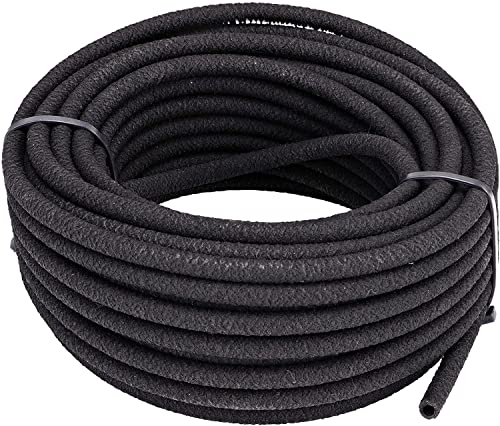
Slowly waters the soil around your plants for complete root zone hydration; Ideal for short runs on flat surfaces, such as vegetable gardens, borders, and around small plants

80% WATER SAVINGS – MIXC soaker hose is engineered to deliver 0.75 gallons per hour per 15 ft. at 25 PSI, using up to 80% less water than traditional sprinklers while ensuring deep soil penetration. This soaker hose is ideal for raised garden beds, vegetable rows, flower borders, potted plants,container gardens, greenhouse benches, and landscape furrows up to 12 inches wide

What You Get: you will receive 1 roll of garden soaker hose irrigation system, measuring about 100 ft in length, outside diameter is about 0.25 inch, internal diameter is about 0.16 inch, connects to most 1/2 inch, 5/8 inch and 0.71 inch, enough to meet your watering needs
Watering Requirements
Watering lettuce correctly is essential for optimal growth. Lettuce prefers consistent moisture, so ensuring the soil remains damp is crucial.
- Frequency: Water your lettuce every 2-3 days, adjusting based on weather conditions. Hot, dry days might require more frequent watering.
- Depth: Provide enough water to reach at least 6-12 inches deep into the soil. This depth encourages deep root growth.
- Method: Use drip irrigation or soaker hoses to apply water directly to the soil, minimizing moisture on the leaves. This approach helps prevent diseases like powdery mildew.
You can check the soil moisture by sticking your finger about an inch into the soil. If it feels dry, it’s time to water. Be cautious not to overwater, as soggy soil can lead to root rot.
Pest Management
Pest management is vital for healthy lettuce development. Common pests include aphids, slugs, and caterpillars.
- Inspection: Check your plants regularly for signs of pests. Look for distorted leaves, visible insects, or droppings on the soil.
- Organic Solutions: Use insecticidal soap or neem oil for treating insect infestations. Apply these solutions in the early morning or late afternoon to avoid leaf burn.
- Trap Slugs: Set out shallow trays filled with beer to attract and trap slugs. This method helps reduce their population without harmful chemicals.
- Companion Planting: Grow plants like marigold or garlic alongside your lettuce. These plants repel common pests and improve overall garden health.
Monitoring for pests and implementing these strategies can help protect your lettuce plants and ensure a successful harvest.
Conclusion
Growing lettuce can be a rewarding experience that brings fresh flavors to your table. By understanding the right planting times and caring for your plants properly you can enjoy a plentiful harvest. Remember to keep an eye on the weather and adjust your planting schedule accordingly.
With the right techniques and a little patience you’ll be well on your way to cultivating delicious lettuce varieties. So grab your seeds and start planning your garden. Happy planting!
Frequently Asked Questions
What is the best time to plant lettuce?
Plant lettuce in spring 2-4 weeks before the last expected frost. For fall planting, sow seeds 6-8 weeks before the first frost. This timing helps ensure optimal growth and flavor.
What types of lettuce should I consider for my garden?
Consider Butterhead, Romaine, Leaf, and Crisphead lettuce. Each variety has unique planting times and climate preferences that can affect their growth and yield.
How can I ensure my lettuce grows successfully?
Maintain soil temperatures between 45°F and 65°F, water regularly to keep the soil moist, and provide sufficient sunlight. Additionally, choose frost-resistant varieties and protect young plants from extreme temperatures.
What are effective methods for starting lettuce seeds?
You can start seeds indoors about 4-6 weeks before transplanting or direct sow outdoor seeds in cool spring conditions. Ensure the right depth and moisture for successful germination and growth.
How often should I water my lettuce plants?
Water lettuce every 2-3 days to keep the soil consistently moist. Using drip irrigation or soaker hoses will help prevent moisture on the leaves and protect against diseases.
How can I manage pests in my lettuce garden?
Regularly inspect for common pests like aphids and slugs. Utilize organic pest control methods such as insecticidal soap or neem oil, and consider companion planting to deter pests naturally.
