

Are you eager to grow your own fresh salad greens? Planting loose leaf lettuce can be a rewarding experience, but timing is key. If you want to enjoy crisp, vibrant leaves, knowing when to plant is essential.
Imagine stepping into your garden and picking fresh lettuce for a delicious salad. It’s not just about taste; it’s about having control over what you eat. In this article, you’ll learn the best times to plant loose leaf lettuce, ensuring you get a bountiful harvest. With a little planning, you can enjoy homegrown greens all season long.
Key Takeaways
- Optimal Planting Times: Plant loose leaf lettuce in early spring (2-4 weeks before the last frost) and in late summer (6-8 weeks before the first frost) for the best harvest.
- Soil Preparation: Ensure well-draining soil enriched with compost and a pH between 6.0 and 7.0 to promote healthy growth.
- Seed Spacing: Space seeds 12 inches apart and thin seedlings to 4-6 inches apart for adequate leaf growth and airflow.
- Consistent Care: Maintain consistent watering and use a balanced organic fertilizer every 2-4 weeks to support healthy growth.
- Pest Management: Regularly check for pests like aphids and slugs, using organic methods for control to keep plants healthy.
- Timing and Techniques for Harvest: Start harvesting outer leaves once they reach 4-6 inches in height to encourage continuous growth and maintain freshness.
Understanding Loose Leaf Lettuce
Loose leaf lettuce is a versatile and easy-to-grow salad green that offers many benefits. You can harvest leaves individually, allowing for continuous growth throughout the season. This variety thrives in cooler temperatures, making it ideal for early spring and fall planting.
Types of Loose Leaf Lettuce
- Green Leaf Lettuce: Soft, tender texture with a mild flavor. Great for salads and sandwiches.
- Red Leaf Lettuce: Offers a slightly stronger flavor and beautiful color. Perfect for adding visual interest to salads.
- Butterhead Lettuce: Known for its buttery texture and sweet taste. Commonly used in wraps and fresh salads.
Each type adds variety to your meals and gardens, catering to different tastes and culinary needs.
Planting Loose Leaf Lettuce
- Timing: Plant loose leaf lettuce in early spring, about 2-4 weeks before the last frost. For a fall harvest, sow seeds in late summer, around 6-8 weeks before the first frost.
- Soil Preparation: Use well-draining soil enriched with compost. Aim for a soil pH between 6.0 and 7.0 to promote healthy growth.
- Spacing: Space seeds about 12 inches apart to allow for adequate leaf growth. Thinning seedlings to 4-6 inches apart can enhance air circulation and reduce disease risks.
Caring for Loose Leaf Lettuce
- Watering: Keep the soil consistently moist, especially during hot weather. Water in the morning to reduce evaporation and prevent disease.
- Fertilizing: Use a balanced fertilizer every 2-4 weeks to support growth. Organic options like fish emulsion or seaweed extracts work well.
- Pest Management: Watch for aphids and slugs. Use insecticidal soap or handpick pests for organic control.
- When to Harvest: Start picking outer leaves when they reach 4-6 inches tall. This promotes new growth and keeps your plant producing.
- How to Harvest: Use scissors to cut leaves, avoiding damage to the plant. Harvest in the morning for the best flavor and crispness.
By understanding these key aspects of loose leaf lettuce, you can maximize your growing experience and enjoy fresh greens throughout the season.
Ideal Planting Seasons
Timing plays a crucial role in planting loose leaf lettuce for a successful harvest. Understanding the ideal seasons helps maximize growth and flavor.
Recommended Products

Comprehensive Winter Protection for Your Garden: Our outdoor plant covers provide complete freeze protection for strawberries, vegetables, tomatoes, fruit trees, citrus plants, shrubs, and potted plants throughout the winter. This frost cloth plant freeze protection shields delicate plants from sudden temperature drops, frost, and strong winds, ensuring they survive harsh winter conditions. Ideal for those looking for frost blankets for outdoor plants and reliable plant freeze protection covers.

1. Fortify Your Garden Fortress: Say goodbye to pesky pests and unwanted critters! Our 4'x10' Plant Netting Pest Barrier acts as a sturdy shield, protecting your precious plants from insects, birds, and other garden invaders. It's like having a fortress around your garden beds, ensuring your plants thrive and flourish.

1. Defend Your Garden from Unwanted Pests: Gardening is a rewarding journey, but once your plants begin to bloom and bear fruit, pests can become a major threat. Our Ultra-Fine Garden Netting is the ideal solution to safeguard your crops, ensuring a healthy and thriving garden all season long.
Spring Planting
Spring planting offers the first opportunity for harvesting fresh greens. Aim to plant loose leaf lettuce when soil temperatures reach about 45°F to 55°F (7°C to 13°C). This typically occurs in early March to April in most regions.
- Choose the Right Date: Plant seeds two to four weeks before the last expected frost date.
- Prepare Your Soil: Ensure the soil is well-draining and enriched with compost for optimal growth.
- Spacing: Sow seeds about 1/4 inch deep and space them 4 to 6 inches apart to allow for ample leaf development.
Consider using row covers to protect young plants from unexpected cold snaps. Regularly water your lettuce to maintain moisture, especially as temperatures rise.
Fall Planting
Fall planting allows for a second chance to grow loose leaf lettuce. Ideal planting occurs in late summer, specifically from late July to early September.
- Select Dates Wisely: Aim to plant seeds 6 to 8 weeks before the first expected frost date to ensure mature growth.
- Soil Preparation: Similar to spring, prepare well-draining soil enriched with organic matter.
- Seed Spacing: Plant seeds at the same depth, maintaining a 4 to 6-inch spacing for robust foliage.
As temperatures cool, lettuce tends to develop sweeter, more flavorful leaves. Protect your fall crop with row covers as frost approaches, ensuring a continued supply of fresh greens well into autumn.
Factors Influencing Planting Time
Several factors affect when you should plant loose leaf lettuce. Understanding these elements helps you achieve a successful harvest.
Recommended Products

PRECISE SOIL TEMPERATURE READINGS: Measures soil temperatures from 20 degrees F to 180 degrees F (0 degrees C to 80 degrees C) with a large, easy-to-read analog dial face - no batteries or digital screens needed for reliable results every time

Easy-to-read green, yellow, and red tick marks for easy monitoring
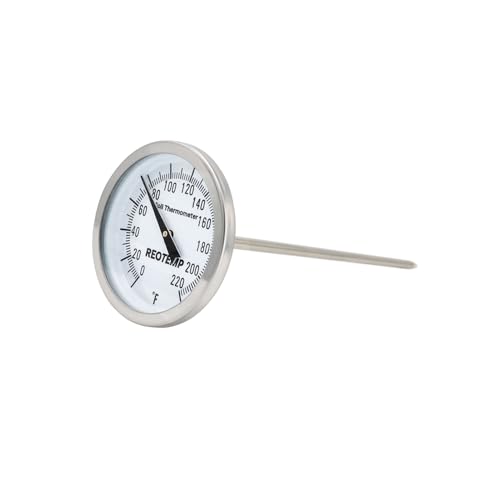
Corrosion Resistant 304 Stainless Steel Case, Bezel and 5" Stem
Climate Considerations
Climate plays a crucial role in determining your planting schedule. Loose leaf lettuce thrives in cool temperatures, typically between 60°F and 70°F. In regions with hot summers, it’s best to plant in early spring or late summer. For example, if you live in the southern U.S., start seeds indoors in late winter, then transfer them outside in early spring. In contrast, northern growers may begin planting directly outdoors in March, as nighttime temperatures remain cooler.
Soil Temperature
Soil temperature significantly impacts seed germination. Ideal soil temperatures for planting loose leaf lettuce range from 45°F to 55°F. You can measure this with a soil thermometer. For early spring planting, check the temperature a few days before your planned sowing date. If the soil is too cold, wait for a few sunny days to warm it up. Additionally, cover the area with black plastic a week in advance to help raise the temperature. This proactive approach ensures healthier seedlings and a stronger crop.
Tips for Successful Planting
Planting loose leaf lettuce successfully relies on a few key practices. Focus on site selection and proper seed preparation to promote healthy growth and a bountiful harvest.
Recommended Products

"Mesclun" comes from the Provençal French word meaning "mixture" — this style of mixed salad greens originated in the Nice region of France and became a staple of fine restaurants worldwide before becoming a home garden favorite.

Delicious lettuce great for salads.

Black Seeded Simpson is a classic heirloom loose leaf lettuce with large, tender green leaves and a mild, sweet flavor. Harvest fresh leaves for salads, sandwiches, wraps, and other homegrown meals.
Site Selection
Choose a site with full sun exposure for at least six hours daily. Well-draining soil is crucial to prevent waterlogging, which can lead to root rot. Look for soil rich in organic matter. If your soil lacks nutrients, use compost to enhance its quality.
Avoid areas where strong winds can damage seedlings. Opt for a sheltered spot or consider using windbreaks. If you garden in a region with harsh summers, select a location that provides some afternoon shade to protect young plants.
Seed Preparation
Prepare your seeds ahead of planting to improve germination success. Start by soaking seeds in water for 2 to 4 hours. This process helps soften the seed coat, making it easier for seedlings to emerge.
Use seed trays or biodegradable pots if you plan to start seeds indoors. Fill these containers with a quality seed-starting mix. Sow seeds about ¼ inch deep and keep them moist until they sprout.
Once seedlings develop two or three true leaves, thin them to avoid overcrowding—retain only the healthiest ones. If transplanting outdoors, harden off seedlings by gradually exposing them to outdoor conditions over a week. This step helps them adjust and reduces transplant shock.
By following these tips, your loose leaf lettuce planting will thrive, leading to delicious and abundant greens.
Common Mistakes to Avoid
Planting loose leaf lettuce can be straightforward, but common mistakes can lead to disappointing results. Avoid these pitfalls to enjoy a successful harvest.
Not Timing Planting Correctly
Planting too early or too late affects growth. Aim for early spring or late summer when temperatures are ideal. Consult local frost dates to time your planting accurately.
Ignoring Soil Preparation
Neglecting soil quality harms seed germination and plant health. Always prepare well-draining soil enriched with compost. Conduct a soil test to ensure proper pH levels and nutrient balance.
Overcrowding Seeds
Sowing seeds too closely leads to competition for resources. Space seeds 6 to 12 inches apart, depending on the variety. Thinning seedlings also encourages stronger growth.
Inconsistent Watering
Inconsistent watering stresses plants. Aim for regular moisture without saturation. Water deeply, allowing the soil to dry slightly between waterings.
Forgetting Pest Management
Ignoring pests can harm your lettuce crop. Regularly check for common pests like aphids and caterpillars. Consider organic pest management strategies, such as insecticidal soap or introducing beneficial insects.
Skipping Fertilization
Failing to fertilize can stunt growth. Use a balanced, organic fertilizer every 4 to 6 weeks during the growing season. Follow the product’s instructions for appropriate application rates.
Not Harvesting Regularly
Delaying harvest can lead to bitter leaves and decline in quality. Begin harvesting outer leaves once they reach about 6 inches long, and take regularly to promote new growth.
By avoiding these common mistakes, you can ensure a prosperous and flavorful crop of loose leaf lettuce throughout the growing season.
Conclusion
Growing loose leaf lettuce can be a delightful journey filled with fresh flavors and a sense of accomplishment. By planting at the right times and following the simple care tips, you’ll be well on your way to enjoying a continuous supply of crisp greens.
Remember to keep an eye on soil temperatures and choose the best planting windows for your area. With a little patience and attention, you’ll soon be harvesting your own homegrown lettuce that’s not just tasty but also a joy to share with family and friends. So get those seeds in the ground and watch your garden flourish!
Frequently Asked Questions
What is loose leaf lettuce, and why should I grow it?
Loose leaf lettuce is a versatile and easy-to-grow salad green that allows for continuous harvesting. It’s rich in nutrients and has unique flavors and textures, making it a healthy addition to your diet. Homegrown lettuce tastes better and gives you control over your food choices.
When should I plant loose leaf lettuce?
Plant loose leaf lettuce in early spring when soil temperatures reach 45°F to 55°F, typically from early March to April. For fall planting, sow seeds from late July to early September. Ensure to plant 6 to 8 weeks before the first expected frost.
How do I prepare the soil for growing lettuce?
Prepare well-draining soil enriched with compost to provide essential nutrients. Choose a site that receives full sun for at least six hours daily, ensuring the soil has adequate organic matter. Consider using black plastic to warm the soil before planting for healthier seedlings.
What care tips should I follow for successful lettuce growth?
Provide consistent watering, regular fertilization, and proper pest management. Water the plants to keep the soil moist but not soggy. Fertilize every few weeks using a balanced organic fertilizer, and monitor for pests to ensure a healthy crop.
How can I avoid common mistakes when growing lettuce?
Avoid planting at the wrong time, poor soil preparation, overcrowding seeds, and inconsistent watering. Also, remember to manage pests, fertilize regularly, and harvest often. By steering clear of these pitfalls, you can enjoy a bountiful lettuce crop.
When is the best time to harvest my lettuce?
Harvest loose leaf lettuce when the leaves are young, tender, and vibrant. Regular harvesting encourages more growth. To maximize your harvest, cut the outer leaves, allowing the inner leaves to continue growing for future harvests.
