

Are you eager to grow fresh lettuce in your garden but unsure when to plant it in zone 7? You’re not alone! Many gardeners face this challenge and want to make the most of their growing season.
Key Takeaways
- Understanding Zone 7: Zone 7 features moderate winters and warm summers, making it suitable for growing a variety of crops, including lettuce.
- Optimal Planting Times: For spring planting, sow lettuce seeds 2 to 4 weeks before the last frost (mid-March to early April). For fall, plant 6 to 8 weeks before the first frost (late July to early September).
- Soil and Temperature Requirements: Lettuce thrives in cooler temperatures between 50°F and 70°F, and prefers well-draining soil with a pH of 6.0 to 7.0.
- Watering and Mulching: Keep the soil consistently moist and apply mulch to retain moisture and regulate soil temperature, which is critical for healthy lettuce growth.
- Choosing the Right Varieties: Opt for Butterhead, Romaine, or Leaf lettuce varieties that adapt well to zone 7 for the best flavor and yield.
- Adjusting for Climate Factors: Monitor local temperatures and soil conditions to optimize your planting schedule and avoid heat stress, ensuring a successful harvest.
Understanding Zone 7
Zone 7 refers to a specific climate zone within the USDA Plant Hardiness Zone Map, characterized by moderate winters and warm summers. Gardening in this zone offers advantages for growing a variety of plants, including lettuce.
Climate Characteristics
- Temperatures: Winter lows range from 0°F to 10°F (-18°C to -12°C), while summer highs can reach 85°F to 90°F (29°C to 32°C).
- Frost Dates: Last frost typically occurs between April 1 and April 15, while the first frost happens around November 1 to November 15.
Ideal Conditions for Lettuce
Lettuce thrives in cooler temperatures, making your spring and fall seasons ideal for planting.
- Soil Temperature: Lettuce germinates best at soil temperatures between 45°F to 75°F (7°C to 24°C).
- Sun Exposure: It prefers full sun but can tolerate partial shade, especially during the heat of summer.
Planting Times
Timing your lettuce planting can enhance yield and flavor.
- Spring Planting: Plant lettuce 2 to 4 weeks before the last frost date. This typically places your planting window between mid-March and early April.
- Fall Planting: Consider planting again in late summer to early fall. Sow seeds 6 to 8 weeks before the first expected frost, usually between mid-August and late September.
- Soil Preparation: Use well-draining soil enriched with organic matter to promote healthy growth.
- Watering: Keep the soil consistently moist, especially during dry spells. Avoid waterlogging, which can lead to disease.
- Mulching: Apply mulch to regulate soil temperature and retain moisture.
Understanding your zone’s climate helps you effectively plan for lettuce cultivation, optimizing your gardening efforts.
Ideal Planting Times for Lettuce
Planting times for lettuce in zone 7 can significantly impact its growth and flavor. By following optimal schedules, you maximize your crop’s yield.
Recommended Products
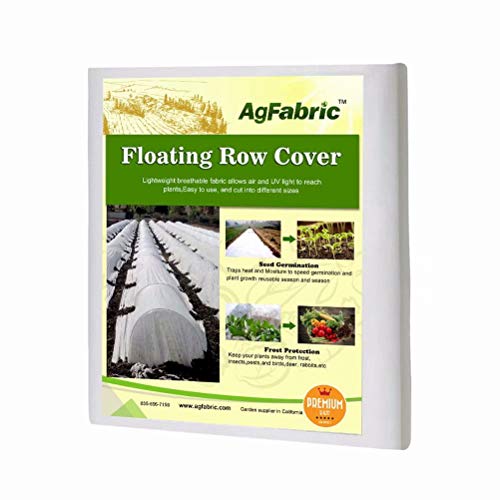
The plant row cover is made of 0.55oz/sq non-woven polypropylene fabric which is lightweight breathable and durable.It allows air and moisture to reach your vegetables and...
Spring Planting
For spring planting, aim for 2 to 4 weeks before the last frost date. In zone 7, this typically falls around mid to late March. For example, if the last frost date is April 15, plan to sow seeds between late March and early April. Consider starting seeds indoors 4 to 6 weeks before the last frost to get a jumpstart. Transplant seedlings outdoors when soil temperatures reach 60°F. Lettuce varieties like Butterhead or Romaine respond well to these conditions.
Fall Planting
For fall planting, target 6 to 8 weeks before the first expected frost. In zone 7, this means planting between late July and early August. If the first frost date is around mid-November, aim to plant by early September. You can continue growing until temperatures drop below 20°F. Use row covers to protect lettuce from early frosts, ensuring a longer harvest period. Varieties such as Leaf lettuce thrive in these conditions, providing hearty greens into the fall months.
Factors Affecting Planting Times
When planting lettuce in zone 7, several factors significantly influence timing. Understanding these factors helps ensure a successful harvest.
Recommended Products

NUTRIENT-RICH, NATURAL, AND ORGANIC SOIL: Grow a bountiful garden in your home with the Back to the Roots All-Purpose Natural and Organic Peat-Free 3-in-1 Seed Starting Mix, packed with the nutrients needed for your plants, flowers, and vegetables to thrive

CONTAINS: This organic Seed Stating soil mix is a rich blend of sphagnum peat moss & perlite with yucca extract and lime to ensure correct pH.

Miracle-Gro Indoor Potting Mix for Seed Starting grows stronger roots for seeding success (vs unfed when used as directed)
Temperature Considerations
Temperature plays a crucial role in lettuce growth. Lettuce thrives in cooler temperatures, specifically between 50°F and 70°F. You can plant lettuce 2 to 4 weeks before the last frost if nighttime temperatures remain above 32°F. For fall planting, timing is essential as soil temperatures need to cool down to around 60°F for optimal growth. Keep an eye on local weather forecasts and adjust your planting dates accordingly to avoid heat stress during warm spells.
Soil Conditions
Soil quality impacts the growth and yield of lettuce. Well-draining, loamy soil with a pH between 6.0 and 7.0 is ideal for lettuce. You should amend soil with organic matter, like compost, to improve fertility and drainage. Test your soil ahead of planting to ensure it provides the necessary nutrients. Mixing in a balanced fertilizer can also boost growth. Moisture levels also matter; consistent watering is essential for seed germination and seedling establishment.
Tips for Successful Lettuce Planting
Successful lettuce planting requires careful attention to variety selection and soil preparation. Your efforts will lead to a bountiful harvest.
Recommended Products

Vegetable seeds variety pack: Grow 35 varieties of leafy greens, root vegetables, tomatoes, peppers, beans, peas, squash, melons, and more. Includes 16,000+ vegetable seeds for planting outdoors in raised beds, garden rows, or containers.
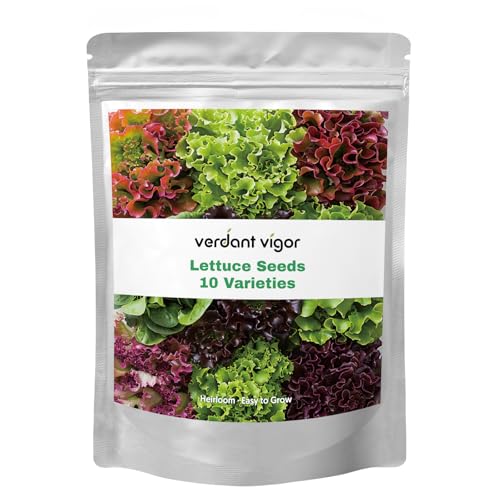
Healthy Food Source: Because of its tender flavor, lettuce is a popular vegetable for salad, sandwiches, wraps, soups, stir-fries and juice. There are over 20,000 seeds, 10 kinds of lettuce collection, including bibb, boston, iceberg, buttercrunch, grand rapids TBR, oakleaf, ruby leaf, cimmaron romaine and waldmann's

Choosing the Right Variety
Choose lettuce varieties that thrive in zone 7. Opt for Butterhead, Romaine, or Leaf lettuce for their adaptability. Butterhead offers a sweet, tender leaf, while Romaine provides a crisp, crunchy texture. Leaf lettuce grows quickly, making it perfect for successive planting. Check seed packets for maturity dates and select varieties that fit your planting schedule. If you want a continuous supply, plant a mix of these types to enjoy a variety of flavors throughout the season.
Preparing the Soil
Prepare your soil by emphasizing quality and nutrition. First, test your soil pH to ensure it falls between 6.0 and 7.0. This range promotes optimal growth. Amend the soil with organic matter, like compost or well-rotted manure, to enhance its structure and fertility. Aim for well-draining loamy soil, as it allows roots to grow freely. Tilling the soil improves aeration and water retention. Mix in organic matter thoroughly, and allow the soil to settle before planting. Consistent moisture is also critical; aim for soil that’s damp but not waterlogged.
Conclusion
Growing lettuce in zone 7 can be a rewarding experience with the right timing and care. By planting before the last frost in spring and considering a fall crop, you can enjoy fresh greens throughout the growing season. Remember to choose varieties that thrive in your climate and pay attention to soil health. With a little patience and the right techniques, you’ll be on your way to a bountiful lettuce harvest. Happy gardening!
Frequently Asked Questions
When should I plant lettuce in zone 7?
To plant lettuce in zone 7, sow seeds before the last frost in spring. Transplant seedlings once the soil temperature reaches 60°F. For fall planting, do it before the first expected frost.
What types of lettuce grow well in zone 7?
In zone 7, Butterhead, Romaine, and Leaf lettuce are excellent choices. These varieties adapt well to the climate and offer a range of flavors and textures.
How do I prepare the soil for planting lettuce?
Prepare the soil by testing its pH and amending it with organic matter to improve fertility. Ensure proper drainage to prevent waterlogging, which can harm the lettuce plants.
What is the importance of soil moisture for lettuce?
Consistent moisture is crucial for lettuce growth. Adequate watering helps the plants establish roots, prevents bitterness, and promotes healthy leaf development.
Can I use row covers for lettuce in the fall?
Yes, using row covers for fall-planted lettuce can help protect plants from frost and extend the growing season, providing a more stable environment for growth.
