

Are you eager to grow your own fresh lettuce but unsure when to get started in Zone 5? You’re not alone! Many gardeners face the challenge of timing their planting just right to enjoy a bountiful harvest.
Key Takeaways
- Understand Zone 5 Climate: Zone 5 has a temperate climate with a growing season of 140 to 160 days, crucial for timing your lettuce planting.
- Monitor Frost Dates: Average last frost dates in Zone 5 are typically between mid-April and late April; sow seeds indoors 4-6 weeks prior to this date.
- Soil Conditions Matter: Use well-draining soil with a pH between 6.0 and 7.0, enriching it with organic matter like compost for optimal growth.
- Spring and Fall Strategies: For spring, focus on fast-growing types like Butterhead, while for fall, select heat-resistant varieties to maximize your harvest.
- Consider Local Microclimates: Be aware of unique garden conditions, such as sun exposure and wind patterns, as they can significantly affect your lettuce growth.
- Check Soil Temperature: Aim for a soil temperature of at least 40°F for germination; monitor conditions and adjust your planting schedule accordingly.
Understanding Zone 5 Climate
Zone 5 features a temperate climate with distinct seasons. Average winter temperatures range from -10°F to -20°F (-23°C to -29°C). This zone experiences a frost-free growing season of about 140 to 160 days.
Temperature Variations
Temperature fluctuations during spring and fall can impact planting schedules. Daytime temperatures may reach the mid-60s°F (around 18°C) in early spring, while nighttime temperatures can drop to the 30s°F (approximately 1°C). You’ll want to monitor temperature changes closely, as they can prompt early growth or late freezes.
Frost Dates
Knowing the average last frost date is vital for planting lettuce. In Zone 5, this date typically falls between mid-April and late April. You should plan to start sowing seeds indoors 4 to 6 weeks before the last frost. Some gardeners may also choose to directly sow seeds outdoors as soon as the soil can be worked, usually around early to mid-April.
Soil Conditions
Healthy soil promotes strong lettuce growth. Aim for well-draining soil with a pH between 6.0 and 7.0. Before planting, consider adding organic matter, like compost, to enrich the soil. Testing the soil can help determine its nutrient levels and provide guidance on amendments needed.
Seasonal Considerations
You can grow different types of lettuce throughout the growing season. For a spring harvest, focus on quick-growing varieties, like loose-leaf and butterhead. For a fall harvest, opting for heat-resistant varieties allows you to plant in late summer and enjoy a longer growing season.
Local Microclimates
Each garden can feature microclimates, areas with slightly different conditions due to structures or landscape features. Recognizing these can help you pinpoint the best spots for planting. Pay attention to sun exposure and wind patterns, as they can significantly impact growth rates and heat retention.
By understanding the unique aspects of Zone 5’s climate, you can better plan when to plant your lettuce, ensuring a fruitful harvest.
Best Time to Plant Lettuce in Zone 5
Timing plays a crucial role in planting lettuce in Zone 5. You’ll want to pay attention to both spring and fall planting schedules to ensure a bountiful harvest.
Spring Planting Schedule
Start your lettuce seeds indoors about 4 to 6 weeks before the average last frost date, typically between mid-April and late April. This preparation allows your seedlings to establish strong roots before transferring them outdoors. Once the soil is workable, usually by early to mid-April, you can directly sow seeds in the garden.
Consider these tips for spring planting:
- Soil Temperature: Soil temperature should be at least 40°F for germination. Use a soil thermometer to check.
- Frost Protection: Use row covers if frost threatens newly sown seeds or young plants.
- Varieties: Choose fast-growing varieties like Butterhead or Romaine for an early spring harvest.
Fall Planting Schedule
Fall planting extends your lettuce-growing season. Sow seeds directly in the garden about 8 to 10 weeks before the average first frost date, which usually falls in October for Zone 5. This schedule allows lettuce to mature just before the colder temperatures set in.
Follow these guidelines for a successful fall planting:
- Choose Varieties: Select heat-resistant varieties like Leaf Lettuce or Little Gem to thrive in late summer heat.
- Timing: Track the first frost date in your area and plan planting accordingly.
- Cover: Use cloches or row covers to protect your lettuce as temperatures drop.
By adhering to these spring and fall schedules, you can maximize your lettuce harvest in Zone 5, enjoying fresh greens throughout multiple seasons.
Factors Influencing Planting Time
Several factors influence the best time to plant lettuce in Zone 5. Understanding these elements can help ensure a successful crop.
Recommended Products

PRECISE SOIL TEMPERATURE READINGS: Measures soil temperatures from 20 degrees F to 180 degrees F (0 degrees C to 80 degrees C) with a large, easy-to-read analog dial face - no batteries or digital screens needed for reliable results every time

Easy-to-read green, yellow, and red tick marks for easy monitoring
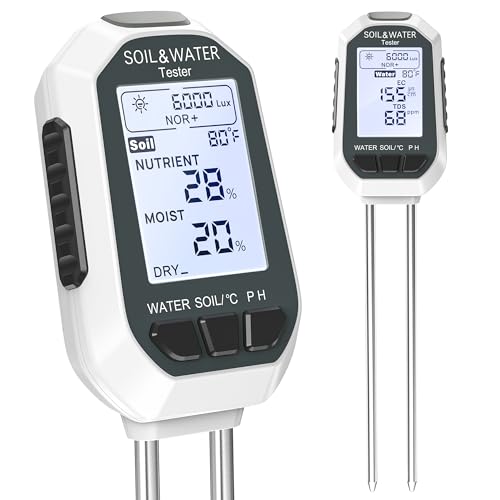
【7-in-1 Features】This is a 7-in-1 multi-function soil tester. Our soil tester quickly measures soil moisture, pH, temperature and light intensity, and its fertility function helps you take better care of your plants. With this device you can measure the soil moisture, pH, temperature and light intensity for your plants and with the EC and TDS functions you will know when it is time to water the soil.
Soil Temperature
Soil temperature significantly impacts seed germination. Lettuce seeds sprout best when soil temperatures range from 40°F to 75°F. To check soil temperature, use a soil thermometer placed in the garden bed. For spring planting, aim to sow seeds when the soil reaches at least 40°F. If the soil remains cold, wait a few days or cover it with black plastic to warm it up faster.
Frost Dates
Frost dates are crucial for planning your lettuce planting. In Zone 5, the average last frost date typically falls between mid-April and late April. Identify your local frost date using online gardening resources or local agricultural extensions. For spring planting, start seeds indoors 4 to 6 weeks prior, ensuring timely transplants once the frost risk subsides. For fall planting, know the first frost date in October, and sow seeds 8 to 10 weeks before this date. Adjust your planting schedule based on these frost dates for optimal growth.
Tips for Successful Lettuce Growth
Growing lettuce successfully involves strategic choices and proper techniques. Focus on the variety and soil preparation to ensure a healthy crop.
Recommended Products

4 Popular Heirloom Lettuce Varieties: Includes Red Romaine, Bibb Butterhead, Black Seeded Simpson, and Green Ice lettuce seeds to grow crisp, tender, and colorful salad greens with balanced flavor, texture, and visual appeal.

COMPLETE VARIETY PACK: Eight popular lettuce seeds including Buttercrunch, Romaine, Iceberg, Bibb, Red Oakleaf, Prizehead, plus Kale and Spinach; Perfect lettuce seeds for planting outdoors or in hydroponic systems
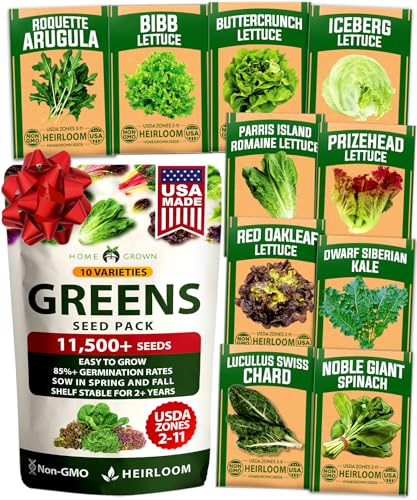
COMPLETE VARIETY PACK: Ten popular lettuce and leafy green varieties; Romaine lettuce seeds, Buttercrunch, Iceberg, Bibb, Red Oakleaf, Prizehead, Kale, Spinach and more; Perfect for organic salad gardens; High 95% germination rate
Choosing the Right Lettuce Varieties
Choose lettuce varieties suited for Zone 5’s climate. For spring planting, consider fast-growing options like Butterhead or Romaine. These types thrive in cooler temperatures. For fall planting, opt for heat-resistant varieties like Leaf Lettuce. These lettuces handle the warmer end of summer well, ensuring robust growth before the first frost. Always check local garden centers for varieties specifically recommended for your area.
Soil Preparation Techniques
Prepare your soil to create a rich environment for lettuce. First, test your soil’s pH, aiming for a level between 6.0 and 7.0. If it’s lower, amend it with lime; if higher, add sulfur. Next, improve soil drainage and nutrients by mixing in organic matter like compost. This addition enhances soil structure and provides essential nutrients. Before planting, rake the soil to break up clumps and remove rocks, creating a fine seedbed. Consider using black plastic or mulch once planted to retain moisture and regulate soil temperature, aiding in rapid germination.
Conclusion
Getting your lettuce planted at the right time in Zone 5 can make all the difference for a bountiful harvest. By keeping an eye on frost dates and soil temperatures you can ensure your seeds thrive. Remember to choose the right varieties for each season and prepare your soil properly for the best results.
With a little planning and attention to detail you’ll be enjoying fresh, homegrown lettuce in no time. Happy gardening and may your lettuce patch flourish!
Frequently Asked Questions
When is the best time to plant lettuce in Zone 5?
The best time to plant lettuce in Zone 5 is in early to mid-April, after the last frost date, which typically falls between mid-April and late April. Start seeds indoors 4 to 6 weeks before this date or sow directly outdoors when soil temperatures reach at least 40°F.
What soil conditions are ideal for growing lettuce?
Lettuce thrives in well-draining soil with a pH between 6.0 and 7.0. Adding organic matter like compost can enhance soil health, providing necessary nutrients for strong lettuce growth.
Can I plant lettuce in the fall?
Yes, you can plant lettuce in the fall. Sow seeds 8 to 10 weeks before the first frost date in October. Choose heat-resistant varieties, like Leaf Lettuce, for best results during the cooler months.
How do I know my soil temperature for planting?
To check your soil temperature, use a thermometer. For successful germination, the soil should be between 40°F and 75°F. If the soil is too cold, consider covering it with black plastic to warm it up.
What types of lettuce are best for spring?
Fast-growing varieties like Butterhead and Romaine are ideal for spring planting. They mature quickly and are well-suited for the temperate climate of Zone 5, allowing for an early harvest.
How can I protect my lettuce from frost?
To protect lettuce from frost, use row covers or lightweight fabric to insulate your plants during chilly nights. This helps maintain a warmer microclimate, promoting growth even in cooler temperatures.
