

Have you ever stared at your lettuce seedlings and wondered when the right time to plant them outside is? You’re not alone. Many gardeners face the same dilemma, eager to enjoy fresh greens but unsure of the best timing.
Key Takeaways
- Optimal Planting Temperature: Lettuce seedlings thrive in temperatures between 60°F and 65°F; ensure both daytime and nighttime temperatures are suitable before transplanting.
- Soil Preparation: Use well-drained, nutrient-rich soil with a pH of 6.0 to 6.8; amend with organic matter to enhance growth.
- Signs for Transplanting: Monitor soil temperature, aiming for at least 50°F, and avoid cold nights below 50°F to ensure successful growth.
- Spacing and Depth: Space seedlings 10 to 12 inches apart and plant them at the same depth as their nursery containers to prevent rot.
- Watering Practices: Water seedlings thoroughly after planting, providing about 1 inch of water per week, and utilize soaker hoses or drip irrigation for best results.
- Frost Awareness: Be aware of your area’s last frost date and avoid planting too early to protect seedlings from cold damage.
Understanding Lettuce Seedlings
Lettuce seedlings require specific conditions to thrive outside. Understanding their needs helps ensure a successful transition from indoors to your garden.
Types of Lettuce to Consider
- Butterhead: This type features soft, tender leaves. Varieties like ‘Boston’ and ‘Buttercrunch’ are popular choices for home gardens.
- Romaine: Known for its crunchy texture, Romaine varieties like ‘Parris Island’ grow well in cooler temperatures.
- Loose-leaf: This type offers a range of colors and flavors. Examples include ‘Red Romaine’ and ‘Black Seeded Simpson.’
- Crisphead: Varieties like ‘Iceberg’ produce dense, round heads and are suitable for longer growing seasons.
- Soil: Use well-drained soil with a pH between 6.0 and 6.8. Enrich the soil with organic matter to enhance growth.
- Temperature: Lettuce prefers temperatures between 60°F and 65°F. Plant seedlings when daytime temperatures are consistently within this range.
- Light: Aim for at least 6 to 8 hours of sunlight daily. Position seedlings in a spot that receives ample sun exposure.
- Water: Keep the soil consistently moist, but not soggy. Water seedlings deeply once a week, adjusting frequency during hotter months.
Understanding these aspects sets you up for a successful lettuce gardening experience.
Signs It’s Time to Plant
Transplanting lettuce seedlings outdoors requires careful attention to specific signs. Recognizing these indicators ensures successful growth as you transition seedlings from indoors to the garden.
Recommended Products

Easy-to-read green, yellow, and red tick marks for easy monitoring

PRECISE SOIL TEMPERATURE READINGS: Measures soil temperatures from 20 degrees F to 180 degrees F (0 degrees C to 80 degrees C) with a large, easy-to-read analog dial face - no batteries or digital screens needed for reliable results every time
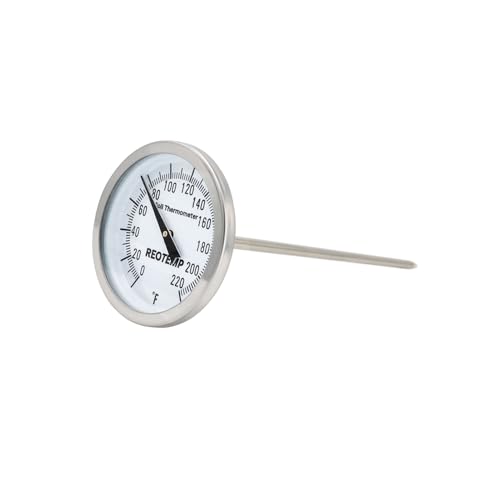
Corrosion Resistant 304 Stainless Steel Case, Bezel and 5" Stem
Temperature Guidelines
Lettuce thrives best when temperatures range from 60°F to 65°F. Monitor the weather closely, as daytime temperatures should ideally fall within this range. Waiting for consistent nighttime temperatures above 50°F is crucial, as cooler nights can hinder growth. Use a soil thermometer to check soil temperature, ensuring it reaches at least 50°F before planting.
Soil Preparations
Prepare the soil by ensuring it’s well-drained and rich in organic matter. Test the soil pH, aiming for a range of 6.0 to 6.8. Integrating compost or well-rotted manure into the soil boosts fertility and structure. Clear any weeds or debris to create a healthy environment for your seedlings. When the soil warms up and retains some moisture, it’s ready for planting.
Best Practices for Planting Lettuce
Planting lettuce involves several key practices that optimize growth and ensure healthy crops. Following these guidelines helps achieve a successful garden.
Spacing and Depth
Space your lettuce seedlings 10 to 12 inches apart. This distance allows plenty of room for growth while preventing overcrowding. Plant the seedlings at a depth that matches their nursery container. Gently place the roots into the soil, ensuring the crown is at soil level. Avoid burying the crown, as it can lead to rot.
Watering Techniques
Water your lettuce thoroughly after transplanting. Aim for about 1 inch of water per week, divided into two sessions if necessary. Use a soaker hose or drip irrigation to target the base of the plants directly, preventing water from splashing onto the leaves. This method reduces the risk of disease while promoting healthy root development. Monitor the soil moisture regularly; if the top inch feels dry, it’s time to water.
By applying these best practices, you create an optimal environment for growing healthy, vibrant lettuce plants in your garden.
Common Mistakes to Avoid
Avoiding common mistakes ensures a successful transplanting experience for your lettuce seedlings. Here are two key areas to pay attention to:
Recommended Products

Quick, at home results for Soil pH, Nitrogen, Phosphorous and Potash Innovative and inexpensive soil test kit features an easy-to-use capsule system and patented color comparators

KNOW BEFORE YOU GROW | Grow the healthiest, sustainable lawn and garden with the most accurate and easy to use professional soil test kit on the market

Comprehensive Soil Analysis: Liquid soil test kits offer a comprehensive analysis of essential soil parameters, including pH, ammonia, nitrogen, phosphorus, and potassium. Having all these measurements in one kit provides a holistic understanding of the soil's fertility and health.
Overlooking Frost Dates
Don’t overlook the average last frost date in your area. Lettuce seedlings thrive in cooler temperatures but can be damaged by late frosts. Check local gardening guides for frost dates specific to your region. If temperatures drop below 28°F, your seedlings risk wilting or dying. It’s best to wait until the danger of frost has passed, typically 2 to 4 weeks after the last frost date, before planting your seedlings outside.
Ignoring Soil Quality
Don’t ignore the quality of your soil. Healthy lettuce requires well-drained, nutrient-rich soil for proper growth. Conduct a soil test before planting. A pH level between 6.0 and 6.8 offers optimal conditions. If your soil lacks essential nutrients, amend it with organic matter like compost or well-rotted manure. This practice enhances soil structure and fertility, ensuring your seedlings develop strong roots and flourish. It’s essential to prepare your soil thoroughly before planting for the best results.
Conclusion
Getting your lettuce seedlings outside at the right time can make all the difference in your garden’s success. By paying attention to temperature soil conditions and frost dates you can ensure your plants thrive. Remember to prepare your soil well and provide the right spacing for your seedlings.
With a little patience and care your lettuce will reward you with fresh greens that taste amazing. So get ready to enjoy the fruits of your labor and savor the delicious salads that await you. Happy gardening!
Frequently Asked Questions
When is the best time to transplant lettuce seedlings outdoors?
Transplant lettuce seedlings outdoors after the last frost date, typically 2 to 4 weeks later. Ensure that daytime temperatures range from 60°F to 65°F, and nighttime temperatures stay above 50°F for optimal growth.
What types of lettuce are best for transplanting?
Common types of lettuce include Butterhead, Romaine, Loose-leaf, and Crisphead. Each variety has unique growth characteristics, so choose based on your taste preferences and growing conditions.
What are the ideal growing conditions for lettuce?
Lettuce thrives in well-drained soil with a pH between 6.0 and 6.8, requiring 6 to 8 hours of sunlight daily. It prefers a consistent moisture level and temperatures between 60°F and 65°F.
How do I prepare the soil for transplanting lettuce seedlings?
Enrich the soil with organic matter and test the pH to ensure it meets the 6.0 to 6.8 range. Clear any weeds and debris, and ensure the soil retains moisture for healthy seedling growth.
What spacing is recommended for transplanted lettuce?
Space lettuce seedlings 10 to 12 inches apart. This spacing allows for proper airflow and growth, reducing competition for nutrients and light.
How much water do transplanted lettuce seedlings need?
Water newly transplanted lettuce thoroughly, providing about 1 inch of water per week. Using a soaker hose or drip irrigation is ideal to minimize the risk of disease.
What mistakes should I avoid when transplanting lettuce?
Avoid overlooking frost dates, as late frosts can damage seedlings. Also, ensure that the soil is high-quality and nutrient-rich through testing and amendments before transplanting.
How do I know when to transplant my lettuce seedlings?
Transplant when soil temperatures reach at least 50°F and daytime conditions are ideal (60°F to 65°F). Monitor your local weather and frost dates closely for the best timing.
