

Are you eager to enjoy fresh, crisp lettuce from your garden? Timing is everything when it comes to planting this leafy green. If you plant too early or too late, you might miss out on the delicious harvest you’re dreaming of.
Key Takeaways
- Lettuce Varieties Matter: Understand the differences between cool-season and warm-season varieties to plant at the right times for optimal growth and flavor.
- Ideal Planting Conditions: Ensure well-draining, nutrient-rich soil with a pH of 6.0 to 6.8 and maintain appropriate temperatures between 45°F to 75°F based on the chosen lettuce variety.
- Planting Times: Plant cool-season varieties in early spring (2-4 weeks before the last frost) and warm-season varieties in late spring or early summer (6-8 weeks before the first frost) for the best yields.
- Seedling Preparation: Start lettuce seeds indoors with proper care, hardening them off gradually before transplanting to ensure successful growth.
- Pest Management: Regularly inspect plants and utilize organic pesticides, row covers, and beneficial insects to protect your lettuce from pests while promoting healthy growth.
- Consistent Watering: Keep the soil consistently moist, especially during germination, to support healthy seedling development and prevent stress during growth cycles.
Understanding Lettuce Varieties
Lettuce comes in various types, each suited for different planting times and growing conditions. Knowing these varieties helps you plant at the right time for optimal growth and flavor.
Cool-Season Varieties
Cool-season varieties thrive in cooler temperatures, typically between 45°F and 65°F. These include:
- Butterhead: Soft, buttery leaves with a sweet taste. Ideal for spring planting.
- Romaine: Crisp and sturdy leaves. Grows well in early spring and fall.
- Looseleaf: Loose, tender leaves that are quick to harvest. Great for succession planting.
Plant these varieties in early spring or late summer to enjoy fresh, crisp greens.
Warm-Season Varieties
Warm-season varieties prefer temperatures ranging from 60°F to 75°F. These include:
- Iceberg: Crunchy texture and classic taste. Best planted after the last frost in spring.
- Crisphead: Similar to iceberg with a tighter leaf structure. Plant in late spring.
- Buttercrunch: A hybrid between butterhead and crisphead, offering a rich flavor. Ideal for warm weather.
Choose these varieties for planting in late spring or early summer to avoid bolting during hotter weather.
Ideal Planting Conditions
Planting lettuce requires specific conditions for optimal growth. Understanding soil requirements and temperature considerations helps ensure a successful harvest.
Recommended Products

Package Includes : You will get 10 pieces plant protectors, 30 fixing pins, 10 white labels and 10 color labels. The size of wire plant cover is 9×9 inches, suitable for various plants,strawberries, dwarf flowers and saplings
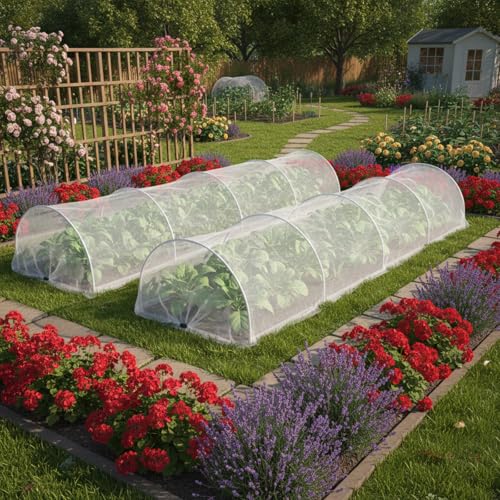
All In One Design: this complete garden cloche tunnel comes assembled with a drawstring to open and close the access points, measuring about 118.11 x 18 x 18 inches/ 300 x 45 x 45 cm, foldable into an accordion style, making it easy for you to enter any area of the garden

Cold-Weather Shield: transparent PVC traps warmth while letting sunlight through; shields potted plants from frost, cold wind, and snow; check on them without lifting the cover; protects in temperatures down to 20 °F
Soil Requirements
Lettuce thrives in well-draining, nutrient-rich soil. Aim for a soil pH between 6.0 and 6.8 for ideal conditions.
- Organic Matter: Incorporate compost or well-rotted manure to enhance soil fertility.
- Drainage: Ensure proper drainage to prevent root rot. Raised beds work well for improving drainage.
- Texture: Use loamy soil, which balances sand, silt, and clay for excellent aeration and moisture retention.
Temperature Considerations
Temperature significantly impacts lettuce growth stages.
- Cool-Season Growth: Plant lettuce in early spring when soil temperatures range from 45°F to 65°F (7°C to 18°C). Cool-season varieties grow best in these temperatures.
- Warm-Season Growth: Shift to late spring or early summer when temperatures reach 60°F to 75°F (15°C to 24°C) for warm-season varieties. This helps avoid premature bolting.
- Frost Sensitivity: Protect young seedlings from frost. Use row covers or cloches to shield them during nighttime temperature dips.
Best Time to Plant Lettuce Outside
Timing your lettuce planting impacts growth quality and yield. Understanding the best times for both spring and fall planting helps achieve a bountiful garden.
Spring Planting
Spring planting of lettuce occurs in early spring, ideally when soil temperatures hit 45°F to 65°F. Plant cool-season varieties like Butterhead, Romaine, and Looseleaf during this period. For a staggered harvest, consider these tips:
- Choose the Right Date: Aim for planting two to four weeks before the last expected frost date in your area.
- Prepare the Soil: Mix organic matter into well-draining soil for optimal nutrient levels.
- Water Regularly: Keep the soil consistently moist, especially during germination.
This approach ensures your lettuce thrives in cooler temperatures.
Fall Planting
Fall planting stretches into late summer or early fall, targeting warm-season varieties which prefer slightly cooler, milder weather. Focus on these steps:
- Timing is Key: Plant lettuce about six to eight weeks before the expected first frost date.
- Soil Preparation: Follow the same soil enrichment methods as spring: amend with compost for fertility.
- Pest Management: Protect young seedlings from pests that might be active during fall months.
This strategy helps produce crisp lettuce while avoiding bolting in warm autumn days.
Tips for Successful Outdoor Planting
Successful outdoor planting relies on proper preparation and pest management. Use these tips to ensure a thriving lettuce garden.
Recommended Products
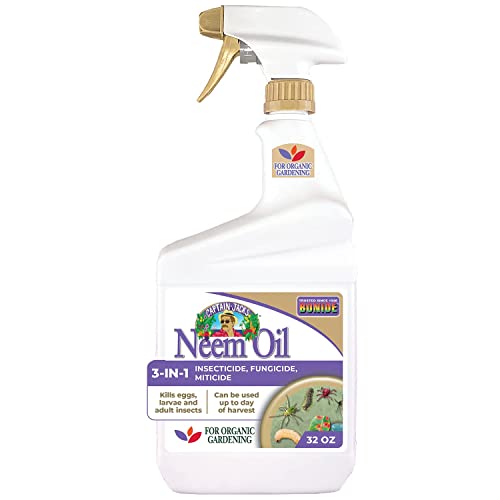
Protect your oasis with 3 garden products in 1 from Captain Jack’s; Bonide Captain Jack’s Ready-to-Use Neem Oil spray for plants is a multi-purpose fungicide, insecticide and miticide for your lawn & garden

READY-TO-USE CONTACT SPRAY: No mixing required. Thoroughly spray insecticide on all plant parts, including the underside of leaves. Pests must be sprayed directly to achieve control

FUNGAL DISEASE CONTROL: Prevents and controls black spot on roses, powdery mildew, rust, downy mildew, and other listed fungal diseases when applied on a 7–14 day schedule
Seedling Preparation
Preparing seedlings correctly boosts success rates. Start with high-quality seeds suited for your region’s climate.
- Soak seeds overnight in water. This helps them germinate faster.
- Use seed trays filled with seed-starting mix. This mixture promotes healthy root development.
- Plant seeds at the recommended depth. Generally, this ranges from ¼ inch to ½ inch for lettuce seeds.
- Water the trays gently. Keep the soil consistently moist, but not soggy.
- Monitor for seedlings. Expect germination within 7 to 14 days, depending on the variety.
Once seedlings grow two sets of true leaves, it’s time to harden them off. Gradually expose them to outdoor conditions over 7 to 10 days. Start with a few hours in a sheltered spot, gradually increasing exposure to direct sunlight and varying temperatures.
Protecting from Pests
Pest protection ensures healthy growth. Various methods guard against common threats.
- Inspect plants regularly. Look for aphids, slugs, and caterpillars, which can damage young seedlings.
- Use organic pesticides. Options like neem oil or insecticidal soap provide effective control without harmful chemicals.
- Apply row covers. These lightweight fabrics create physical barriers against pests while allowing sunlight and moisture to reach plants.
- Attract beneficial insects. Ladybugs, lacewings, and predatory wasps can help manage pest populations naturally. Plant flowers like marigolds or dill to draw them in.
- Keep the garden clean. Remove any debris or weeds that can harbor pests.
Implementing these strategies promotes a healthy environment for your lettuce, resulting in a bountiful harvest.
Conclusion
Timing is everything when it comes to planting lettuce outside. By knowing when to plant your cool-season and warm-season varieties you can enjoy a continuous supply of fresh lettuce throughout the year. Remember to prepare your soil well and monitor the temperatures to create the best conditions for your plants.
Don’t forget to protect your seedlings from unexpected frosts and pests. With a little care and attention you’ll be rewarded with a vibrant and delicious lettuce harvest. So grab those seeds and get ready to enjoy the crisp goodness from your own garden!
Frequently Asked Questions
When is the best time to plant lettuce?
Lettuce should be planted based on its variety. Cool-season types thrive in early spring or late summer, while warm-season varieties are best planted in late spring or early summer. Aim for soil temperatures of 45°F to 75°F depending on the variety.
What are the different types of lettuce?
Lettuce is categorized into cool-season and warm-season varieties. Cool-season types include Butterhead, Romaine, and Looseleaf, while warm-season varieties include Iceberg, Crisphead, and Buttercrunch. Understanding these types helps ensure optimal growth.
How do I prepare the soil for planting lettuce?
Lettuce prefers well-draining, nutrient-rich soil with a pH of 6.0 to 6.8. Incorporate organic matter like compost to boost fertility and ensure good drainage to help prevent root rot.
How can I protect young lettuce seedlings from frost?
To protect young seedlings from frost, use row covers or cloches during cold nights. This will help insulate the plants and safeguard them against unexpected temperature drops.
What should I do for successful outdoor planting?
For successful outdoor planting, start with high-quality seeds and soak them overnight. Use seed trays with seed-starting mix and monitor for germination. Once seedlings have two true leaves, harden them off before transplanting.
How can I manage pests when growing lettuce?
To manage pests, regularly inspect your plants and use organic pesticides if necessary. Implement row covers, attract beneficial insects, and maintain a clean garden environment to prevent infestations.
What is the ideal moisture level for growing lettuce?
Maintaining consistent moisture during germination is crucial for lettuce. Ensure the soil stays damp but not waterlogged to encourage healthy growth and prevent issues like root rot.
