

Are you eager to enjoy fresh, crisp lettuce straight from your garden? Timing is everything when it comes to planting this versatile vegetable, especially in Zone 9, where the climate can be a bit tricky.
Key Takeaways
- Optimal Planting Times: In Zone 9, plant lettuce in early spring after the last frost (late March to early April) and in late summer for a fall crop (late August to early September).
- Variety Selection: Choose heat-tolerant varieties like Butterhead for spring and Romaine for both spring and fall to maximize growth and yield.
- Soil Preparation: Ensure soil is rich in organic matter, well-drained, and with a pH of 6.0 to 7.0 to promote healthy root development.
- Watering Practices: Keep soil consistently moist by watering deeply once or twice a week, and avoid overhead watering to prevent disease.
- Sunlight Needs: Lettuce thrives in full sun but can tolerate partial shade; aim for 6-8 hours of sunlight daily for optimal results.
- Avoiding Bolting: Monitor temperatures closely, especially in spring, and plant earlier to prevent lettuce from bolting in excessive heat.
Understanding Zone 9
Zone 9 features a warm climate, making it an ideal location for growing a variety of vegetables, including lettuce. This zone experiences mild winters and hot summers. Understanding your hardiness zone helps you determine the best times to plant.
Climate Characteristics
- Average Temperature: Zone 9 averages 20°F to 30°F during winter. Spring brings warmer temperatures, often ranging from 60°F to 80°F.
- Frost Dates: Last frost typically occurs between mid-March and late April. The first frost of fall generally happens between late November and mid-December.
- Growing Season: The growing season lasts about 9-11 months. You can plant multiple crops throughout the year.
Best Times to Plant Lettuce
- Spring Planting: Start sowing seeds in late winter or early spring after the last frost date. This ensures your lettuce grows during cooler temperatures, avoiding bolting.
- Fall Planting: For a fall crop, plant seeds in late summer to early fall, about 6-8 weeks before the first expected frost. This timing allows your lettuce to mature in cooler weather.
- Butterhead: Soft texture, grows well in spring and fall.
- Romaine: Crunchy leaves, suitable for summer planting.
- Leaf Lettuce: Fast-growing, ideal for succession planting.
Understanding these factors helps you maximize your yield and enjoy fresh, homegrown lettuce throughout the year.
Best Times to Plant Lettuce
Timing is essential for planting lettuce in Zone 9. You can enjoy a bountiful harvest by understanding the specific spring and fall planting schedules.
Recommended Products

USDA Certified Organic by Oregon Tilth

COMPLETE VARIETY PACK: Eight popular lettuce seeds including Buttercrunch, Romaine, Iceberg, Bibb, Red Oakleaf, Prizehead, plus Kale and Spinach; Perfect lettuce seeds for planting outdoors or in hydroponic systems
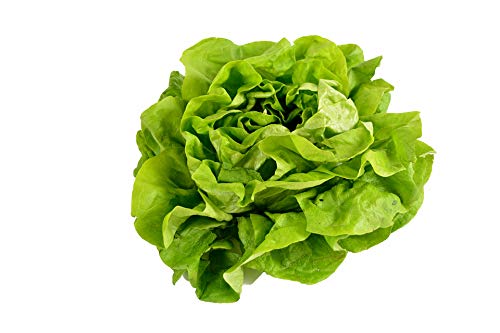
This lettuce is well known for its sweet flavor. Best if harvested in the morning.
Spring Planting Schedule
In Zone 9, spring planting should occur after the last frost, typically in late March to early April. Start seeds indoors 4-6 weeks before the last frost date to give them a head start. Once the soil temperature reaches about 60°F, transplant your seedlings outdoors. Aim to harvest before the heat of summer sets in; lettuce often bolts when temperatures exceed 75°F. Choose varieties like Butterhead or Leaf Lettuce for spring planting as they thrive in these conditions.
Fall Planting Schedule
For fall planting, aim for a sowing date around late August to early September. This timeline allows for growth before cold weather affects your crops. Plant seeds or transplant seedlings about 6-8 weeks before the expected first frost, which usually occurs in late November. Look for hardy varieties like Romaine or Butterhead for a successful fall harvest. Monitor night temperatures; lettuce thrives when temperatures drop to around 60°F. Using row covers or cold frames can extend your growing season even further.
Types of Lettuce Suitable for Zone 9
Zone 9 supports a variety of lettuce types that thrive in its mild winters and warm seasons. Here’s a look at two main categories: Leaf Lettuce and Head Lettuce.
Recommended Products

Award-Winning Butterhead Variety: Bibb lettuce produce tender, crunchy lettuce heads with rich green leaves. Salad lettuce heirloom seeds are slow to bolt and heat tolerant in USDA zones 2–10. These vegetables seeds perform well in spring and fall.

🥬 Great Lakes Batavian Leaf Lettuce Seeds: A crisphead-style lettuce that forms firm, rounded heads with thick, crunchy leaves and a clean, mild flavor. Well suited for salads, sandwiches, and burgers, this variety is valued for its classic texture and dependable head development.

FIVE FLAVORFUL VARIETIES FOR A COMPLETE SALAD GARDEN SOLUTION. This lettuce seed pack includes black seeded simpson, red romaine, bibb, buttercrunch, and iceberg. Perfect for salads, wraps, smoothies, and toppings with fresh, homegrown flavors year-round.
Leaf Lettuce Varieties
Leaf lettuce grows quickly and tolerates warmth well. You can enjoy several varieties, including:
- Buttercrunch: This variety has a soft texture and sweet flavor. It’s ideal for spring and fall planting.
- Red Romaine: Offers a beautiful color and crisp leaves. Plant it in the cooler months for the best results.
- Oak Leaf: Features lobed leaves that add visual interest to salads. This one grows well in spring and fall.
For extended harvests, stagger your planting every couple of weeks. This approach ensures a continuous supply of fresh greens throughout the growing season.
Head Lettuce Varieties
Head lettuce, known for its compact heads, adapts well to Zone 9. Consider these popular varieties:
- Butterhead: Characterized by its loose, tender leaves, Butterhead thrives in cooler temperatures of spring and fall.
- Iceberg: The classic crisp head variety, Iceberg prefers cooler planting times but yields a crunchy texture.
- Romaine: Known for its upright growth and crisp leaves, Romaine performs well in both spring and fall, making it a versatile choice.
Ensure timely planting to avoid bolting. Monitor temperatures closely, especially in spring, and choose heat-tolerant varieties if summer planting is necessary.
Planting Tips for Success
Successful lettuce planting in Zone 9 requires attention to detail. Focus on soil, sunlight, and water requirements to ensure hearty growth.
Recommended Products
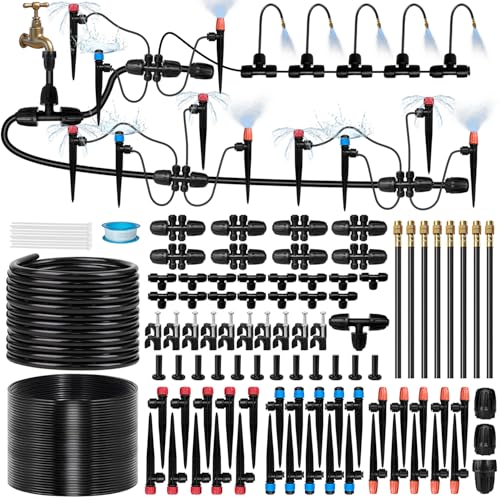
【Upgraded Tube Design & Water Saving】 Our garden watering system is upgraded to 1/2” diameter to support high water pressure. The 1/2” tee connector allows seamless splitting into 2 independent zones for customized watering schedules. By delivering moisture directly to root zones, this drip Irrigation system significantly reduces evaporation and runoff—saving more water compared to conventional sprinklers while eliminating the need for manual watering.

【Upgraded Tube Design & Water Saving】 Our adjustable garden watering system is upgraded to 1/2” diameter to support high water pressure. The 1/2” tee connector in the package so you can easily set up 2 drip irrigation systems as needed. Garden watering systems minimize stage water loss by recharging water directly to plant roots. While traditional irrigation often results in wasted water, this drip irrigation system saves up to 70% of water, no need for manual watering, saves water.

Be a Gardening Master with the help of our superior and complete Drip Irrigation Kit: 50ft flexible & durable PVC 5/16" Irrigation Tubing + 50ft 1/4" Drip Distribution Tubing + 2 x Female Thread Water Connectors for 5/16" Mainline + 20 Barbed Drip Emitters Stream + 10 Barbed Drip Emitters Vortex + 4 x 1-Way, 6 x 2-Way and 2 x 4-Way Barbed Splitters from 5/16" to 1/4" + 5 x 1/4" Tubing Tee Splitters + 2 x 5/16" Mainline End Plugs + 5 x 1/4" Distribution Tubing End Plugs
Soil Preparation
Prepare your soil before planting to promote healthy root development. Test your soil pH; lettuce thrives in a range of 6.0 to 7.0. Enrich the soil with organic matter, like compost or well-rotted manure, to improve drainage and nutrient availability. Turn the soil to a depth of 12 inches to aerate it, ensuring good root growth. If possible, incorporate a balanced fertilizer for an extra nutrient boost just before planting.
Sunlight and Water Requirements
Lettuce prefers full sun but can tolerate partial shade, especially in hotter months. Aim for at least 6-8 hours of sunlight daily for the best results. When it comes to watering, keep the soil consistently moist but not soggy. Water your lettuce deeply once or twice a week, adjusting the frequency depending on rainfall and temperature. Avoid overhead watering to prevent disease; instead, use a drip irrigation system or water at the base of the plants.
Conclusion
Timing is everything when it comes to planting lettuce in Zone 9. By understanding your local climate and knowing the best times to sow and transplant, you can enjoy fresh lettuce throughout the year. Whether you’re opting for a spring or fall planting, choosing the right varieties and following proper care techniques will set you up for success.
Don’t forget to keep an eye on temperatures and moisture levels to avoid any surprises. With a little planning and attention, you’ll be well on your way to a bountiful harvest of delicious homegrown lettuce. Happy gardening!
Frequently Asked Questions
What is the best time to plant lettuce in Zone 9?
In Zone 9, plant lettuce in spring after the last frost, typically late March to early April, or in fall, about 6-8 weeks before the first expected frost in late August to early September.
How can I prevent lettuce from bolting in the summer?
To prevent bolting, choose heat-tolerant varieties, plant in early spring, and ensure consistent moisture. Harvest lettuce before summer heat intensifies.
What types of lettuce grow well in Zone 9?
Leaf lettuces such as Buttercrunch, Red Romaine, and Oak Leaf thrive in Zone 9. For head lettuce, varieties like Butterhead, Iceberg, and Romaine are recommended.
How should I prepare my soil for planting lettuce?
To prepare soil, test pH levels, enrich with organic matter, and aerate to promote healthy root development. Lettuce prefers well-drained, nutrient-rich soil.
How much sunlight does lettuce need?
Lettuce needs at least 6-8 hours of sunlight daily for optimal growth. It can tolerate partial shade but thrives best in full sun.
What watering techniques should I use for lettuce?
Use deep watering techniques to keep the soil consistently moist, avoiding overhead watering to prevent disease. Regular moisture is key for healthy lettuce.
How long is the growing season for lettuce in Zone 9?
The growing season for lettuce in Zone 9 generally lasts about 9-11 months, allowing for both spring and fall planting opportunities.
