

Are you eager to enjoy fresh, crisp lettuce right from your garden? Timing is everything when it comes to planting this leafy green, especially in zone 6a. With its unique climate and temperature patterns, knowing when to sow your seeds can make all the difference in your harvest.
Imagine stepping outside to a vibrant patch of lettuce, ready to be picked for your salads and sandwiches. This article will guide you through the best planting times, ensuring you get the most out of your gardening efforts. You’ll learn how to navigate the seasons and make the most of your growing space, so you can savor the taste of homegrown goodness all summer long.
Key Takeaways
- Optimal Planting Times: Sow lettuce seeds indoors 4-6 weeks before the last frost for spring planting (mid-March to early April) and directly plant seeds in late summer for fall harvesting (late July to early September).
- Understand Frost Dates: Know the last frost date (early April) and first frost date (late October) in zone 6a to maximize your planting schedule and avoid crop loss.
- Soil Temperature Matters: Ensure soil temperatures are between 45°F and 65°F for successful germination; consider pre-warming the soil if necessary.
- Choose Suitable Varieties: Select lettuce varieties that are suited for cooler climates, like Butterhead and Leaf Lettuce, for optimal growth and flavor.
- Stagger Planting for Continuous Harvest: For a steady supply of fresh lettuce, stagger plantings every two weeks throughout the growing season.
- Soil and Sunlight Needs: Prepare well-drained, nutrient-rich soil with a pH of 6.0-7.0 and provide at least 6 hours of sunlight daily to enhance lettuce growth.
Importance Of Timing In Gardening
Timing plays a crucial role in successful gardening, especially for crops like lettuce. Understanding the climate of zone 6a helps you maximize growth and flavor.
Optimal Planting Times
- Spring Planting: Start sowing seeds indoors in late winter, about 4 to 6 weeks before the last frost date. This usually falls around mid-March to early April in zone 6a. Transplant seedlings outdoors once the soil temperature reaches 50°F.
- Fall Planting: For a second crop, plant seeds in late summer or early fall. Aim for late July to early September. Lettuce thrives in cooler temperatures, so a fall harvest can provide crisp leaves just before winter.
Seasonal Considerations
- Frost Dates: Know your region’s first and last frost dates. Planting too close to these dates can hinder growth and affect yields. Zone 6a typically has a last frost in early April and a first frost in late October.
- Temperature Fluctuations: Lettuce prefers temperatures between 60°F and 70°F. Planting outside of these ranges can lead to bolting, where plants flower prematurely, affecting flavor and texture.
Growing Conditions
- Soil Quality: Prepare well-drained, nutrient-rich soil. The right pH balance, ideally between 6.0 and 7.0, encourages healthy growth and improves flavor.
- Sunlight Exposure: Lettuce requires at least 6 hours of sunlight daily. Monitor sunlight patterns in your garden to choose optimal planting spots.
- Seasonal Varieties: Choose varieties suited for your planting time. For spring, consider loose-leaf types. For fall, look for varieties that handle cooler temps well.
- Stagger Planting: For continuous harvests, stagger your planting every two weeks. This approach keeps fresh lettuce available throughout the season.
By mastering the timing of your lettuce planting, you create a fruitful and healthy garden. Remember, proper timing leads to better growth and tastier results.
Ideal Planting Times
Knowing when to plant lettuce in zone 6a ensures the best results. This zone supports two main planting seasons: spring and fall.
Spring Planting
For spring planting, start by sowing seeds indoors about 4 to 6 weeks before the last expected frost date, typically in mid to late March for zone 6a. Once the soil temperature reaches 45°F to 65°F, you can transplant the seedlings outside. Aim to plant lettuce outdoors around late April to early May. This timing allows your plants to thrive in cooler temperatures, leading to sweeter, more flavorful greens.
Fall Planting
For fall planting, the goal is to maximize growth before frost arrives. Plant lettuce seeds directly in the garden around late summer, about 6 to 8 weeks before the first expected frost, usually around mid to late September. Lettuce thrives in the cooler temperatures of fall, so you can enjoy a fresh harvest until the first hard freeze. Consider using row covers to protect your plants from unexpected cold snaps and extend your growing season.
Factors Influencing Planting Time
Several factors influence the planting time for lettuce in zone 6a. Understanding these elements helps ensure a successful harvest.
Recommended Products

PRECISE SOIL TEMPERATURE READINGS: Measures soil temperatures from 20 degrees F to 180 degrees F (0 degrees C to 80 degrees C) with a large, easy-to-read analog dial face - no batteries or digital screens needed for reliable results every time

Easy-to-read green, yellow, and red tick marks for easy monitoring
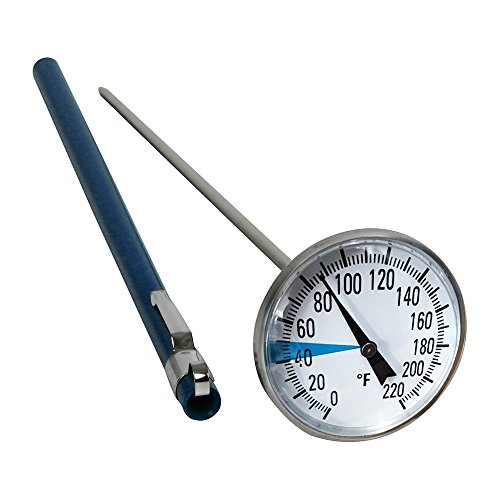
PRACTICAL SOLUTION - While other Soil Thermometers can’t tell the correct temperature, fogs up, and get broken easily, our soil thermometer has high precision performance, high-visibility, and is designed to last
Soil Temperature
Soil temperature plays a crucial role in lettuce planting. Seeds germinate best in soil temperatures between 45°F and 65°F. You can use a soil thermometer to check the temperature before planting. If the soil is too cold, seeds may rot instead of sprouting. To promote optimal growth, pre-warm the soil by covering it with black plastic a week before sowing. This method helps raise the soil temperature and leads to healthier seedlings.
Frost Dates
Frost dates impact when you plant lettuce. In zone 6a, the last frost typically occurs between April 15 to April 30. For spring planting, sow your seeds indoors 4 to 6 weeks before this date, then transplant seedlings outside once the last frost has passed. For fall planting, aim to sow seeds 6 to 8 weeks before the first expected frost, which usually occurs around late October. Check local extension services or gardening websites for precise frost dates in your area. Knowing these dates ensures you plant at the right times for optimal growth.
Best Practices For Planting Lettuce
Planting lettuce successfully in zone 6a requires attention to key practices. Following these recommendations enables you to grow a vibrant crop.
Recommended Products

4 Popular Heirloom Lettuce Varieties: Includes Red Romaine, Bibb Butterhead, Black Seeded Simpson, and Green Ice lettuce seeds to grow crisp, tender, and colorful salad greens with balanced flavor, texture, and visual appeal.

USDA Certified Organic by Oregon Tilth

"Mesclun" comes from the Provençal French word meaning "mixture" — this style of mixed salad greens originated in the Nice region of France and became a staple of fine restaurants worldwide before becoming a home garden favorite.
Seed Selection
Choose lettuce varieties suited for cooler temperatures. Leafy greens like Butterhead and Leaf Lettuce thrive well in spring and fall. For faster growth, opt for varieties labeled as “quick-maturing.” Always check seed packets for specific information on recommended planting times. Native seed catalogs offer local variety suggestions tailored to your region, enhancing the chances of a fruitful harvest.
Soil Preparation
Prepare your soil for optimal lettuce growth. Test soil pH; lettuce prefers a range of 6.0 to 6.8. Amend the soil with organic matter, like compost, to improve drainage and nutrient content. Ensure your soil is loose and crumbly for easy root development. Use a garden fork to aerate the soil, mixing in compost thoroughly. Prior to planting, keep the soil moist but not soggy to promote healthy seed germination.
By selecting the right seeds and preparing your soil properly, you set the stage for a successful lettuce garden.
Conclusion
Understanding when to plant lettuce in zone 6a can make all the difference in your garden’s success. By timing your sowing for both spring and fall, you’ll set yourself up for a bountiful harvest. Remember to keep an eye on soil temperatures and frost dates to ensure your seeds get the best start possible.
Don’t forget to prepare your soil and choose the right varieties for cooler weather. With a little planning and care, you’ll enjoy fresh and flavorful lettuce all season long. Happy gardening!
Frequently Asked Questions
What is the best time to plant lettuce in zone 6a?
For spring planting in zone 6a, sow lettuce seeds indoors about 4 to 6 weeks before the last frost, around mid to late March. Transplant seedlings outdoors by late April to early May. For fall planting, sow seeds directly in the garden about 6 to 8 weeks before the first hard frost, typically mid to late September.
How does soil temperature affect lettuce planting?
Soil temperature is crucial for lettuce seed germination. Seeds germinate best when soil temperatures range between 45°F and 65°F. Monitoring the soil temperature with a thermometer can help you determine the optimal time to plant.
What varieties of lettuce grow best in cooler temperatures?
Lettuce varieties that thrive in cooler temperatures include Butterhead and Leaf Lettuce. These types are ideal for growing in zone 6a, especially when planted in spring or fall, for optimal flavor and growth.
How can I protect my lettuce from unexpected cold?
Using row covers is an effective way to protect lettuce plants from unexpected cold snaps. Row covers provide insulation and shield plants from frost, helping to maintain their health and productivity during cooler weather.
Why is soil preparation important for growing lettuce?
Proper soil preparation enhances drainage, nutrient content, and moisture retention, which are essential for healthy lettuce growth. Testing soil pH (ideal range: 6.0 to 6.8) and amending with organic matter like compost helps create the best environment for seed germination.
