

Are you eager to grow fresh, crisp lettuce in your garden but unsure when to start? If you live in zone 5b, timing is everything for a successful harvest. Planting too early or too late can affect your crop’s growth and flavor.
Imagine biting into a salad made from your own homegrown lettuce. It’s not just a delicious treat; it’s a rewarding experience that brings a sense of accomplishment. This article will guide you on the best times to plant lettuce in zone 5b, ensuring you enjoy a bountiful harvest. With the right timing, you’ll be well on your way to enjoying fresh salads throughout the growing season.
Key Takeaways
- Ideal Planting Times: In zone 5b, plant lettuce in early spring between April 1st and 15th and in late summer from August 15th to 30th for optimal crops.
- Understanding Temperature: Lettuce thrives in soil temperatures between 45°F and 65°F; consider using a soil thermometer to check conditions.
- Variety Selection: Choose cool-season varieties like Butterhead and Romaine for spring, and heat-resistant types such as Summer Crisp and Iceberg for summer planting.
- Frost Awareness: Track local last and first frost dates to protect tender lettuce leaves and plan harvests effectively.
- Soil Preparation: Ensure well-drained, nutrient-rich soil with a pH range of 6.0 to 6.8 to foster healthy lettuce growth.
- Proper Watering and Fertilizing: Water consistently to keep soil moist, and use a balanced liquid fertilizer to support robust growth and flavor.
Understanding Zone 5b
Zone 5b experiences average winter temperatures ranging from 15°F to 20°F. This zone offers a growing season of approximately 160 to 180 days. Knowing your zone helps you select the right varieties and planting times for your lettuce.
Lettuce grows best in cool weather. Early spring planting occurs around April 1st to 15th. You can also plant in late summer, from August 15th to 30th, for a fall harvest. Timing is crucial; planting too early or too late may result in bolting or poor flavor.
To optimize your lettuce crop, consider using a soil thermometer. The ideal soil temperature for planting lettuce is between 45°F and 65°F. This ensures proper germination and growth.
Utilizing row covers or cloches can protect young plants from unexpected frost. These methods extend your growing season, allowing for earlier and later harvests.
Keep track of frost dates in your area. Frost can damage tender lettuce leaves. Knowing your last frost date in spring and first frost date in fall helps you plan your planting schedule effectively.
Ideal Lettuce Varieties for Zone 5b
Choosing the right lettuce varieties ensures a successful harvest in zone 5b. You can find both cool-season and heat-resistant options that thrive in your climate.
Recommended Products
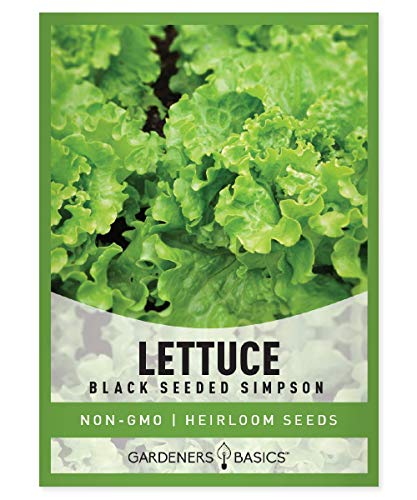
Black Seeded Simpson is a classic heirloom loose leaf lettuce with large, tender green leaves and a mild, sweet flavor. Harvest fresh leaves for salads, sandwiches, wraps, and other homegrown meals.

YEAR-ROUND GARDEN FAVORITE – Dependable butterhead lettuce that thrives in cool or moderate weather for consistent harvests from spring through fall, even under cover in winter

5-Variety Lettuce Seed Collection - Enjoy a continuous harvest of fresh, flavorful greens! This lettuce seed collection includes Black Seeded Simpson, Iceberg, Buttercrunch, Parris Island Cos, and Lolla Rossa Lettuce.
Cool-Season Varieties
Cool-season varieties grow best in the mild temperatures of spring and fall. These lettuce types excel in cooler weather and provide tender, flavorful leaves. Here are a few ideal options:
- Butterhead Lettuce: Known for its sweet and buttery leaves, Butterhead types, like ‘Buttercrunch’ and ‘Bibb,’ perform well in cool conditions.
- Romaine Lettuce: Varieties such as ‘Parris Island Cos’ offer crisp texture and high nutrient density. They grow well from early spring through late fall.
- Looseleaf Lettuce: Varieties like ‘Red Romaine’ and ‘Black Seeded Simpson’ have quick growth cycles. These lettuces provide a continuous harvest when planted every few weeks.
Heat-Resistant Varieties
For summer planting, heat-resistant varieties ensure that your lettuce remains crisp and flavorful during warmer months. These types can withstand higher temperatures without bolting. Consider these selections:
- Summer Crisp Lettuce: Varieties such as ‘Nevada’ and ‘Red Leaf’ offer resilience in heat while maintaining a crunchy texture.
- Iceberg Lettuce: Reliable options like ‘Crispino’ or ‘Great Lakes’ work well, holding up against the heat while providing firm heads.
- Oakleaf Lettuce: Varieties like ‘Green Oakleaf’ are perfect for summer. They thrive in warmth and deliver a delicate, mild flavor.
Selecting the right lettuce varieties for your climate leads to a fruitful garden. Remember to monitor local temperatures and harvest conditions for the best results.
Timing for Planting Lettuce
Timing plays a crucial role in growing lettuce successfully in zone 5b. Plant at the right time to enjoy fresh, flavorful homegrown lettuce.
Recommended Products

USDA Certified Organic by Oregon Tilth

COMPLETE VARIETY PACK: Eight popular lettuce seeds including Buttercrunch, Romaine, Iceberg, Bibb, Red Oakleaf, Prizehead, plus Kale and Spinach; Perfect lettuce seeds for planting outdoors or in hydroponic systems

5 Popular Heirloom Varieties in One Pack: This Lettuce Seeds 5 Variety Pack includes a curated selection of beloved heirloom types, offering a range of textures from crisp Romaine to tender Butterhead and colorful loose-leaf lettuces for endless salad possibilities.
Spring Planting Schedule
For spring planting, aim for the window between April 1st and April 15th. This period provides optimal cooler temperatures that encourage growth without bolting.
- Choose Your Varieties: Opt for cool-season varieties like Butterhead, Romaine, or Looseleaf. These thrive in the mild temperatures of spring.
- Check Soil Temperature: Ensure the soil temperature is between 45°F and 65°F. Use a soil thermometer for accurate readings.
- Consider Frost Protection: If late frosts threaten, cover young seedlings with row covers or cloches to shield them from chill.
Fall Planting Schedule
Fall planting occurs from August 15th to August 30th. This timeframe allows you to harvest before the first hard frost.
- Select Appropriate Varieties: Consider heat-resistant options like Summer Crisp, Iceberg, or Oakleaf. These types resist bolting in warmer weather.
- Monitor Local Frost Dates: Keep track of frost dates in your area to plan your harvest effectively.
- Utilize Shade Cloths: If the summer heat lingers, use shade cloths to protect your lettuce from excessive sun, helping it maintain flavor and texture.
By adhering to these schedules, you can maximize your lettuce production and enjoy fresh greens throughout the growing season.
Tips for Successful Lettuce Growing
Successful lettuce growing requires attention to soil, watering, and fertilizing. Following these guidelines ensures a bountiful harvest.
Soil Preparation
Preparing soil properly is crucial for healthy lettuce growth. Start by testing your soil pH; aim for a range of 6.0 to 6.8, which is ideal for lettuce. Amend the soil with organic matter, like compost, to improve drainage and nutrient content.
When planting, work the soil to a depth of 12 inches. Break up any clumps for easy root penetration. If soil drains poorly, consider raised beds to enhance drainage.
Consider adding a slow-release fertilizer during soil preparation to give plants a good start. This provides essential nutrients early in the growth cycle, leading to robust, flavorful lettuce.
Watering and Fertilizing
Proper watering practices are vital for lettuce. Water lightly but frequently, ensuring the top inch of soil remains moist without becoming soggy. Aim to provide about 1 inch of water per week, adjusting based on rainfall and temperature.
During dry spells, consider using drip irrigation or soaker hoses for efficient watering, reducing the risk of disease by keeping leaves dry.
Fertilizing also plays an important role. Use a balanced liquid fertilizer every few weeks, following the package instructions. Avoid over-fertilizing, as it can lead to excessive leaf growth with little flavor. Stick to a standard fertilizer ratio of 10-10-10 for best results.
Conclusion
Growing lettuce in zone 5b can be a rewarding adventure when you plant at the right time. By sticking to the recommended planting windows in early spring and late summer you’ll set yourself up for a delicious harvest.
Don’t forget to monitor soil temperatures and local frost dates to protect your tender greens. With the right varieties and care you can enjoy fresh salads throughout the season. Embrace the joy of home gardening and savor the crisp flavors of your homegrown lettuce. Happy planting!
Frequently Asked Questions
What is the best time to plant lettuce in zone 5b?
Plant lettuce in zone 5b during early spring from April 1st to 15th and late summer from August 15th to 30th for a successful fall harvest.
Why is the timing crucial for planting lettuce?
Timing is vital because planting too early or too late can lead to bolting or poor flavor, impacting the growth and overall quality of your lettuce.
What are the ideal soil temperatures for planting lettuce?
The ideal soil temperature for planting lettuce falls between 45°F and 65°F. Using a soil thermometer can help determine the right conditions.
How can I protect young lettuce plants from frost?
Employing row covers or cloches can shield young lettuce plants from unexpected frost, helping to extend the growing season.
What lettuce varieties are suitable for zone 5b?
For cool-season planting, consider Butterhead, Romaine, and Looseleaf varieties. For heat-resistant options in summer, choose Summer Crisp, Iceberg, or Oakleaf lettuces.
How often should I water my lettuce?
Water your lettuce lightly but frequently, aiming for about 1 inch of water per week. Ensure the top inch of soil remains moist, especially during dry spells.
What soil pH range is ideal for lettuce growth?
The ideal soil pH for lettuce ranges from 6.0 to 6.8. Testing and amending the soil can significantly improve your lettuce yield.
Should I fertilize my lettuce plants?
Yes, using a balanced liquid fertilizer every few weeks is recommended. Be cautious not to over-fertilize, as this can harm the plants.
