

Are you eager to grow your own fresh lettuce but unsure when to plant it in Virginia? You’re not alone. Many gardeners find themselves confused by the changing seasons and varying climate conditions. Timing can make all the difference in enjoying that crisp, homegrown salad.
Key Takeaways
- Optimal Planting Times: In Virginia, plant lettuce in early spring (April to May) and fall (mid-August to early September) for the best results.
- Soil Temperature: Lettuce seeds germinate best at soil temperatures between 45°F and 75°F—monitor soil temperature for successful planting.
- Growth Stages: Understand the four essential stages of lettuce growth—seed germination, seedling, vegetative, and marketable—to effectively manage planting and harvesting.
- Variety Selection: Choose suitable lettuce varieties like Butterhead, Romaine, and Leaf Lettuce based on your planting season to enhance your harvest.
- Water and Care: Keep soil consistently moist and thin seedlings adequately to promote healthy growth, avoiding waterlogged conditions.
- Harvest Timing: Harvest lettuce in the early morning or late afternoon to prevent wilting and ensure the best flavor and quality.
Understanding Lettuce Growth Stages
Lettuce grows through several distinct stages, each essential for its development. Recognizing these stages helps you effectively time your planting and harvesting.
Seed Germination
- Timing: Seeds germinate within 7 to 14 days after planting.
- Conditions: Aim for soil temperatures between 60°F and 70°F.
- Tip: Keep soil consistently moist but not waterlogged.
Seedling Stage
- Growth: After germination, seedlings develop two to four true leaves.
- Care: Thin crowded seedlings to promote healthy growth, leaving about 6 to 12 inches between them.
- Condition: Provide partial sunlight for around 8 to 12 hours each day.
Vegetative Stage
- Development: This stage lasts about 3 to 6 weeks.
- Nutrient Needs: Fertilize with a balanced fertilizer every 2 to 3 weeks.
- Spacing: Maintain adequate space to allow for leaf expansion and airflow.
Marketable Stage
- Readiness: Lettuce reaches marketable size after 6 to 8 weeks.
- Harvest: Determine optimal harvest time by checking leaf size and texture.
- Timing: Early morning or late afternoon is ideal for harvesting to avoid wilting.
- Indication: Bolting occurs in warmer weather, signaling stress.
- Impact: Lettuce turns bitter and tough as it flowers.
- Prevention: Monitor temperatures and water consistently to delay this stage.
Understanding these growth stages equips you to cultivate healthy lettuce, enhancing your gardening experience in Virginia.
Ideal Planting Seasons in Virginia
In Virginia, the climate offers multiple opportunities for planting lettuce, mainly in the spring and fall. Understanding the best seasons ensures a successful harvest.
Recommended Products


Exceptional Germination Rates - Achieve a lush garden effortlessly with our Butter Crunch Lettuce seeds, boasting high germination rate. Ideal for both beginners and experienced gardeners, ensuring a successful harvest every time.
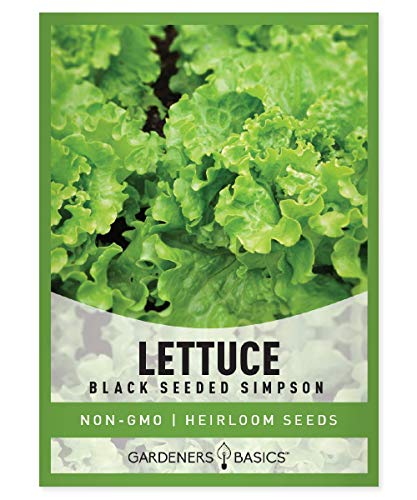
Black Seeded Simpson is a classic heirloom loose leaf lettuce with large, tender green leaves and a mild, sweet flavor. Harvest fresh leaves for salads, sandwiches, wraps, and other homegrown meals.
Spring Planting
Spring provides the ideal conditions for growing lettuce. Start planting seeds indoors about four to six weeks before the last frost, which typically falls between late March and mid-April in most regions of Virginia. Transplant the seedlings outdoors once the soil temperature reaches 45°F.
For direct sowing, aim for early April through late May. Row spacing should be about 12 to 18 inches apart. Ensure consistent moisture during this period to promote healthy growth.
Fall Planting
Fall planting caters to lettuce varieties that flourish in cooler temperatures. Plant seeds directly in the garden or transplant seedlings around mid-August to early September. The goal is to harvest before the first hard frost, typically in late October or early November.
Select fast-growing varieties to maximize your harvest window. Space rows similarly at 12 to 18 inches apart. Use mulch to help retain soil moisture and regulate temperature as the days get cooler.
By timing your planting effectively, you can enjoy a continuous supply of fresh lettuce throughout the growing seasons.
Factors Affecting Planting Times
Planting times for lettuce in Virginia rely on a few key factors. Understanding these components improves your success in growing this cool-weather crop.
Soil Temperature
Soil temperature plays a crucial role in germination. Lettuce seeds germinate best between 45°F and 75°F. Below 45°F, germination slows significantly. Use a soil thermometer to check temperatures a few inches below the surface. If you’re planting in spring, wait until the average soil temperature hits at least 45°F for optimal growth. For fall planting, ensure the soil cools down gradually but remains above 40°F for proper seedling development.
Frost Dates
Frost dates directly impact when to plant your lettuce. Virginia typically experiences its last frost between mid-March and late April, depending on the region. For spring planting, consult local resources or gardening calendars to determine your specific frost date. In the fall, expect the first hard frost around mid-October. Aim to plant your lettuce so that it matures before the first frost. Fast-growing varieties help with this, ensuring you harvest before colder temperatures hit.
Recommended Varieties for Virginia
Choosing the right lettuce varieties for Virginia’s climate enhances your gardening success. Here are some top options you might consider:
Recommended Products

YEAR-ROUND GARDEN FAVORITE – Dependable butterhead lettuce that thrives in cool or moderate weather for consistent harvests from spring through fall, even under cover in winter

Disease Resistant Salad Romaine : Parris Island Cos gardening seeds produce tall upright romaine lettuce head growth with crunchy midribs and juicy texture. Mosaic tolerant leaf lettuce seeds for planting outdoors thrive in USDA zones 3–9 with strong field performance.

4 Popular Heirloom Lettuce Varieties: Includes Red Romaine, Bibb Butterhead, Black Seeded Simpson, and Green Ice lettuce seeds to grow crisp, tender, and colorful salad greens with balanced flavor, texture, and visual appeal.
Butterhead Lettuce
- Characteristics: Soft, tender leaves with a slightly sweet flavor.
- Popular Varieties: ‘Buttercrunch’ and ‘Bibb’.
- Planting Tip: These thrive in cooler temperatures. Plant in early spring or late summer.
Romaine Lettuce
- Characteristics: Crisp, upright leaves with a robust flavor.
- Popular Varieties: ‘Cos’ and ‘Parris Island’.
- Planting Tip: Sow directly in early spring for a summer crop.
Leaf Lettuce
- Characteristics: Loose leaves that come in various colors and shapes.
- Popular Varieties: ‘Red Romaine’ and ‘Lollo Rosa’.
- Planting Tip: Grows well in both spring and fall. Space seeds closely for a full harvest.
Looseleaf Lettuce
- Characteristics: Quick-growing variety that’s easy to harvest.
- Popular Varieties: ‘Red Leaf’ and ‘Green Leaf’.
- Planting Tip: Sow seeds every 2-3 weeks to ensure a continuous harvest.
Mesclun Mix
- Characteristics: A blend of young, tender greens.
- Popular Varieties: Includes a mix of arugula, lettuce, and other greens.
- Planting Tip: Best sown in the spring and fall. Harvest as baby greens for a delicate flavor.
- Characteristics: Specially bred to resist bolting in warmer temperatures.
- Popular Varieties: ‘Butterhead’ and ‘Summer Crisp’.
- Planting Tip: Ideal for late spring and summer planting. Use these if summer heat affects your lettuce.
Choosing varieties that suit your planting time and intended harvest enhances your gardening experience. You’ll enjoy fresh salads made with your homegrown lettuce throughout the growing season in Virginia.
Best Practices for Planting Lettuce
Recommended Products

Defend Against Unwanted Visitors: Gardening is a rewarding and fulfilling endeavor, and you'll watch your plants grow from nothing to maturity before you finally harvest them. Once the plants begin to flower and bear fruit, these unwelcome visitors visit your garden and often leave a trail of destruction. Garden netting is the best choice for protecting your plants
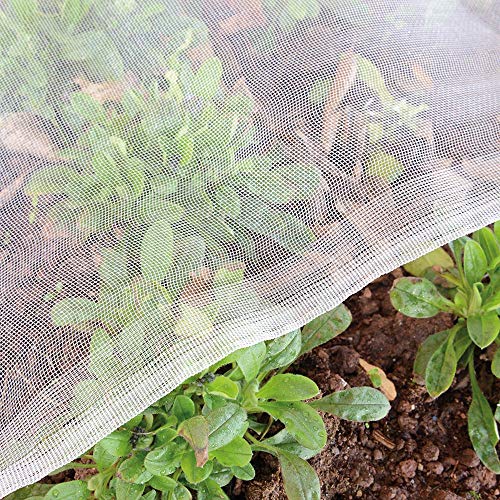
🥬Effective Bug Barrier: Protecting plants and vegetables from a wide range of pest insects and animals, such as cicadas, carrot fly and many species of aphids, you will get a healthier and happier garden

🌱 1. Protect Seedlings from Spring Frost & Cold Nights This 6.5 × 16.4 ft floating row cover helps shield young plants, seedlings, and vegetables from late spring frost and sudden overnight temperature drops.
Ideal Soil Conditions
Ensure soil drains well and retains moisture. Aim for a soil pH between 6.0 and 7.0 for optimal growth. Incorporate organic matter, like compost, to improve soil structure and fertility.
Seed Preparation
Select high-quality seeds for best results. Before planting, soak seeds in water for a few hours to enhance germination rates.
Sowing Techniques
Direct sow seeds about ¼ inch deep in rows spaced 12 to 18 inches apart. Thin seedlings once they reach a few inches high to provide adequate spacing, usually 6 to 12 inches apart.
Watering Practices
Keep the soil consistently moist but not soggy. Water deeply once or twice a week, adjusting based on weather conditions. Use mulch to retain moisture and suppress weeds.
Fertilization Guidelines
Apply a balanced, slow-release fertilizer at planting. Use a liquid fertilizer every few weeks to support growth, trusting the recommended rates on the label.
Managing Temperature
Cover seedlings with floating row covers to protect against unexpected frosts. In warm conditions, provide shade to prevent bolting; aim for partial shade during the hottest parts of the day.
Pest and Disease Control
Regularly inspect your plants for pests like aphids and slugs. Introduce beneficial insects to your garden to control pests naturally. Remove diseased plants immediately to prevent spread.
Timing Your Harvest
Harvest lettuce in the morning when temperatures are cooler. Cut leaves just above the base, allowing for regrowth. Plan to harvest before temperatures exceed 75°F to maintain taste and quality.
Conclusion
Timing your lettuce planting in Virginia can make all the difference in your garden’s success. By paying attention to seasonal changes and soil temperatures you can enjoy a bountiful harvest. Remember to start your seeds indoors in early spring or direct sow in the fall for the best results.
Choosing the right lettuce varieties and following best practices for soil and watering will help you grow delicious greens. With a little patience and care you’ll be savoring fresh salads from your own garden in no time. Happy gardening!
Frequently Asked Questions
When is the best time to plant lettuce in Virginia?
The ideal times to plant lettuce in Virginia are during spring and fall. For spring planting, start seeds indoors four to six weeks before the last frost and transplant when soil temperatures reach 45°F. For fall, sow seeds around mid-August to early September to ensure a harvest before the first hard frost.
What factors should I consider for planting lettuce?
Key factors include soil temperature and local frost dates. Lettuce seeds germinate best between 45°F and 75°F. It’s crucial to check soil temperatures and plant early enough in the spring or late enough in the fall to avoid frost damage.
What are the recommended lettuce varieties for Virginia?
Recommended varieties for Virginia include Butterhead, Romaine, Leaf, Looseleaf, and Mesclun Mix. Each variety has specific planting tips and characteristics suited for the Virginia climate, enhancing your gardening success throughout the season.
How deep should I plant lettuce seeds?
Sow lettuce seeds about ¼ inch deep in well-draining soil. Ensure to space the rows 12 to 18 inches apart to allow for proper growth and airflow between plants.
How can I prevent my lettuce from bolting?
To prevent lettuce from bolting in warmer weather, manage temperature with row covers and shade as needed. Maintaining consistent soil moisture and choosing fast-growing varieties can also help reduce the chance of bolting.
How often should I water lettuce?
Lettuce requires consistent moisture. Water regularly to keep the soil damp, and consider using mulch to help retain moisture and regulate soil temperature, especially during warmer weather.
When is the best time to harvest lettuce?
Harvest lettuce in the morning before temperatures exceed 75°F for the best taste and quality. Picking early ensures that the leaves are crisp and tender, enhancing your salads.
