

Are you eager to grow your own fresh lettuce but unsure when to get started in Pennsylvania? You’re not alone. Many gardeners face the challenge of timing their planting just right to enjoy a bountiful harvest.
Key Takeaways
- Understanding Planting Seasons: Cool-season lettuce varieties thrive in temperatures ranging from 60°F to 70°F, making early spring (mid-March to late April) and late summer ideal for planting in Pennsylvania.
- Frost Dates Matter: Plant cool-season lettuce 2-4 weeks before the last expected frost (around April 15) and for fall crops, sow 6-8 weeks before the first frost (around October 15).
- Tailor to Local Climate: Regional climate variations affect planting times; check local frost dates and adapt your planting schedule accordingly.
- Optimal Soil Temperature: Ensure soil temperatures are between 40°F and 70°F, ideally around 50°F for optimal germination; use a soil thermometer for accurate readings.
- Soil Preparation is Key: Proper soil preparation, including testing pH, incorporating organic matter, and ensuring good drainage, enhances lettuce growth and yield.
Understanding Lettuce Growing Seasons
Understanding the growing seasons for lettuce in Pennsylvania helps you plant at the right time for optimal growth and harvest. Lettuce thrives in cooler temperatures, making timing crucial for success.
Cool-Season vs. Warm-Season Lettuce
Cool-season lettuce varieties, such as Butterhead and Romaine, flourish when temperatures range from 60°F to 70°F. You should plant them in early spring, around mid-March to late April, and again in late summer for a fall crop. Warm-season varieties like Butterhead and Crisphead grow best when temperatures hover between 70°F and 75°F. These can be sown after the last frost, typically in late May. Knowing the right type to grow helps you optimize your planting strategy.
Frost Dates in Pennsylvania
Frost dates play a vital role in determining when to plant lettuce. Pennsylvania experiences varying frost dates, usually around April 15 for the last frost in spring. You should aim to plant your cool-season lettuce about two to four weeks before this date. For fall crops, plan to plant your lettuce about six to eight weeks before the first expected frost date, which typically falls around October 15. Keeping an eye on local frost forecasts is essential to protect your plants and ensure a successful harvest.
Best Times to Plant Lettuce
Timing is vital for a successful lettuce harvest in Pennsylvania. Lettuce thrives in cooler temperatures and needs specific planting times for optimal growth.
Spring Planting Guide
For spring planting, choose cool-season varieties like Butterhead and Romaine. Start these seeds two to four weeks before the last frost date, typically around mid-April. Target dates include:
- March 15 to March 31: Begin sowing seeds indoors for Butterhead and Romaine.
- April 1 to April 15: Transfer seedlings outdoors as soil warms up but remains cool.
Monitor local frost forecasts to protect your seedlings. If a late frost is predicted, cover plants with floating row covers or blankets for insulation.
Fall Planting Recommendations
For fall crops, plant cool-season varieties six to eight weeks before the expected first frost, which is around mid-October. Aim for these dates:
- August 15 to August 31: Start sowing seeds directly in the garden or transplant seedlings.
- September 1 to September 15: Continue planting varieties that mature quickly, like Leaf Lettuce.
Use row covers to extend the growing season and protect against early frosts. This strategy ensures fresh lettuce for your table well into the fall.
Factors Influencing Planting Time
Several factors affect when you plant lettuce in Pennsylvania. Understanding these elements ensures a successful harvest of fresh lettuce.
Recommended Products

Easy-to-read green, yellow, and red tick marks for easy monitoring
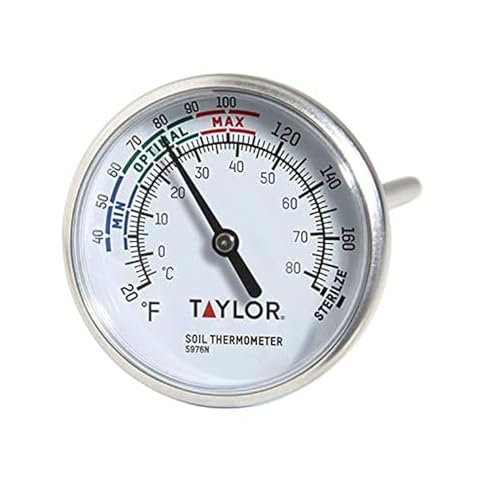
PRECISE SOIL TEMPERATURE READINGS: Measures soil temperatures from 20 degrees F to 180 degrees F (0 degrees C to 80 degrees C) with a large, easy-to-read analog dial face - no batteries or digital screens needed for reliable results every time
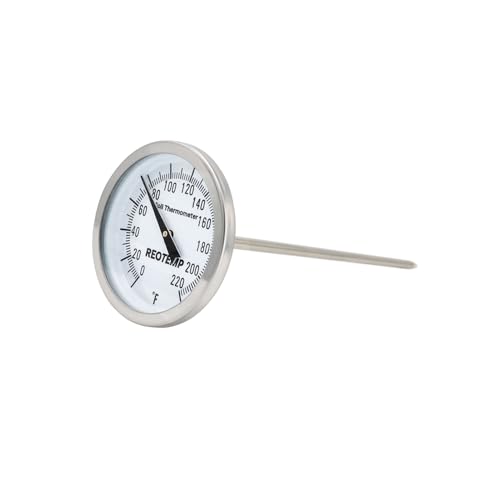
Corrosion Resistant 304 Stainless Steel Case, Bezel and 5" Stem
Local Climate Variations
Local climate variations in Pennsylvania significantly influence planting times. Different regions experience varying frost dates and temperature patterns. For example, southern areas may allow an earlier start in March compared to northern counties, where April planting is more suitable. You can check local agricultural extension services for specific frost dates in your area. Keeping track of your region’s climate trends helps you adapt your planting schedule accordingly.
Soil Temperature Considerations
Soil temperature plays a crucial role in lettuce germination and growth. Lettuce seeds generally prefer a soil temperature between 40°F and 70°F. To monitor soil temperature, you can use a soil thermometer. Before planting, ensure that the soil temperature reaches at least 50°F for optimal growth. If the soil is too cold, seedlings may struggle to germinate, leading to poor yields. Wait for mild spring days or use black plastic to warm the soil earlier in the season.
Tips for Successful Lettuce Planting
Successfully growing lettuce in Pennsylvania requires attention to detail and the right techniques. Use these tips to enhance your planting process and achieve a bountiful harvest.
Soil Preparation Techniques
- Select a Location: Choose a spot with full sun exposure or partial shade. Lettuce grows best with at least six hours of sunlight each day.
- Test Your Soil: Analyze soil pH and nutrient levels. Ideal soil pH ranges from 6.0 to 6.8 for lettuce to thrive.
- Amend the Soil: Incorporate organic matter, such as compost or aged manure. This improves soil fertility and helps retain moisture.
- Tillage: Loosen soil to a depth of 12 inches. Looser soil promotes healthy root development.
- Level the Bed: Create smooth, even planting beds for better drainage and consistent seedling growth.
- Cool-Season Varieties: Opt for types suited to cooler temperatures, like Butterhead, Romaine, and Leaf Lettuce. These thrive when planted early in spring or late summer.
- Consider Growth Cycles: Select quick-maturing varieties if you aim for multiple harvests per season. Leaf Lettuce can be ready in about 30 days from sowing.
- Check Local Recommendations: Consult local seed catalogs or extension services for regionally popular varieties. This helps ensure good performance in your area.
- Mix Varieties: Plant a mix of lettuce types for diverse flavors and textures. This also helps stagger harvest times throughout the growing season.
- Seed Quality: Choose high-quality seeds from reputable suppliers. Healthy seeds lead to robust plants.
Conclusion
Timing’s everything when it comes to planting lettuce in Pennsylvania. By understanding your local frost dates and choosing the right varieties for spring and fall, you can enjoy a steady supply of fresh greens. Remember to keep an eye on soil temperatures and provide the right conditions for your seedlings.
With a little planning and care, you’ll be on your way to a thriving lettuce garden. So grab your seeds and get ready to savor the crisp taste of homegrown lettuce. Happy gardening!
Frequently Asked Questions
When is the best time to plant lettuce in Pennsylvania?
The best time to plant lettuce in Pennsylvania is in early spring and late summer for cool-season varieties. Start seeds indoors from March 15 to March 31 and transplant seedlings outdoors from April 1 to April 15. For fall crops, plant six to eight weeks before the first frost, typically between August 15 and August 31.
What are cool-season lettuce varieties?
Cool-season lettuce varieties include Butterhead and Romaine. These types thrive in cooler temperatures and are best sown in early spring or late summer to avoid heat stress and bolting.
How can I protect my lettuce seedlings from late frost?
To protect lettuce seedlings from late frosts, monitor local frost forecasts and use row covers or cloches. These methods provide insulation and keep seedlings warm, ensuring a healthier start to their growth.
What soil temperature is ideal for planting lettuce?
The ideal soil temperature for planting lettuce is between 40°F and 70°F. Ensure the soil reaches at least 50°F before planting to promote optimal seed germination and healthy seedling growth.
How can I improve soil quality for lettuce planting?
To improve soil quality for planting lettuce, test the pH (ideally between 6.0 and 6.8) and amend it with organic matter. Tilling the soil to 12 inches deep and leveling the planting beds also enhances drainage and moisture retention for better growth.
Are there tips for maximizing lettuce harvest?
Yes, for maximizing lettuce harvest, choose quick-maturing varieties, stagger planting times for continuous harvesting, and mix different lettuce types for diverse flavors. Additionally, ensure full sun exposure or partial shade for optimal growth.
Where can I find local planting dates and frost information?
You can find local planting dates and frost information by contacting local agricultural extension services or checking their websites. They provide specific frost dates and climate trends for your region, helping you make informed planting decisions.
