

Are you eager to grow fresh lettuce but unsure when to plant it in North Florida? You’re not alone. Many gardeners face the challenge of timing their crops just right, especially in a climate that can be tricky.
Key Takeaways
- Understand Lettuce Varieties: Familiarize yourself with both cool-season (e.g., Butterhead, Romaine) and warm-season (e.g., Crisphead, Oakleaf) lettuce varieties to ensure successful growth in North Florida’s climate.
- Optimal Planting Times: Plant cool-season lettuces between October and March; warm-season types are best sown from late March through July for ideal growth conditions.
- Ideal Growing Conditions: Ensure well-draining, loamy soil with a pH of 6.0 to 7.0, providing consistent moisture and 6-8 hours of sunlight daily for healthy lettuce.
- Pest and Disease Management: Combat common pests like aphids and slugs using natural remedies and maintain proper air circulation to prevent diseases like downy mildew.
- Weather Considerations: Monitor local weather conditions to protect lettuce from temperature extremes and heavy rainfall by using shade cloth and raised beds for better drainage.
Understanding Lettuce Varieties
Lettuce comes in various types, each thriving under specific conditions. Knowing these varieties helps you choose the best types for your North Florida garden.
Cool-Season Varieties
Cool-season varieties grow best in the milder temperatures of fall and spring. These types include:
- Butterhead: Known for its soft, tender leaves and sweet flavor. Varieties like ‘Buttercrunch’ thrive in North Florida’s cooler months.
- Romaine: With its crisp, upright leaves, romaine offers a robust taste. Consider planting ‘Paris Island’ for a reliable harvest.
- Looseleaf: This variety provides quick growth and continuous picking. ‘Salad Bowl’ can yield fresh greens multiple times.
Plant these varieties between October and March to ensure optimal growth.
Warm-Season Varieties
Warm-season varieties tolerate higher temperatures, making them ideal for summer planting. Types to consider are:
- Crisphead: This type forms tight, crunchy heads. ‘Iceberg’ is a popular choice, especially in late spring.
- Green Butterhead: This variety holds up well in heat while maintaining flavor. Choose ‘Butterhead’ for a summer crop.
- Oakleaf: Characterized by its lobed leaves, oakleaf is heat-tolerant and has a mild flavor. ‘Red Romaine’ offers color and taste.
For best results, plant warm-season varieties from late March through July.
Ideal Growing Conditions for Lettuce
Lettuce thrives in specific conditions that support its growth. Understanding these factors helps you achieve a bountiful harvest.
Recommended Products

Kindly NOTE: This soil tester can not be applied to test pH value of any other liquid. If the soil is too dry the indicator will not move, and water it before testing.

General Hydroponics pH Control Kit contains everything you need to measure pH levels of your hydroponic grow reservoirs

Accurate Soil pH Testing: Dewildetradingco Soil pH Test Strips offer measurements of soil pH levels (pH 3.5-9). As an essential tool for every gardener and grower, these test strips help determine the optimal pH for various plants, such as outdoor plants, indoor plants, gardens, grass lawns, fruit trees, flowers, vegetables, and forest shrubs.
Soil Requirements
Lettuce prefers well-draining, loamy soil with a pH level between 6.0 and 7.0.
- Nutrient-Rich: Incorporate organic matter, like compost or well-rotted manure, to boost soil health.
- Moisture Retention: Ensure the soil retains moisture without becoming waterlogged. This balance promotes healthy root development.
- Testing Soil: Use a soil test kit to assess pH and nutrient levels, making adjustments as needed to create the ideal environment.
Sunlight and Water Needs
Lettuce needs ample sunlight and consistent moisture for optimal growth.
- Sunlight: Aim for 6 to 8 hours of direct sunlight daily. Place your lettuce in a location that receives morning sun and afternoon shade in hotter months.
- Watering: Provide about 1 to 1.5 inches of water each week, either by rainfall or irrigation. Water deeply to encourage strong roots, and avoid overhead watering to minimize disease risk.
- Mulching: Apply mulch around plants to retain moisture and regulate soil temperature, particularly in the heat of the summer.
By creating these ideal growing conditions, you enhance your chances of cultivating healthy, delicious lettuce in North Florida.
Best Planting Times in North Florida
North Florida offers distinct seasons for planting lettuce. Understanding the timing helps ensure successful growth and a bountiful harvest.
Recommended Products

"Mesclun" comes from the Provençal French word meaning "mixture" — this style of mixed salad greens originated in the Nice region of France and became a staple of fine restaurants worldwide before becoming a home garden favorite.

YEAR-ROUND GARDEN FAVORITE – Dependable butterhead lettuce that thrives in cool or moderate weather for consistent harvests from spring through fall, even under cover in winter
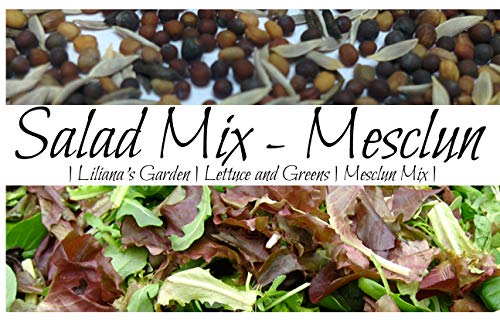
Yields and average of 180 salad leaf plants including varieties of arugula, endive, mustard greens, and more. Yields roughly 32 lbs of mature greens after just a full growing season, 40 days for baby greens.
Spring Planting
Spring is an excellent time to plant cool-season lettuce varieties in North Florida. Ideal planting occurs between late February and April, as temperatures are mild. Here are some tips for spring planting:
- Select Varieties: Choose Butterhead, Romaine, or Looseleaf lettuces. These types thrive in cooler weather.
- Monitor Soil Temperature: Soil temperatures should range from 50°F to 70°F. Use a soil thermometer to check.
- Planting Depth: Sow seeds about 1/4 to 1/2 inch deep. Space seeds 6 to 12 inches apart for optimal growth.
Spring planting allows you to enjoy fresh lettuce before the summer heat arrives.
Fall Planting
Fall offers another excellent window for planting lettuce. The ideal months for fall planting span from late September through December. Follow these guidelines for successful fall planting:
- Choose Your Varieties: Opt for the same cool-season types or experiment with some warm-season varieties like Crisphead.
- Timing is Key: Plant about 4 to 6 weeks before the first expected frost. This helps establish your crop before temperatures drop.
- Watering Schedule: Maintain consistent moisture, especially as temperatures fluctuate. Aim for 1 to 1.5 inches of water per week.
By planting in the fall, you can enjoy a fresh harvest even as temperatures cool down.
Common Challenges and Solutions
Growing lettuce in North Florida comes with its challenges. You can manage these hurdles by understanding pests and diseases and weather considerations.
Recommended Products


package height : 23.876 cm

Utilizes natural Bacillus thuringiensis to target and control caterpillar pests safely and effectively.
Pests and Diseases
Pests can significantly affect your lettuce crop. Common pests include aphids, slugs, and caterpillars.
- Aphids: These small insects suck plant sap, weakening your lettuce. Control them with insecticidal soap or introduce natural predators like ladybugs.
- Slugs: Slugs create holes in leaves. Use copper barriers or place beer traps to prevent them.
- Caterpillars: They can quickly defoliate plants. Handpicking or using Bacillus thuringiensis (Bt) can help manage their populations.
Diseases are also a concern. Downy mildew and lettuce drop are two notable threats.
- Downy Mildew: This fungal disease thrives in humid conditions. Ensure good air circulation and avoid wetting the foliage.
- Lettuce Drop: Fungus causes sudden plant wilting. Rotate crops each year and choose resistant varieties to minimize risk.
Weather Considerations
North Florida weather can be unpredictable. Key considerations include temperature fluctuations and excessive rainfall.
- Temperature: Lettuce thrives in cooler temperatures, ideally between 60°F and 70°F. Monitor local forecasts to anticipate heat waves, which can cause bolting. Shade cloth can mitigate heat stress during peak summer months.
- Rainfall: Heavy rains can lead to overwatering and disease. Raised beds improve drainage and help prevent root rot. Use mulch to regulate soil moisture.
By addressing pests, diseases, and weather, you enhance your chances of successful lettuce growth in North Florida.
Conclusion
Growing lettuce in North Florida can be a rewarding experience when you know the right timing and techniques. By planting cool-season varieties in the fall and spring and warm-season varieties as temperatures rise, you can enjoy fresh, crisp lettuce throughout the year.
Remember to keep an eye on your soil conditions and monitor the weather to ensure your plants thrive. With a little care and attention, you’ll soon be harvesting your own delicious lettuce right from your garden. Happy gardening!
Frequently Asked Questions
What types of lettuce can I grow in North Florida?
Lettuce in North Florida can be divided into cool-season and warm-season varieties. Cool-season types like Butterhead, Romaine, and Looseleaf do well in fall and spring, while warm-season varieties such as Crisphead, Green Butterhead, and Oakleaf are best for planting from late March through July.
When should I plant lettuce in North Florida?
In North Florida, plant cool-season lettuce between October and March, ideally from late February to April. For warm-season varieties, the best planting window is from late March through July, with fall planting recommended from late September to December.
What are the ideal growing conditions for lettuce?
Lettuce thrives in well-draining, loamy soil with a pH of 6.0 to 7.0, enriched with organic matter. It needs 6 to 8 hours of direct sunlight daily and about 1 to 1.5 inches of water weekly. Deep watering and mulching can help retain moisture.
How can I manage pests and diseases in my lettuce garden?
Control common pests like aphids, slugs, and caterpillars using natural methods, such as introducing beneficial insects or using row covers. To prevent diseases like downy mildew, ensure good air circulation, practice crop rotation, and maintain proper watering techniques.
What should I do during heat waves for my lettuce?
During heat waves, monitor local weather forecasts and use shade cloth to protect lettuce from heat stress. Raised beds can improve drainage during heavy rainfall, helping to avoid overwatering and disease. Lettuce thrives best in cooler temperatures of 60°F to 70°F.
