

Are you ready to grow your own crisp and tasty lettuce but unsure when to get started in Kentucky? You’re not alone! Many gardeners find it tricky to pinpoint the perfect planting time for this cool-season crop.
Key Takeaways
- Optimal Planting Times: In Kentucky, plant lettuce in spring (mid-March to late April) and fall (late July to early September) to take advantage of cooler temperatures for better growth and flavor.
- Soil & Temperature Requirements: Lettuce thrives in well-drained soil with a temperature range of 60°F to 70°F. Perform a soil test and amend with organic matter before planting.
- Frost Dates Awareness: Be informed of local frost dates to schedule indoor seeding and outdoor transplanting accurately, ensuring tender crops are protected from unexpected cold.
- Pest Management: Early planting can help avoid peak pest seasons, and using row covers can shield plants from insects while allowing necessary sunlight.
- Consistent Watering: Maintain a regular watering schedule, especially during dry periods, to ensure lettuce receives necessary moisture without wetting the foliage, which could lead to diseases.
- Seed Selection: Choose the right lettuce varieties for the season: Butterhead or Romaine for spring, and quick-growing Leaf or Looseleaf types for fall, to optimize growth and harvest quality.
Importance Of Timing In Planting Lettuce
Timing plays a crucial role in successfully growing lettuce. Understanding when to plant helps you maximize yield and maintain quality.
Optimal Planting Times
You can plant lettuce in two main seasons in Kentucky: spring and fall.
- Spring Planting: Start seeds indoors in late winter, around 4 to 6 weeks before the last frost, which typically occurs in mid-April. Transplant seedlings outdoors once temperatures consistently reach 50°F.
- Fall Planting: Sow seeds in late summer, approximately 6 to 8 weeks before the first frost, occurring in early to mid-November. This allows for cool weather growth, enhancing flavor and texture.
Temperature Considerations
Lettuce thrives in cooler temperatures. Ideal growth occurs between 60°F and 70°F. Planting outside these ranges can lead to premature bolting or bitterness. Monitor local weather conditions to ensure favorable temperatures.
Soil Preparation
Ensure soil quality by conducting a soil test. Lettuce prefers well-drained soil, rich in organic matter. Amend the soil with compost or well-rotted manure about two weeks before planting.
Pest Management
Timing protects lettuce from pests. Early planting helps avoid peak pest seasons. You can use row covers as a barrier against insects while allowing sunlight to reach your plants.
Watering Schedule
Establish a consistent watering routine. Lettuce requires regular moisture, especially in warmer months. Water at the base of the plants to prevent diseases associated with wet foliage.
Planning your planting schedule carefully boosts your success in growing lettuce in Kentucky. By focusing on timing, you increase your chances of enjoying a bountiful harvest.
Ideal Planting Seasons In Kentucky
Timing plays a vital role in successful lettuce cultivation in Kentucky. Proper planning enhances yield and quality, especially during spring and fall.
Recommended Products

Spring Planting
For spring planting, start seeds indoors about 4 to 6 weeks before the last expected frost. This allows seedlings to establish strong roots. Transplant outdoors once soil temperatures reach around 50°F. Aim to plant lettuce varieties like Butterhead or Romaine between mid-March and late April. These cool-season crops thrive in temperatures between 60°F and 70°F. Monitor nighttime temperatures; frost can damage tender seedlings, so be ready to cover them if needed. Early spring planting helps avoid issues like bolting due to heat.
Fall Planting
For fall planting, sow seeds directly in the garden from late July to early September. This timing allows lettuce to mature before the first frost, improving flavor and texture. Select varieties that grow quickly, such as Leaf or Looseleaf types. Keep an eye on temperature; lettuces prefer 60°F to 70°F, but can handle light frost. Using row covers can protect crops from unexpected cold snaps. Water consistently to maintain soil moisture, which is crucial during dry late summer days. Early fall planting can lead to a bountiful late-season harvest.
Factors Affecting Lettuce Planting
Lettuce planting in Kentucky involves several factors that directly influence your success. Understanding these elements helps ensure a bountiful harvest.
Recommended Products

4 Popular Heirloom Lettuce Varieties: Includes Red Romaine, Bibb Butterhead, Black Seeded Simpson, and Green Ice lettuce seeds to grow crisp, tender, and colorful salad greens with balanced flavor, texture, and visual appeal.

YEAR-ROUND GARDEN FAVORITE – Dependable butterhead lettuce that thrives in cool or moderate weather for consistent harvests from spring through fall, even under cover in winter
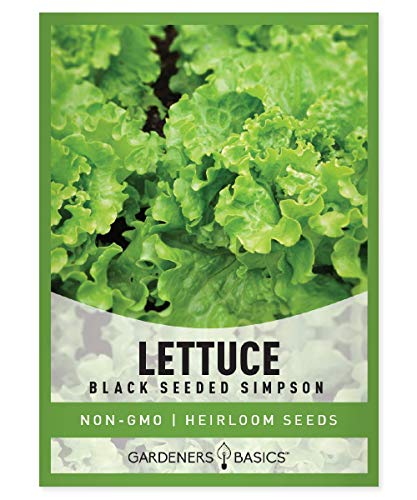
Black Seeded Simpson is a classic heirloom loose leaf lettuce with large, tender green leaves and a mild, sweet flavor. Harvest fresh leaves for salads, sandwiches, wraps, and other homegrown meals.
Soil Temperature
Soil temperature plays a vital role in determining when to plant lettuce. For optimal germination, soil temperatures should range between 40°F and 75°F. Aim for 50°F to 65°F to promote steady growth. You can use a soil thermometer to check temperatures before planting. If the soil is too cold, seeds may rot instead of sprouting, while high temperatures can lead to bolting. To warm up the soil, consider using black plastic mulch or row covers for early spring planting.
Frost Dates
Frost dates significantly affect your planting schedule. Kentucky typically experiences its last frost between mid-April and late April. Check your local frost date for accuracy. For spring planting, start seeds indoors 4 to 6 weeks before this last frost date, then transplant seedlings once the danger of frost passes. For fall planting, sow seeds 6 to 8 weeks before the first expected frost in late October to early November, ensuring ample time for your lettuce to mature. Tracking local weather forecasts helps you stay informed about any unexpected changes in frost dates.
Best Practices For Planting Lettuce
Planting lettuce successfully in Kentucky requires following specific practices to enhance growth and yield.
Recommended Products

Complete Lettuce Garden Starter Kit Indoor – 5 heirloom salad and green seed packets, 8 biodegradable soil disks, 8 plant markers, and 8 starter pots. Romaine, Spinach, Arugula, Kale and Buttercrunch lettuce heirloom seeds are the star of the set!
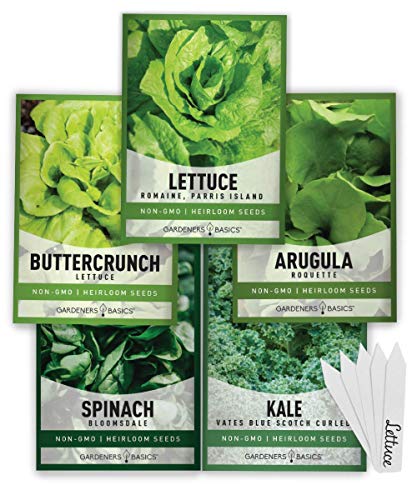
Five leafy greens varieties: Plant Parris Island romaine lettuce seeds, Buttercrunch lettuce seeds, Roquette arugula seeds, Vates Blue Scotch Curled kale seeds, and Bloomsdale spinach seeds. Includes 4,500+ seeds in five separate labeled packets.

Self-Watering System: No more over-watering or under-watering! You won't need to water frequently. The bottom of the seedling tray and capillary mat maintain ideal humidity, preventing over-watering or soil drying out. This promotes healthy root development, saves time and effort, and allows you to enjoy the fun of planting with ease.
Seed Selection
Choose lettuce varieties based on your planting season. For spring, select slower-growing varieties like Butterhead or Romaine. These thrive when planted between mid-March and late April. For fall crops, opt for quick-growing types such as Leaf or Looseleaf. These varieties work best from late July to early September, allowing them to mature before the first frost. Always consider heat tolerance, especially during mid-summer, as lettuce can bolt in high temperatures.
Transplanting Techniques
Transplanting involves careful steps for success. Start seeds indoors about 4-6 weeks before your last expected frost. Once seedlings reach 3-4 inches tall, harden them off by exposing them to outdoor conditions gradually over 7-10 days. This process helps them adapt to their new environment. Transplant them to the garden when soil temperatures hit 50°F. Space seedlings 10-12 inches apart to ensure adequate airflow and growth space. Use row covers for added warmth and protection against early frosts. Water immediately after transplanting to help the plants establish their roots.
Conclusion
Growing lettuce in Kentucky can be a rewarding experience when you time it right. By paying attention to the seasons and choosing the best varieties for each planting period you can enjoy fresh, crisp lettuce right from your garden.
Remember to monitor the weather and adjust your planting schedule accordingly. With a little care and attention to detail you’ll be well on your way to a bountiful lettuce harvest. Happy gardening!
Frequently Asked Questions
What is the best time to plant lettuce in Kentucky?
The ideal times for planting lettuce in Kentucky are in spring and fall. For spring, start seeds indoors before the last frost, typically between mid-March and late April. For fall, direct sow seeds from late July to early September.
Which lettuce varieties are recommended for Kentucky?
For spring planting, popular varieties include Butterhead and Romaine. In the fall, quick-growing types like Leaf or Looseleaf are recommended, as they mature before the first frost.
How should I prepare my lettuce seedlings for transplanting?
To prepare seedlings for transplanting, harden them off by gradually exposing them to outdoor conditions over a week. Ensure soil temperatures are between 50°F and 65°F for optimal growth.
What practices help ensure successful lettuce growth?
Monitor soil temperature, use row covers to protect from frost, and maintain consistent watering. Proper spacing is also essential to promote airflow and minimize disease.
When is the last frost date in Kentucky for planting?
The last frost date varies by location in Kentucky, but it generally falls between mid-April and late April. Check local gardening resources for more specific dates based on your area.
How can I protect my lettuce from frost?
Utilize row covers or cloches to shield your lettuce from unexpected frost. Monitoring weather forecasts will also help you take preventive measures when cold temperatures are predicted.
What is the significance of soil temperature for lettuce?
Soil temperature is crucial for lettuce growth, as it should ideally be between 50°F and 65°F. This range supports germination and steady growth, resulting in healthier and more productive plants.
