

Are you eager to grow your own fresh lettuce in Florida? Timing is everything when it comes to planting this leafy green. With Florida’s unique climate, knowing when to sow your seeds can make all the difference between a bountiful harvest and a disappointing garden.
Key Takeaways
- Ideal Planting Times: For spring planting, seeds should be sown from late January to early April, while fall planting is ideal from late August to early November in Florida.
- Optimal Temperature: Lettuce thrives best in temperatures between 60°F and 70°F; higher temperatures can cause bolting and bitterness.
- Soil Requirements: Use well-draining soil rich in organic matter with a pH of 6.0 to 7.0 for optimal growth; regular fertilization supports healthy development.
- Variety Selection: Consider growing different lettuce varieties such as Red Romaine, Butterhead, and Looseleaf for diverse flavors and textures in your garden.
- Consistent Watering: Aim for 1 to 1.5 inches of water per week, maintaining even moisture to prevent issues like root rot or bolting.
- Pest Management: Regularly inspect plants for pests, use organic methods for control, and implement companion planting to deter harmful insects from your lettuce crops.
Understanding Lettuce Growth Conditions
Lettuce thrives under specific conditions, especially in Florida’s diverse climate. Knowing these factors leads to healthier growth and a more fruitful harvest.
Ideal Temperature for Lettuce
Lettuce grows best in temperatures between 60°F and 70°F. In Florida, timing your planting aligns closely with the cooler months of fall and early spring. If temperatures rise above 80°F, lettuce may bolt, causing it to flower and turn bitter. Monitor local forecasts to determine the right planting window.
Soil Requirements for Lettuce
Lettuce prefers well-draining soil rich in organic matter. Aim for a soil pH of 6.0 to 7.0 for optimal nutrient absorption. Before planting, incorporate compost or aged manure to enhance soil fertility. Conduct a soil test to determine nutrient levels and amend as necessary. Regularly nourish your plants with a balanced fertilizer every few weeks during the growing season to support robust development.
Best Planting Times in Florida
Timing is key for growing lettuce in Florida. You can achieve a successful harvest by understanding the best planting windows.
Spring Planting Schedule
For spring planting, aim for late January to early April. Start seeds indoors in late January, then transplant them outdoors in mid-February. Lettuce thrives in cooler weather, so ensure daytime temperatures stay between 60°F and 70°F. Monitor the weather, as a late frost can harm young plants. This schedule allows for harvesting by late March through early June.
Fall Planting Schedule
For fall planting, plant seeds from late August to early November. Start seeds indoors in late August and transplant in mid-September. The cooler fall temperatures provide ideal conditions for growing lettuce, with harvests occurring from October through December. Ensure your plants receive plenty of sunlight, as shorter autumn days can impact growth.
Common Varieties of Lettuce
Lettuce comes in various types, each with unique flavors and textures. Knowing these varieties helps you choose the best options for your garden.
Recommended Products

4 Popular Heirloom Lettuce Varieties: Includes Red Romaine, Bibb Butterhead, Black Seeded Simpson, and Green Ice lettuce seeds to grow crisp, tender, and colorful salad greens with balanced flavor, texture, and visual appeal.

USDA Certified Organic by Oregon Tilth
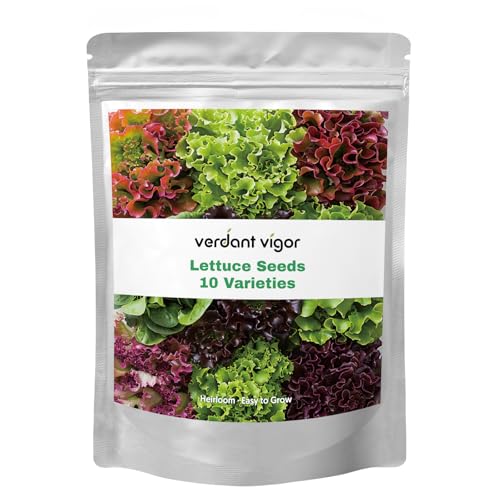
Healthy Food Source: Because of its tender flavor, lettuce is a popular vegetable for salad, sandwiches, wraps, soups, stir-fries and juice. There are over 20,000 seeds, 10 kinds of lettuce collection, including bibb, boston, iceberg, buttercrunch, grand rapids TBR, oakleaf, ruby leaf, cimmaron romaine and waldmann's
Leaf Lettuce Varieties
- Red Romaine: This variety features crisp, dark red leaves with a slightly sweet flavor, ideal for salads.
- Butterhead: Soft, buttery leaves provide a delicate texture, perfect for wraps or mixed salads.
- Looseleaf: Fast-growing and easy to harvest, looseleaf varieties range from green to red and add vibrant color to dishes.
- Oakleaf: Resembling oak leaves, this variety offers a mild taste and is excellent for salads or as a garnish.
- Iceberg: Known for its crunchy texture, iceberg lettuce holds up well in sandwiches and burgers.
- Romaine: Tall, sturdy leaves create a crisp texture, making romaine ideal for Caesar salads.
- Buttercrunch: This hybrid variety combines the best of butterhead and romaine, providing a sweet flavor with a firm texture.
- Little Gem: A mini romaine variety, it’s perfect for small spaces and yields crunchy leaves great for personal salads.
Selecting the right lettuce varieties enhances your gardening success in Florida, ensuring delicious harvests.
Tips for Successful Lettuce Cultivation
Successful lettuce cultivation involves careful attention to several key practices. Implementing effective watering and pest management strategies ensures healthy, flavorful plants.
Recommended Products
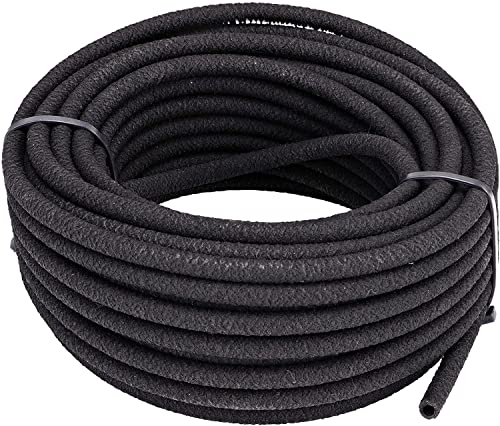
Slowly waters the soil around your plants for complete root zone hydration; Ideal for short runs on flat surfaces, such as vegetable gardens, borders, and around small plants

Higher Cost Performance Provide: enough length soaker hoses to get higher cost performance,and our 1/4 " diameter soaker hose set not only include 100 Ft length soaker hose but also include a rich range of accessories for a variety of uses,help you make custom length soaker hoses cheap & easy.

【Even & Consistent Root Watering】Features micro-pore seepage technology that distributes water evenly along the entire hose, transforming spot watering into uniform line watering directly to plant roots. Unlike traditional drip irrigation systems with clog-prone emitters, this soaker hose creates a continuous moisture band for healthier, deeper-rooted plants
Watering Practices
Water lettuce consistently to keep the soil moist but not soggy. Aim for about 1 to 1.5 inches of water per week, adjusting based on weather.
- Water early in the morning to reduce evaporation.
- Use drip irrigation or soaker hoses for efficiency.
- Monitor soil moisture with your finger; if the top inch feels dry, it’s time to water.
Lettuce thrives on even moisture, so avoid fluctuations. Overwatering can lead to root rot, while underwatering can cause stress and bolting.
Pest Management Strategies
Pests can damage your lettuce if not managed effectively. Implementing these strategies can minimize issues:
- Inspect plants regularly for aphids, snails, and slugs.
- Introduce beneficial insects like ladybugs to control aphid populations.
- Use organic insecticidal soap as a shield against pests.
Additionally, plant garlic or marigolds nearby to deter harmful insects. Rotate crops yearly to reduce pest buildup in the soil. Keep your garden tidy by removing debris that may harbor pests.
Conclusion
Timing’s everything when it comes to planting lettuce in Florida. By paying attention to seasonal changes and temperature fluctuations you can enjoy a bountiful harvest. Remember to choose the right varieties that suit your taste and climate.
With proper care including watering and pest management you’ll set yourself up for success. Your garden can be a vibrant source of fresh lettuce that adds flavor to your meals. So get ready to dig in and enjoy the fruits of your labor! Happy gardening!
Frequently Asked Questions
When is the best time to plant lettuce in Florida?
Planting lettuce in Florida is best done in the spring and fall. Spring planting typically occurs between February and April, while fall planting is ideal from September to November. Timing is crucial to ensure favorable temperatures and avoid high heat, which can lead to bolting.
What type of soil is best for growing lettuce?
Lettuce thrives in well-draining soil rich in organic matter. A mixture of compost and other organic materials helps retain moisture while allowing excess water to drain. Conducting a soil test can help determine the best amendments needed for optimal growth.
How often should I water my lettuce?
Watering should be consistent and tailored to the soil’s moisture level. Monitor the soil regularly; aim to keep it evenly moist but not soggy. Using drip irrigation is effective for providing steady moisture without overwatering.
What are the common lettuce varieties suitable for Florida?
Popular lettuce varieties for Florida include Red Romaine, Butterhead, and Iceberg. Each type offers unique flavors and textures that complement different dishes, making them a great choice for home gardens.
How can I prevent pests when growing lettuce?
To manage pests, regularly inspect your lettuce plants for any sign of infestation. You can introduce beneficial insects, use organic insecticidal soap, and plant garlic or marigolds nearby. Crop rotation and maintaining a clean garden help minimize pest problems effectively.
