

Wondering when the perfect time is to plant carrots in Zone 7? Picture this: you’re eager to start your vegetable garden, but unsure of the ideal planting schedule for those vibrant orange delights. Well, you’re in the right place! In this article, I’ll guide you through the best timing for planting carrots in Zone 7, ensuring a bountiful harvest that’ll make your gardening efforts truly rewarding.
Imagine effortlessly growing crisp, homegrown carrots that add a burst of freshness to your salads and recipes. By learning the optimal planting window for Zone 7, you’ll set yourself up for success and a plentiful yield of these nutritious root vegetables. Let’s dive in and uncover the secrets to planting carrots at the perfect time in your Zone 7 garden.
Understanding Zone 7 Climate
Zone 7 has a moderate climate with average minimum temperatures ranging from 0°F to 10°F. This region typically experiences all four seasons distinctly, providing a unique environment for growing a variety of crops, including carrots.
Carrots thrive in cool weather and are tolerant of light frost, making them suitable for planting in Zone 7. The key to successful carrot cultivation is timing your planting to coincide with the climatic conditions in this zone.
In spring, as the ground slowly warms up, it’s the perfect time to start planting your carrots. Ensure the soil has thawed and is workable before sowing the seeds. Additionally, make sure the soil temperature is above 45°F for optimal germination.
Understanding the climate of Zone 7 will help you make informed decisions about when to plant your carrots, maximizing your chances of a successful harvest.
Benefits of Planting Carrots at the Right Time
Planting carrots at the optimal time in Zone 7 can lead to various benefits that enhance the success of your crop. Let’s explore why planting carrots at the right time is crucial for a bountiful harvest.
- Early Development: Planting carrots when the soil conditions are just right allows for early germination and establishment of strong root systems, which are essential for producing healthy, robust carrots.
- Minimized Risks: By planting at the appropriate time, you can minimize the risk of poor germination, disease, or pest issues that may arise from planting too early or too late.
- Optimal Growth: Carrots planted at the right time benefit from favorable weather conditions that promote steady growth and development, leading to higher yields and better-quality produce.
- Extended Harvest: When you plant carrots at the optimal time, you can extend your harvest window, giving you a longer period to enjoy fresh, homegrown carrots throughout the growing season.
- Improved Flavor: Carrots planted at the right time often boast enhanced flavor, as they have had the chance to develop slowly and fully under ideal growing conditions.
- Efficient Resource Use: By planting at the right time, you ensure that your resources, such as water and nutrients, are effectively utilized by the carrots as they grow, leading to more efficient and sustainable cultivation practices.
Remember, the key to reaping these benefits lies in understanding the unique climate of Zone 7 and planting your carrots accordingly.
Ideal Timing for Planting Carrots in Zone 7
- Spring Planting: Begin planting carrots in Zone 7 in early spring when the soil temperature reaches 45-85°F, typically around March or April. This allows seeds to germinate in favorable conditions.
- Fall Planting: For a second carrot crop, consider planting in late summer to early fall, around August or September. Cooler temperatures in fall help carrots develop a sweeter flavor.
- Soil Conditions: Ensure the soil is well-drained, loose, and free of rocks to promote healthy root growth. Aim for a soil pH level between 6.0-6.8 for optimal carrot development.
- Seed Depth: Plant carrot seeds about 1/4 to 1/2 inch deep in rows spaced 12-18 inches apart. Thin seedlings to 2-3 inches apart once they reach a few inches in height.
Recommended Products

Sweet, Coreless Roots: Heirloom carrots with tender 9-10 inches orange taproots and high sugar content. Grow in 3-10 USDA zones. Great carrots seeds for planting in any home garden.

Sweet Scarlet Nantes Roots - Grow orange, nearly coreless carrots with a tender bite and classic cylindrical shape. Harvest roots around 6-7 inches for fresh garden snacks, salads, roasting, soups and juicing.
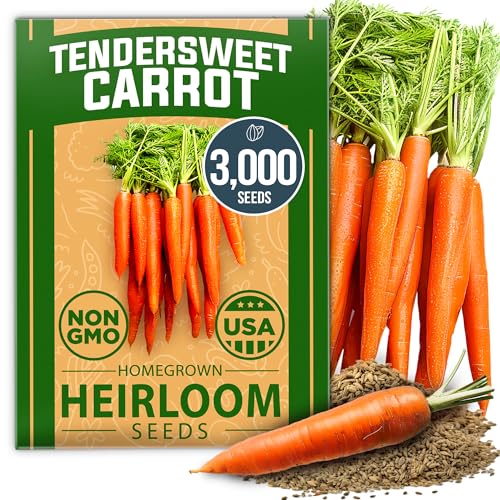
Premium Tendersweet Carrot Seeds: Authentic Open-Pollinated Premium Heirloom Seeds (USA) Non-GMO, Untreated, High Germination Rate. Phenomenal dessert Brix profile. High-impact carotene energy. An outstanding orange monolith for open ground, high ridges, and patio containers. Your garden bed is your pride.
Preparing the Soil for Carrot Planting
To ensure successful carrot growth, prepare your soil properly:
- Loosen the soil to at least 12 inches deep for efficient root penetration.
- Remove any rocks or debris that could obstruct root development.
- Ensure the soil is well-drained to prevent waterlogging, which could cause rot.
Test your soil:
- Use a pH meter to check that the soil falls within the 6.0-6.8 ideal range for carrot growth.
- If needed, amend the soil with compost to improve texture and fertility.
Avoid recently manured areas:
- Fresh manure can cause carrots to fork or develop hairy roots.
- Wait at least four months after manuring before planting to prevent issues.
Tips for Successful Carrot Growth
- Seeds Selection
Select high-quality carrot seeds from a reputable supplier.
Choose varieties suitable for your climate and growing conditions. - Planting Time
Plant carrots in early spring for a continuous harvest.
Avoid planting in hot summer months to prevent bitterness. - Soil Preparation
Ensure soil is loose, well-draining, and free of rocks or debris.
Amend soil with compost for nutrient-rich growing conditions. - Spacing and Depth
Plant seeds 1/4 inch deep and 1-2 inches apart.
Space rows 12-18 inches apart to allow for root development. - Watering
Keep soil consistently moist but not waterlogged.
Water deeply once a week to encourage strong root growth. - Weeding and Thinning
Regularly weed to prevent competition for nutrients.
Thin seedlings to 2-3 inches apart once they reach 2 inches tall. - Mulching
Mulch around plants to retain moisture and regulate soil temperature.
Use straw or compost for effective weed control. - Pest Management
Monitor for carrot flies and other pests.
Cover crops with row covers to protect against infestations. - Harvesting
Harvest carrots when they reach full size, typically 60-75 days after planting.
Gently pull carrots from the ground, starting with the largest ones.
| Timing: | Ideal Planting: | Harvest Time: |
|---|---|---|
| Early Spring | 60-75 days |
Conclusion
You now have all the essential knowledge to successfully plant carrots in Zone 7. Remember to choose high-quality seeds, prepare well-draining soil with compost, space seeds correctly, and maintain consistent watering. Don’t forget about weeding, thinning, mulching, and pest management throughout the growth cycle. By following these tips, you’ll be on your way to a bountiful carrot harvest in just a couple of months. Happy planting!
Frequently Asked Questions
What is the best time to plant carrots?
Carrots should be planted in early spring for optimal growth and development, typically between March and April.
How long does it take for carrots to be ready to harvest?
Carrots are usually ready to harvest in 60-75 days from the time of planting, depending on the variety and growing conditions.
How can I protect my carrot plants from pests like carrot flies?
To protect carrot plants from pests like carrot flies, consider using row covers to prevent infestation and regularly inspecting plants for signs of pests.
What are the key factors for successful carrot growth?
Successful carrot growth relies on factors such as selecting quality seeds, well-draining soil, proper spacing, consistent watering, mulching, managing pests, and timely harvesting.
Should I plant carrots in the hot summer months?
It is best to avoid planting carrots in hot summer months, as the heat can impede growth and negatively impact the quality of the carrots.
