

Wondering when the best time is to plant those crunchy, vibrant carrots in your Oklahoma garden? Picture this: the sun shining, a gentle breeze, and rows of fresh, homegrown veggies. When should you get those carrot seeds in the ground to ensure a bountiful harvest? This article has the answers you need to make your garden dreams a reality.
Imagine stepping outside to your backyard and plucking juicy, homegrown carrots straight from the earth. By knowing the ideal planting times for Oklahoma, you can turn this vision into a delicious reality. With the right timing and a little know-how, you’ll soon be enjoying the sweet rewards of your own carrot patch.
In this article, you’ll discover the precise timing for planting carrots in Oklahoma, ensuring a successful and satisfying growing season. Get ready to dive into the world of gardening and unlock the secrets to cultivating perfect carrots in your own backyard.
Best Time to Plant Carrots in Oklahoma
To achieve a successful carrot harvest, it’s crucial to plant them at the right time in Oklahoma. Here’s a breakdown of the best time to plant carrots in your Oklahoma garden:
- Spring Planting:
- In Oklahoma, late February to mid-March is an ideal time to plant carrots.
- Soil temperatures between 50-85°F are optimal for seed germination.
- Ensure the soil is well-drained and free from rocks to promote healthy root development.
- Fall Planting:
- For a fall harvest, plant carrots in late summer, around late July to early August.
- Carrots thrive in cooler weather, making fall planting perfect for sweet and crisp carrots.
- Water the seeds regularly to keep the soil moist but not waterlogged.
Carrots require 6-10 hours of sunlight daily, so choose a sunny spot in your garden for planting. By following these planting guidelines in Oklahoma, you’ll soon enjoy a bountiful harvest of delicious, homegrown carrots right from your backyard.
Recommended Products

PRECISE SOIL TEMPERATURE READINGS: Measures soil temperatures from 20 degrees F to 180 degrees F (0 degrees C to 80 degrees C) with a large, easy-to-read analog dial face - no batteries or digital screens needed for reliable results every time

Easy-to-read green, yellow, and red tick marks for easy monitoring

Sweet Scarlet Nantes Roots - Grow orange, nearly coreless carrots with a tender bite and classic cylindrical shape. Harvest roots around 6-7 inches for fresh garden snacks, salads, roasting, soups and juicing.
Factors to Consider for Carrot Planting
When planting carrots in Oklahoma, there are several important factors to keep in mind to ensure a successful harvest:
- Soil Temperature: Carrots thrive in cool soil, with the ideal temperature range for planting being between 45°F and 85°F.
- Sunlight: Choose a planting spot that receives full sun to partial shade, ensuring your carrots get at least 6 hours of sunlight daily.
- Drainage: Opt for well-draining soil to prevent waterlogging, which can cause carrots to rot.
- Soil Quality: Carrots prefer loose, well-aerated soil with a pH level between 6.0 and 6.8 for optimal growth.
- Companion Plants: Consider planting carrots alongside onions, leeks, or lettuce to naturally repel pests and boost growth.
- Planting Depth: Sow carrot seeds ¼ to ½ inch deep in rows spaced 12 inches apart for proper air circulation.
- Watering: Keep the soil consistently moist but not soggy, aiming for about 1 inch of water per week.
- Mulching: Apply a 2-inch layer of mulch around plants to retain moisture, regulate soil temperature, and reduce weed growth.
Following these guidelines will set you up for a bumper carrot crop in your Oklahoma garden.
Optimal Growing Conditions for Carrots in Oklahoma
When it comes to planting carrots in Oklahoma, optimal growing conditions play a crucial role in ensuring a successful harvest. Here are some key factors to keep in mind:
- Soil Temperature: Carrots prefer cooler soil temperatures for germination, ideally between 50°F to 85°F.
- Sunlight: Ensure your carrot patch receives at least 6-8 hours of sunlight daily for healthy growth.
- Drainage: Carrots thrive in well-draining soil to prevent rot and fungal diseases.
- Soil Quality: Aim for loose, friable soil with good aeration to allow carrots to develop straight and long.
- pH Levels: Carrots prefer slightly acidic to neutral soil, with an optimal pH of 6.0-6.8.
- Companion Plants: Consider planting carrots near onions, leeks, or chives to help repel pests and promote growth.
- Planting Depth: Sow carrot seeds 1/4 to 1/2 inch deep in the soil for best results.
- Watering: Ensure consistent moisture levels by watering evenly to prevent carrot cracking.
- Mulching: Mulch around your carrot plants to retain moisture, regulate soil temperature, and suppress weeds.
By taking these factors into account, you can create an ideal environment for your carrots to thrive and yield a bountiful harvest.
Recommended Products

Kindly NOTE: This soil tester can not be applied to test pH value of any other liquid. If the soil is too dry the indicator will not move, and water it before testing.

Quick, at home results for Soil pH, Nitrogen, Phosphorous and Potash Innovative and inexpensive soil test kit features an easy-to-use capsule system and patented color comparators
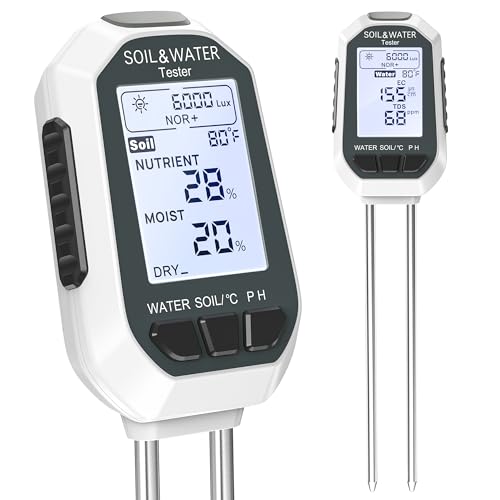
【7-in-1 Features】This is a 7-in-1 multi-function soil tester. Our soil tester quickly measures soil moisture, pH, temperature and light intensity, and its fertility function helps you take better care of your plants. With this device you can measure the soil moisture, pH, temperature and light intensity for your plants and with the EC and TDS functions you will know when it is time to water the soil.
Tips for Maximizing Carrot Yield
When planting carrots in Oklahoma, maximizing your yield is essential for a successful harvest. Here are some practical tips to help you achieve the best results:
- Spacing: Ensure that you space your carrot seeds properly to allow room for growth and development. Aim for 2-3 inches between each seed.
- Thinning: Once your carrot seedlings have sprouted, thin them out to prevent overcrowding. Thin to 1-2 inches apart for healthier carrots.
- Weeding: Regularly weed your carrot patch to remove competing plants that can hinder carrot growth and nutrient absorption.
- Consistent Watering: Carrots require consistent moisture for optimal growth. Water your carrots 1-2 inches per week, especially during dry spells.
- Fertilization: Avoid excessive nitrogen fertilizers, as this can lead to forked or misshapen carrots. Opt for a balanced fertilizer to provide essential nutrients.
- Pest Control: Implement companion planting with plants like onions and garlic to deter pests that can harm your carrots.
- Harvesting: Know when to harvest your carrots based on their variety. Most carrots are ready for harvest 60-80 days after planting.
By following these Tips for Maximizing Carrot Yield, you can ensure a bountiful harvest of delicious, home-grown carrots in your Oklahoma garden.
Conclusion
Now that you have all the essential tips for planting and caring for carrots in Oklahoma, you’re on your way to a bountiful harvest. Remember to space them properly, keep up with watering, and control pests effectively. By following these guidelines, you can enjoy the satisfaction of growing your own delicious carrots right in your backyard. Happy planting!
Frequently Asked Questions
1. What are some tips for maximizing carrot yield in Oklahoma?
Plant carrots with proper spacing, thin them as they grow, weed regularly, water consistently, fertilize appropriately, use companion plants for pest control, and harvest based on variety to maximize yield.
2. Why is proper spacing important when planting carrots in Oklahoma?
Proper spacing allows room for carrots to grow to maturity without competing for resources, resulting in larger and healthier yields.
3. How can companion planting help with pest control when growing carrots in Oklahoma?
Companion planting involves growing certain plants together to naturally repel pests that may harm carrots, reducing the need for chemical pesticides.
