

Have you ever wondered when the perfect time to harvest arugula is? If you’ve grown this peppery green in your garden, you know how tempting it is to pick it early and enjoy its fresh flavor. But timing matters more than you might think.
Key Takeaways
- Understanding Growth Stages: Arugula progresses through key stages—seedling, leaf development, mature growth, and bolting—each impacting the ideal harvest time.
- Characteristics of Mature Arugula: Ready-to-harvest arugula features leaves measuring 3-6 inches, a vibrant green color, intensified peppery flavor, and tender, crispy texture.
- Signs of Readiness: Look for leaves that are at least 2-4 inches long and vibrant green; be wary of yellowing leaves and flower buds as indicators to harvest promptly.
- Best Harvesting Practices: Use sharp tools, harvest in the morning, cut the outer leaves first, and monitor plant growth to ensure ongoing production and peak flavor.
- Timing Considerations: Favor cooler seasons—spring and fall—for harvesting; adjust timing based on local climate conditions to avoid bolting.
- Growth Rate Monitoring: Watch for growth rate variations and practice selective harvesting to prolong the produce life and maintain a steady supply of fresh arugula.
Understanding Arugula Lettuce
Arugula lettuce, known for its peppery flavor, grows quickly and provides delightful greens for salads and dishes. Knowing its growth stages and characteristics helps you determine the right time for harvesting.
Growth Stages of Arugula
- Seedling Stage: After planting, seeds germinate within 5-10 days. Young, tender leaves appear, signaling the beginning of new growth.
- Leaf Development: In 2-3 weeks, you’ll see larger, more pronounced leaves. These are still edible, providing mild flavor.
- Mature Growth: At 4-6 weeks, arugula reaches maturity. The leaves develop their characteristic peppery taste, ideal for harvesting.
- Bolting Stage: If you let it grow longer, arugula may bolt, producing flowers. Once this happens, the leaves turn bitter and lose their desirable taste.
Characteristics of Mature Arugula
Mature arugula showcases several distinctive features.
- Leaf Size: Leaves measure 3-6 inches long and have a lobed, jagged shape.
- Color: Mature leaves exhibit a vibrant green hue, demonstrating optimal health.
- Flavor: The pepperiness intensifies as the leaves mature, perfect for adding boldness to your meals.
- Texture: Leaves become tender yet slightly crispy, making them satisfying to eat.
Harvesting at the right time guarantees flavorful greens. Keep an eye on these characteristics to enjoy the best flavor and texture from your arugula lettuce.
Signs That Arugula Is Ready to Harvest
Identifying when arugula is ready for harvest ensures you enjoy its best flavor and quality. Several clear indicators signal the right time for picking.
Recommended Products

The blades are made of Japanese high-quality stainless steel and rounded outside edges to protect and reduce product or stem damage.

Chop Salad in the Bowl: These salad chopper scissors turn a bowl of lettuce and toppings into a finely chopped salad. The salad cutter tool has a curved anti-splash head and needs no chopping board

【Multifunctional Salad Scissors】Our pampered chef stainless steel salad scissors are designed with an ergonomic handle that provides a comfortable and non-slip grip, making it easy to chop fruits and vegetables directly or in the salad bowl. The high-grade stainless steel blades with micro-serrated edges make it easy to work as a salad chopper, and the versatile design allows you to quickly chop lettuces, tomatoes, and fruits without the need for sharpening a knife.
Leaf Size and Color
Look for leaves that are at least 2 to 4 inches long. This size indicates they’re mature enough for harvesting. The optimal color appears vibrant green. Leaves that turn yellow suggest they may be overripe or stressed. Harvesting should occur before the leaves become tough and bitter. Regular monitoring helps you pick at the ideal stage for peak flavor.
Flowering Indicators
Keep an eye out for flower buds. Once the plants start forming flower stalks, they’re nearing the end of their life cycle. You’ll notice elongated stems with small flower buds. At this point, the leaves may lose their tenderness and flavor. Harvesting should happen before flowering begins for the best taste. If you see buds, pick the leaves immediately to maintain quality.
Best Practices for Harvesting Arugula
Harvesting arugula at the right time maximizes flavor and quality. Follow these best practices to ensure a successful harvest.
Recommended Products
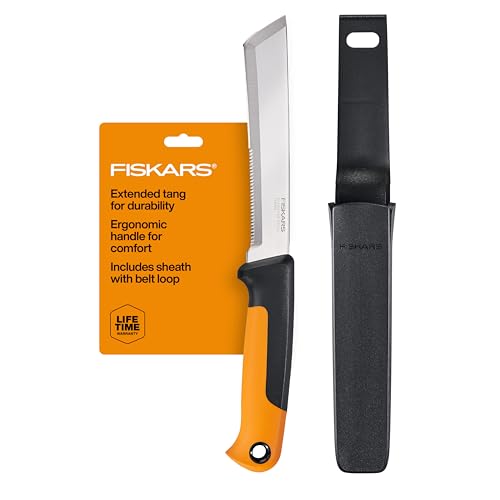
IDEAL FOR HARVESTING: Includes (1) Fiskars Harvesting Knife with hard plastic sheath and belt loop; perfect for thick stalks and stems, ensuring clean and precise cuts with ease in vegetable gardens and orchards; backed by a Lifetime Warranty

Efforts-Saving Design -- The energy-saving damping spring design brings comfortable spring force to your cutting action, reduces the burden on your hands, and can adapt to long-term work. These snips great for those with arthritis, carpal tunnel, hand or wrist issues. The point is extra long and sharp so you can reach in tights spots to cut your succulents of plants.

【PERFECT FOR FORAGING & GARDENING】The mushroom harvesting knife is designed to meet the needs of outdoor mushroom picking and cleaning. The handle of the knife is printed with a scale so that the size of the mushroom can be better measured.
Tools Needed for Harvesting
- Sharp Knife or Scissors: Use a sharp cutting tool to avoid damaging the plant.
- Basket or Container: Collect freshly cut arugula leaves in a breathable container to maintain freshness.
- Gloves: Consider wearing gloves to protect your hands from any irritants.
- Choose the Right Time: Harvest arugula in the morning when temperatures are cooler, as this preserves leaf freshness.
- Cutting Method: Cut leaves just above the base, leaving a small portion of the plant intact. This encourages regrowth.
- Selective Harvesting: Pick the outer leaves first to allow the inner leaves to continue growing, ensuring multiple harvests.
- Monitor Growth: Regularly check plants for growth and flavor. Harvest when leaves reach 2 to 4 inches in length and have a vibrant green color.
- Avoid Overripe Leaves: Stay vigilant for yellowing leaves, as these indicate overripeness and bitterness. Harvest promptly to maintain quality.
Timing Considerations for Harvesting Arugula
Harvesting arugula at the right time ensures optimal flavor and quality. Timing depends on several factors, including the season, climate, and the growth rate of your plants.
Season and Climate Impact
Season plays a vital role in determining when to harvest arugula. Cool weather promotes the best flavor; therefore, spring and fall are ideal seasons. In warmer climates, arugula thrives during cooler months, as heat can cause the plant to bolt quickly. If temperatures rise above 75°F, watch for signs of flowering, indicating it’s time for an early harvest.
For those in varying climates, adjust your harvest schedule accordingly. During late spring, check for leaf size and color. Freshly grown leaves should be vibrant green and at least 2 to 4 inches long. In areas with cooler temperatures, you may enjoy a longer harvesting window.
Growth Rate Variations
Growth rates can vary among arugula varieties and play a crucial part in your harvesting timeline. Generally, arugula reaches maturity in 40 to 50 days after planting. Monitor your plants closely during this period.
If you notice rapid growth, harvesting might be necessary sooner. Factors like soil quality and watering also impact growth rates. For example, well-draining soil and consistent moisture promote faster growth.
To maintain ongoing production, practice selective harvesting. Start with the outer leaves, allowing inner leaves to mature. This approach gives you multiple harvests from the same plant, ensuring a continuous supply of fresh arugula for your salads and dishes.
Conclusion
Harvesting arugula at the right time can make all the difference in flavor and quality. Keep an eye on your plants and look for those vibrant green leaves that are about 2 to 4 inches long. Remember to check for any signs of bolting or yellowing leaves to ensure you’re picking at peak freshness.
Using the right tools and techniques will help you enjoy multiple harvests while keeping your plants healthy. By staying attentive to your arugula’s growth and adjusting your harvesting practices based on the season and climate, you’ll have a continuous supply of this delicious green. Enjoy your gardening journey and the flavorful rewards that come with it!
Frequently Asked Questions
When is the best time to harvest arugula?
Harvest arugula in the morning when temperatures are cooler. Look for leaves that are 2 to 4 inches long and vibrant green for optimal flavor. This timing helps ensure better taste and quality.
What are the signs that arugula is ready for harvest?
Arugula is ready to harvest when the leaves are 2 to 4 inches long, vibrant green, and tender. Avoid leaves that are yellowing or tough, as these indicate overripeness.
How do I harvest arugula without damaging the plant?
Use a sharp knife or scissors to carefully cut the leaves, ensuring minimal damage to the plant. Collect the leaves in a breathable container to maintain freshness.
Can I harvest arugula multiple times?
Yes! Practice selective harvesting by cutting the outer leaves first, allowing the inner leaves to continue growing. This method provides a continuous supply of fresh arugula.
What factors influence the timing of arugula harvest?
Harvest timing is influenced by season, climate, and growth rate. Cooler weather in spring and fall promotes better flavor, while warmer temperatures lead to quicker bolting. Adjust your harvest schedule based on these factors.
