

Are you eager to savor the juiciest, homegrown tomatoes in Texas? Picture this: it’s a warm summer evening, and you’re plucking ripe tomatoes from your garden for a fresh salad. But when is the best time to start growing these flavorful gems in the Lone Star State?
Navigating the optimal planting season for tomatoes in Texas can be a game-changer for your harvest. In this article, we’ll guide you through the ideal timing to sow your tomato seeds and nurture them into robust plants that yield bountiful crops.
Key Takeaways
- Best Time to Plant Tomatoes in Texas: Understand the diverse climate zones, spring planting timeline, and fall considerations for optimal growth.
- Preparing for Tomato Planting: Choose suitable tomato varieties, prepare soil with proper pH levels and organic matter, and fertilize adequately for a successful harvest.
- Planting Techniques for Success: Decide between direct sowing or transplanting seedlings, ensure consistent watering without overwatering, and maintain plants by inspecting for pests and diseases.
- Common Challenges When Growing Tomatoes in Texas: Be aware of pests like hornworms and aphids, diseases such as early blight and blossom end rot, manage heat stress with adequate watering, mulching, shading, and consider drip irrigation for efficient water usage.
Best Time to Plant Tomatoes in Texas
When considering the best time to plant tomatoes in Texas, it’s crucial to understand the state’s diverse climate zones, spring planting timeline, and fall considerations. By aligning your tomato planting schedule with these factors, you can optimize growth and ensure a bountiful harvest.
Understanding Texas’s Climate Zones
In Texas, the climate varies significantly across different regions, categorized into several distinct zones. Each zone has its unique temperature ranges and weather patterns that directly impact plant growth. Before planting tomatoes, familiarize yourself with your specific climate zone to determine the most suitable timing for optimal results.
Spring Planting Timeline
For most regions in Texas, spring is the ideal time to plant tomatoes. As temperatures begin to warm up after the winter chill subsides, typically between late February and April depending on your location, it signals the perfect opportunity to start your tomato plants outdoors. Ensure that all chances of frost have passed before transplanting seedlings or sowing seeds directly into the soil for a successful growing season.
Fall Considerations
In some parts of Texas where summers can be scorching hot, fall presents another window for planting tomatoes. As temperatures start to cool down post-summer heatwaves around September through October, you can take advantage of this milder weather to establish new tomato plants or extend the harvest of existing ones. Keep an eye on frost advisories towards late fall and consider protective measures if needed to safeguard your plants from unexpected cold snaps.
By syncing your tomato planting schedule with Texas’s climate zones and leveraging both spring and fall planting opportunities, you can maximize your chances of cultivating thriving tomato plants that yield delicious fruits throughout the growing season.
Preparing for Tomato Planting
To ensure a successful tomato harvest in Texas, it’s crucial to prepare adequately before planting. Here are essential steps to help you get ready:
Recommended Products

Kindly NOTE: This soil tester can not be applied to test pH value of any other liquid. If the soil is too dry the indicator will not move, and water it before testing.

Accurate Soil pH Testing: Dewildetradingco Soil pH Test Strips offer measurements of soil pH levels (pH 3.5-9). As an essential tool for every gardener and grower, these test strips help determine the optimal pH for various plants, such as outdoor plants, indoor plants, gardens, grass lawns, fruit trees, flowers, vegetables, and forest shrubs.

Comprehensive Soil Analysis: Liquid soil test kits offer a comprehensive analysis of essential soil parameters, including pH, ammonia, nitrogen, phosphorus, and potassium. Having all these measurements in one kit provides a holistic understanding of the soil's fertility and health.
Choosing the Right Tomato Varieties
Selecting the appropriate tomato varieties is key to a successful harvest. In Texas, consider factors such as heat tolerance, disease resistance, and fruit size when choosing your plants. Some popular varieties that thrive in Texas include ‘Celebrity,’ ‘Sun Gold,’ and ‘Big Beef.’
Soil Preparation and Fertilization
Before planting your tomatoes, make sure to prepare the soil properly. Test the soil pH levels and amend it with organic matter like compost or aged manure to improve fertility. Additionally, fertilize the soil with a balanced fertilizer high in phosphorus to promote root development and fruit production.
By following these steps and selecting suitable tomato varieties while preparing your soil adequately, you’ll set yourself up for a bountiful tomato harvest in Texas.
Planting Techniques for Success
When it comes to planting tomatoes in Texas, using the right techniques can make a significant difference in your harvest. Here are some essential tips to help you succeed:
Recommended Products

【Upgraded Tube Design & Water Saving】 Our garden watering system is upgraded to 1/2” diameter to support high water pressure. The 1/2” tee connector allows seamless splitting into 2 independent zones for customized watering schedules. By delivering moisture directly to root zones, this drip Irrigation system significantly reduces evaporation and runoff—saving more water compared to conventional sprinklers while eliminating the need for manual watering.

NO MORE HARD INSTALLATION - SET UP IN MINUTES. Tired of struggling with stiff barbed fittings? This drip irrigation system features quick-connect fittings that let you push, lock, and secure tubing effortlessly. No tools, no leaks, just a smooth setup experience. Enjoy a frustration-free installation and get your garden watering system running in minutes.
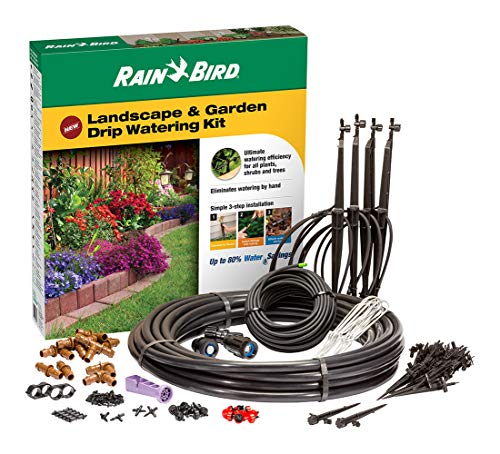
Comprehensive 108-piece kit for flower beds, gardens and landscaped areas; eliminates hand watering, saves time and money
Direct Sowing vs. Transplanting
When deciding how to plant your tomatoes, consider whether to sow seeds directly into the ground or transplant seedlings. Direct sowing involves planting seeds directly outdoors once the soil has warmed up in spring. On the other hand, transplanting seedlings allows you to start with more developed plants, giving them a head start before the growing season.
Watering and Maintenance Tips
Proper watering and maintenance are key factors in tomato cultivation success. Tomatoes need consistent moisture but can be susceptible to overwatering. Ensure your plants receive about 1-1.5 inches of water per week, either through rainfall or irrigation. Mulching around the plants can help retain soil moisture and prevent weeds.
Regularly inspect your tomato plants for pests and diseases, especially common issues like aphids or fungal infections. Prune any yellowing or diseased leaves promptly to prevent further spread.
By following these planting techniques and maintenance tips, you’ll be on your way to cultivating healthy tomato plants that thrive in Texas’s climate and provide a bountiful harvest throughout the season.
Common Challenges When Growing Tomatoes in Texas
Texas’s unique climate presents specific challenges when growing tomatoes. By being aware of these common issues, you can take proactive measures to ensure a successful tomato harvest.
Recommended Products

ORGANIC PLANT FOOD: This liquid fertilizer for tomatoes & vegetables provides nutrients to ensure superior results.

Folding Technology

Dealing with Pests and Diseases
Tomatoes in Texas are susceptible to various pests and diseases that can hinder plant growth and reduce fruit yield. Common pests include hornworms, aphids, and whiteflies, while diseases like early blight and blossom end rot can affect the plants. To mitigate these risks:
- Inspect Your Plants Regularly: Check your tomato plants frequently for any signs of pest infestation or disease development.
- Practice Crop Rotation: Avoid planting tomatoes in the same area year after year to reduce the buildup of pests and pathogens in the soil.
- Use Organic Pest Control Methods: Consider using natural remedies like neem oil or introducing beneficial insects to control pest populations.
- Choose Resistant Varieties: Opt for tomato varieties that are resistant to common diseases prevalent in Texas.
Managing Heat and Drought
The hot Texas climate poses challenges related to heat stress and drought conditions for tomato plants. To help your tomatoes thrive despite these conditions:
- Provide Adequate Watering: Ensure your tomato plants receive sufficient water, especially during dry periods, to prevent heat-induced wilting.
- Mulch Your Plants: Mulching helps retain soil moisture, regulates soil temperature, and reduces evaporation rates.
- Shade Your Plants: Protect your tomato plants from excessive heat by providing shade during the hottest parts of the day.
- Consider Drip Irrigation: Implementing drip irrigation systems can deliver water directly to the plant roots, promoting efficient water usage.
By addressing these common challenges effectively, you can set yourself up for a successful tomato-growing season in Texas.
Conclusion
Now that you’ve learned about the optimal timing for growing tomatoes in Texas, as well as essential preparation steps and strategies to overcome common challenges like pests, diseases, heat, and drought, you’re well-equipped to cultivate a successful tomato harvest. By selecting suitable varieties, preparing your soil effectively, implementing pest control measures, and providing adequate care such as watering and mulching, you can ensure your tomatoes thrive in the Texan climate. Remember to consider both spring and fall planting seasons while following these guidelines. With these insights in mind, you’re on your way to enjoying a bountiful tomato crop that will reward your efforts in the Lone Star State. Happy gardening!
Frequently Asked Questions
When is the best time to plant tomatoes in Texas?
In Texas, it’s best to plant tomatoes in late February through early March for spring planting and late August through early September for fall planting.
How do I prepare the soil for planting tomatoes?
Prepare the soil by adding organic matter like compost or aged manure, ensuring good drainage, and maintaining a slightly acidic pH level between 6.0 and 6.8.
What are some common challenges when growing tomatoes in Texas?
Common challenges include pests like aphids and diseases like fungal infections due to high humidity, as well as coping with extreme heat and drought conditions.
How can I manage pests and diseases when growing tomatoes in Texas?
Practice crop rotation, use organic pest control methods like neem oil or insecticidal soap, choose disease-resistant tomato varieties, and monitor plants regularly for early signs of issues.
What are some tips for watering tomatoes effectively in the hot Texas climate?
Water deeply but infrequently to encourage deep root growth, mulch around plants to retain moisture, provide shade during peak sun hours, and consider drip irrigation systems for efficient watering.
