

Are you eager to grow your own fresh lettuce in Georgia but unsure when to start? You’re not alone! Many gardeners face the challenge of timing their planting to get the best yield.
Key Takeaways
- Optimal Planting Seasons: In Georgia, the ideal times to plant lettuce are in early spring (March to April) and late summer (mid-August to September) to avoid heat stress and bolting.
- Soil Requirements: Lettuce grows best in well-drained, fertile soil with a pH between 6.0 and 7.0; incorporating organic matter like compost can enhance soil fertility.
- Temperature Management: Aim to maintain cooler temperatures (55°F to 70°F) for lettuce to thrive, and use shade cloth during extreme heat to protect seedlings.
- Variety Selection: Choose lettuce types such as romaine and leaf lettuce that are suitable for Georgia’s climate, ensuring better yields and diverse flavors.
- Pest and Weather Challenges: Monitor for pests like aphids and use beneficial insects for natural pest control; be prepared for weather fluctuations by using protective measures against heat and frost.
Understanding Lettuce Growing Conditions
Growing lettuce in Georgia requires understanding specific conditions for optimal development. Focus on soil quality and climate preferences for a successful harvest.
Recommended Products

Quick, at home results for Soil pH, Nitrogen, Phosphorous and Potash Innovative and inexpensive soil test kit features an easy-to-use capsule system and patented color comparators

KNOW BEFORE YOU GROW | Grow the healthiest, sustainable lawn and garden with the most accurate and easy to use professional soil test kit on the market

Comprehensive Soil Analysis: Liquid soil test kits offer a comprehensive analysis of essential soil parameters, including pH, ammonia, nitrogen, phosphorus, and potassium. Having all these measurements in one kit provides a holistic understanding of the soil's fertility and health.
Soil Requirements
Lettuce thrives in well-drained, fertile soil. Aim for a pH level between 6.0 and 7.0. This range helps maximize nutrient availability. Incorporating organic matter like compost enhances soil structure and fertility.
- Test your soil before planting. Kits are available at gardening stores.
- Improve drainage by mixing in sand or perlite.
- Maintain moisture in the soil but avoid waterlogged conditions. Routine watering helps keep the soil consistently moist.
Climate Preferences
Lettuce prefers cooler temperatures, flourishing best between 55°F and 70°F. Georgia’s climate presents unique challenges due to potential heat stress.
- Plant in early spring or late summer for fall harvest.
- Use shade cloths during peak summer heat to protect seedlings.
- Monitor daytime temperatures, as extreme heat can cause bolting, leading to bitter leaves.
With proper soil conditions and temperature management, you can enjoy a thriving lettuce crop in Georgia.
Optimal Growing Seasons in Georgia
Lettuce grows best during specific seasons in Georgia. Understanding the optimal planting times ensures healthy plants and a bountiful harvest.
Spring Planting Dates
Aim to plant lettuce in early spring, typically between March and April. Starting seeds indoors 4–6 weeks before the last frost date helps kickstart growth. In Georgia, the last frost usually occurs around mid-April. Once temperatures consistently reach between 55°F and 70°F, you can transplant seedlings outdoors. For direct seeding, ensure soil conditions are suitable, as cooler temperatures encourage strong root development.
Fall Planting Dates
For fall planting, target late summer to early fall. Sow seeds from mid-August to September, allowing time for growth before the first frost. Lettuce thrives in cooler temperatures, so planting during this window helps avoid the heat of summer, which can lead to bolting. Keep an eye on weather forecasts; if frost is expected, cover seedlings with frost cloth or mulch to protect them.
Types of Lettuce Suitable for Georgia
Georgia’s climate supports several varieties of lettuce, making it simple to grow fresh greens at home. Choosing the right type ensures better yields and a more enjoyable growing experience.
Recommended Products
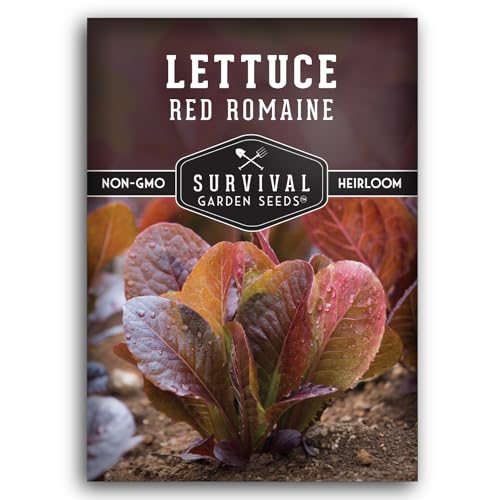
RED ROMAINE SEEDS FOR PLANTING – Striking lettuce has burgundy-to-ruby red leaves with crisp green hearts create a bold contrast in the garden and add vibrant color and flavor to Caesar salad and other dishes

Red Romaine: Features vibrant red-tinged leaves with green bases, offering a mild, slightly sweet flavor and crisp texture ideal for salads and garnishes.

🥬 Heat-Tolerant Upright Romaine: Jericho Romaine Lettuce (Lactuca sativa) forms tall, sturdy heads with crisp ribs and tender, mildly sweet leaves. Known for its strong heat tolerance compared to many romaine varieties, it grows 18–24 inches tall and delivers reliable harvests in extended spring and early summer conditions.
Romaine Lettuce
Romaine lettuce thrives in Georgia’s cooler temperatures but can adapt to warm weather with the right care. This variety offers a crunchy texture and rich flavor, making it ideal for salads and sandwiches.
- Ideal Growing Conditions: Plant romaine in early spring (March to early April) or late summer (mid-August to September) to avoid excessive heat.
- Soil Requirements: Aim for well-drained, fertile soil with a pH of 6.0 to 7.0.
- Watering Tips: Keep the soil consistently moist, ensuring drainage to prevent root rot.
Leaf Lettuce
Leaf lettuce is another great choice for Georgia gardeners. It grows quickly and produces tender leaves that can be harvested multiple times throughout the season.
- Best Planting Time: Start sowing leaf lettuce seeds in early spring or late summer to take advantage of cool growing conditions.
- Varieties to Consider: Consider Butterhead and Looseleaf types for diverse textures and flavors in your dishes.
- Harvesting: Harvest leaf lettuce by cutting the outer leaves, allowing the inner leaves to continue growing. This method provides a continual supply of fresh lettuce.
By selecting the right types of lettuce and timing your planting properly, you can enjoy a bountiful harvest in Georgia’s favorable growing conditions.
Common Challenges in Lettuce Cultivation
Lettuce cultivation in Georgia presents various challenges that gardeners should address for optimal growth and yield.
Recommended Products

READY-TO-USE CONTACT SPRAY: No mixing required. Thoroughly spray insecticide on all plant parts, including the underside of leaves. Pests must be sprayed directly to achieve control
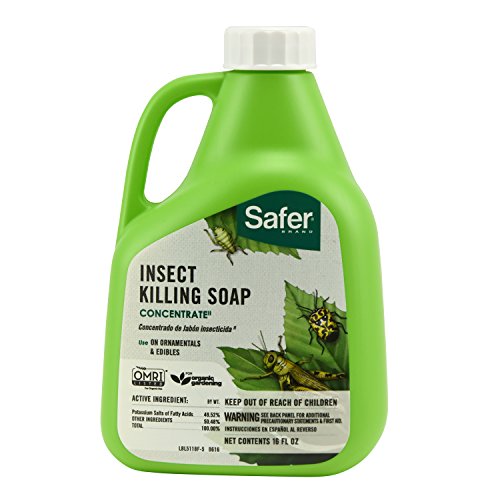
GENTLE ON MOST PLANTS - This aphid spray is ideal for use on flowers, herbs, vegetables, houseplants, lawn, tree, shrubs, and more

CROP, GARDEN & HOUSEPLANT INSECT CONTROL. Trifecta Crop Control all-natural, plant-based formula effectively combats destructive spider mites, aphids, whiteflies, fungus gnats, and other soft-bodied pests on indoor and outdoor plants. Our biodegradable, eco-friendly solution is safe for use on edible crops, without chemical residues. Our gentle yet potent plant spray suffocates and dehydrates pests without harming beneficial insects or the environment, making it ideal for organic gardening.
Pest Management
Pests can significantly impact lettuce health. Common pests include aphids, caterpillars, and snails. You’re encouraged to monitor your garden regularly for signs of pest activity. Using insecticidal soap can effectively manage soft-bodied pests like aphids. Additionally, introducing beneficial insects, such as ladybugs, promotes a natural balance in your garden. Keep in mind that a mix of crop rotation and companion planting can help deter pests as well. For example, planting marigolds alongside lettuce can repel nematodes and other unwanted insects.
Weather Considerations
Georgia’s weather can be unpredictable, affecting your lettuce crops. Hot temperatures can lead to bolting, where the plant flowers prematurely. Plant lettuce during cooler months—early spring or late summer—to avoid heat stress. If you notice a heatwave approaching, consider using shade cloth to protect your plants. Understand that frost can also damage young seedlings. During fall planting, be prepared to cover seedlings with frost cloth or mulch if temperatures drop unexpectedly. Keeping an eye on the local weather forecast can help you take proactive measures against weather-related issues.
Conclusion
Growing lettuce in Georgia can be a rewarding experience when you time it right. By planting in early spring or late summer, you can enjoy fresh, crisp greens while avoiding the heat stress that often plagues this crop. Remember to keep an eye on the weather and use protective measures when needed.
Selecting the right varieties for your garden and maintaining good soil health will set you up for success. With a little patience and care, you’ll be harvesting delicious lettuce that adds flavor to your meals. Happy gardening!
Frequently Asked Questions
When is the best time to plant lettuce in Georgia?
The best time to plant lettuce in Georgia is during early spring, between March and April, and again in late summer, from mid-August to September. This timing helps avoid heat stress during warmer months.
How do I prepare soil for lettuce planting?
Prepare soil by ensuring it is well-drained and fertile, with a pH level between 6.0 and 7.0. Amend the soil with organic matter to improve structure, and test it before planting to ensure optimal growing conditions.
What lettuce varieties grow well in Georgia?
Romaine and Leaf lettuce are ideal for Georgia’s climate. Varieties such as Butterhead and Looseleaf also thrive, offering diverse textures and flavors suitable for various dishes.
How can I prevent lettuce from bolting?
To prevent bolting, plant lettuce during cooler months (55°F to 70°F) and use shade cloth during peak summer heat. Monitoring temperatures and maintaining consistent moisture are also essential.
What pest threats should I manage when growing lettuce?
Common pests include aphids, caterpillars, and snails. Regular monitoring, using insecticidal soap, and introducing beneficial insects like ladybugs can help manage these threats effectively.
How can I protect lettuce seedlings from unexpected frost?
To protect seedlings from frost, cover them with frost cloth or apply mulch. Monitor weather forecasts closely and take precautionary measures if temperatures are predicted to drop unexpectedly.
Should I start lettuce seeds indoors?
Yes, starting lettuce seeds indoors 4–6 weeks before the last frost (around mid-April) allows for stronger seedlings. Transplant them outdoors once temperatures are consistently within the ideal range for growth.
