

Are you eager to grow fresh, crisp lettuce in your Florida garden? Timing is everything when it comes to planting this leafy green. With Florida’s unique climate, knowing when to sow your seeds can make all the difference between a bountiful harvest and a disappointing crop.
Imagine stepping into your backyard to pick vibrant lettuce leaves for your next salad. This article will help you navigate the best times to plant lettuce in Florida, ensuring you enjoy a thriving garden. You’ll learn about seasonal considerations and tips tailored to your region, so you can savor the taste of homegrown lettuce all year round.
Key Takeaways
- Optimal Planting Seasons: The best times to grow lettuce in Florida are during the cooler months of autumn (September to November) and spring (February to April) for optimal growth conditions.
- Temperature and Climate: Lettuce thrives in temperatures between 60°F and 75°F; planting during extreme heat can lead to bitterness and poor growth.
- Variety Selection: Choose from heat-tolerant lettuce varieties like butterhead, romaine, leaf lettuce, and crisphead to suit Florida’s unique climate and ensure a successful harvest.
- Soil and Location: Plant lettuce in well-draining, nutrient-rich soil with a pH of 6.0 to 7.0, and ensure the garden receives at least 6-8 hours of sunlight daily.
- Watering Practices: Consistently water lettuce with approximately 1 to 1.5 inches of water weekly, employing effective irrigation techniques to prevent fungal diseases and maintain moisture.
- Pest Management: Regularly inspect for common pests and diseases, and use preventative measures such as insecticidal soap, companion planting, and maintaining garden cleanliness to protect your lettuce crops.
Understanding Lettuce Growth
Growing lettuce in Florida requires specific knowledge about the types of lettuce and the climate. Understanding these factors ensures a successful harvest and fresh produce year-round.
Types of Lettuce Suitable for Florida
Several types of lettuce thrive in Florida’s climate. These include:
- Butterhead – Known for its sweet taste and soft leaves, butterhead lettuce grows well in warm weather.
- Romaine – This variety is crunchy and holds up well in heat. Romaine produces long, upright heads.
- Leaf Lettuce – Easy to grow, leaf lettuce comes in various colors and can be harvested multiple times.
- Crisphead – While it requires more care, crisphead lettuce offers a satisfying crunch and can perform well in cooler conditions.
Choosing the right type of lettuce impacts growth and flavor. Consider starting with multiple varieties to find your favorites.
Climate Considerations for Lettuce Growth
Florida’s climate presents unique challenges and opportunities for lettuce growth. Pay attention to these factors:
- Temperature Range: Lettuce thrives in temperatures between 60°F and 75°F. High heat can cause bitterness, so planting during cooler months is crucial.
- Seasons: In Florida, the best times to plant lettuce are autumn (September to November) and spring (February to April). Avoid the peak summer months when heat can damage young seedlings.
- Humidity: Florida’s humidity can affect lettuce. Good air circulation helps reduce the risk of fungal diseases. Spacing plants properly offers airflow.
- Sunlight: Lettuce prefers full sun but can tolerate partial shade, especially in the heat of summer. Monitor your plants for signs of stress.
Adapting to Florida’s climate ensures healthy lettuce plants. Use shade cloth during peak summer heat and mulch to retain moisture.
Best Seasons for Growing Lettuce in Florida
Timing matters when growing lettuce in Florida. Optimal planting seasons enhance growth and yield. Here’s a breakdown of the best times to plant.
Recommended Products
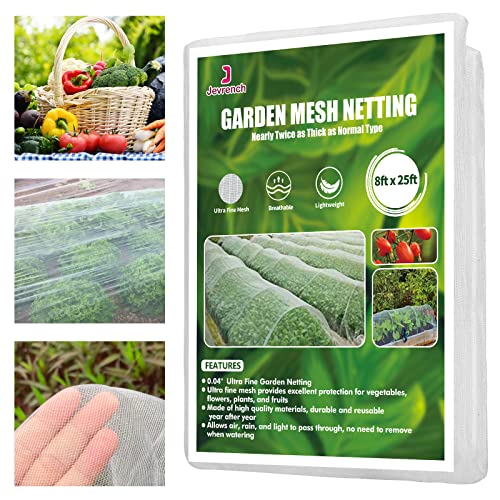
Defend Against Unwanted Visitors: Gardening is a rewarding and fulfilling endeavor, and you'll watch your plants grow from nothing to maturity before you finally harvest...
Spring Planting
Spring planting generally occurs from mid-February to late April. During this period, temperatures are cooler, usually ranging from 60°F to 75°F. These conditions are ideal for lettuce growth. Plant varieties like butterhead and romaine for a spring harvest.
Consider starting seeds indoors or using seed trays for an early start. Transplant seedlings outdoors once they are four weeks old. Keep the soil consistently moist and monitor for pests as temperatures warm.
Fall Planting
Fall planting runs from late September to early November. Cooler weather returns, making it perfect for lettuce cultivation. Target planting when temperatures range from 50°F to 70°F for optimal growth.
Leaf lettuce and crisphead varieties thrive in fall conditions. Sow seeds directly into the garden, keeping in mind the expected frost dates. Use row covers to protect young plants as they establish. Harvest often to encourage growth and avoid bitterness.
Stay vigilant about watering, as fall can sometimes bring drier conditions. With the right timing and care, you can enjoy fresh lettuce well into the winter months.
Location and Soil Preparation
Choosing the right location and preparing the soil are crucial steps in growing lettuce successfully in Florida. A well-prepared garden bed promotes healthy growth and yields.
Recommended Products

Quick, at home results for Soil pH, Nitrogen, Phosphorous and Potash Innovative and inexpensive soil test kit features an easy-to-use capsule system and patented color comparators

Kindly NOTE: This soil tester can not be applied to test pH value of any other liquid. If the soil is too dry the indicator will not move, and water it before testing.

【4 in 1 function】This is a 4-in-1 multifunctional soil tester.Our soil tester fastly to measure soil moisture, pH, temperature and sunlight to help you take better care of flowers and plants.You can know when you need to water your soil by measuring moisture and pH & Temperature value of the soil and sunlight level of plants with it.
Ideal Growing Conditions
Lettuce thrives in full sun but appreciates some afternoon shade, especially during the hottest months. Aim for a location with at least 6-8 hours of sunlight daily. This exposure helps keep your lettuce plants strong. Soil temperature should range from 45°F to 75°F for optimal growth. If temperatures dip below or rise above this range, growth may slow or stall.
Soil Amendments for Lettuce
Lettuce prefers rich, well-draining soil with a pH between 6.0 and 7.0. Improve your soil by incorporating organic matter such as compost or aged manure before planting. This enhances nutrient content and boosts moisture retention.
For a quick start, consider adding a balanced fertilizer high in nitrogen. A 10-10-10 blend works well. Apply it following label instructions to prevent over-fertilization. Additionally, till the soil to a depth of around 12 inches to ensure proper aeration and drainage. Adjusting soil texture may help if your garden has clay or sandy properties. Remember to test your soil before planting; this can reveal essential nutrient levels and guide your amendment choices.
Watering and Maintenance
Maintaining proper watering and upkeep is crucial for healthy lettuce growth in Florida. Understanding effective irrigation techniques and pest management enhances your success with this leafy green.
Recommended Products
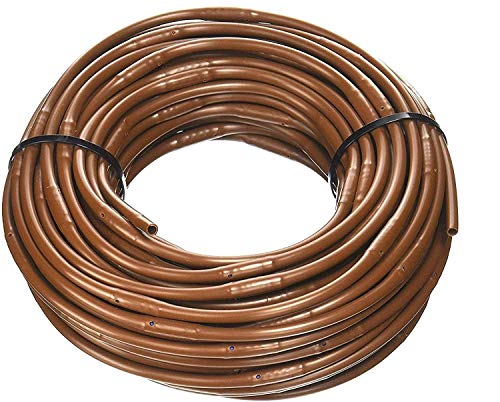
FIT: Use With 1/4" Fittings - 6 inches pre-inserted emitter spacing, 1/2 GPH flow rate from each emitter, 50 feet Length

✔Irrigation Drippers Connectable to 4 mm/7 mm or 0.16”/0.28”( inner/outer diameter) tubing, ideal for automatic drip and sprinkle watering system for flower bed, plant bed, vegetable garden, herbs garden, lawn, green house, plant pots
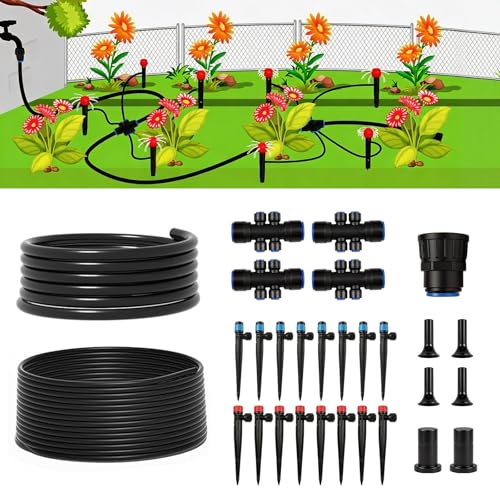
TRUE QUICK CONNECT – NO LEAKS, NO STRUGGLE: Unlike traditional kits that require twisting and force-fitting, our quick-connect design lets you simply push tubing into place. Secure, leak-resistant connections every time — no tools needed.
Irrigation Techniques
Irrigation plays a vital role in lettuce cultivation. Water lettuce consistently, aiming for about 1 to 1.5 inches of water per week. Use drip irrigation for direct moisture to the root zone, minimizing fungal diseases. If using overhead sprinklers, water early in the morning to allow foliage to dry before evening. This routine prevents excess moisture that attracts pests.
Monitor soil moisture by checking 1 inch deep. If it’s dry, it’s time to water. Mulching around plants helps retain soil moisture and regulates temperature. Consider using a rain gauge; knowing rainfall amounts can aid in adjusting your watering schedule. Adjust frequency based on rainfall and temperature changes. Lettuce prefers a moist environment, so remain attentive to its needs.
Pest and Disease Management
Pests can threaten your lettuce crop, but proactive measures make a difference. Regularly inspect your plants for aphids, caterpillars, and slugs. Identify common pests early to minimize damage. Use insecticidal soap or neem oil for treatment. Spray these solutions during the morning or late afternoon to avoid harming beneficial insects.
Keep your garden tidy by removing debris and weeds that harbor pests. Rotate crops yearly to disrupt pest life cycles and maintain soil health. Implement companion planting; for example, plant marigolds to deter aphids.
Prevent diseases like downy mildew and lettuce drop by watering at the soil level, avoiding wet foliage. Space plants properly to ensure good air circulation. If you spot any diseases, remove and discard infected plants immediately to prevent spread. Monitoring and acting promptly keeps your lettuce healthy and thriving.
Conclusion
Growing lettuce in Florida can be a rewarding experience when you time it right. By paying attention to the seasons and understanding your local climate, you can enjoy fresh lettuce from your garden year-round.
Remember to choose the right varieties for each season and prepare your soil properly. With a little care in watering and pest management, you’ll set yourself up for a bountiful harvest.
So grab your seeds and get ready to dig in. Your homegrown lettuce is just a planting away!
Frequently Asked Questions
When is the best time to plant lettuce in Florida?
The best time to plant lettuce in Florida is in the spring from mid-February to late April and in the fall from late September to early November. These periods offer cooler temperatures ideal for lettuce varieties like butterhead, romaine, leaf, and crisphead.
What types of lettuce can I grow in Florida?
In Florida, suitable lettuce varieties include butterhead, romaine, leaf lettuce, and crisphead. Each of these types has unique growth characteristics and flavor profiles, making them great choices for home gardens.
How much sunlight does lettuce need?
Lettuce thrives in full sun with some afternoon shade. Ideally, it should receive at least 6-8 hours of sunlight daily to grow successfully in Florida’s climate.
What soil conditions are best for growing lettuce?
Lettuce grows best in rich, well-draining soil with a pH between 6.0 and 7.0. Soil temperature should ideally range from 45°F to 75°F, and it’s important to enhance soil with organic matter and ensure proper aeration.
How often should I water my lettuce?
Lettuce requires consistent watering, about 1 to 1.5 inches per week. Drip irrigation is recommended to minimize the risk of fungal diseases while keeping the soil adequately moist throughout the growing period.
How can I protect my lettuce from pests?
To protect lettuce from pests, regularly inspect plants and implement proactive measures like crop rotation and companion planting. Maintaining proper soil health can also help manage pest populations effectively.
