

Are you tired of buying bland, store-bought iceberg lettuce? Growing your own can be a game changer. But timing is everything. If you plant too early or too late, you might end up with tough leaves or a sad little crop.
Key Takeaways
- Optimal Planting Times: Start seeds indoors 4-6 weeks before the last frost in spring and sow seeds 8-10 weeks before the first frost in fall for the best results.
- Ideal Growing Conditions: Iceberg lettuce flourishes in temperatures between 60°F and 70°F; extreme heat may cause the plants to bolt and produce bitter leaves.
- Soil Requirements: Use nutrient-rich, well-draining soil, ideally with a pH between 6.0 and 6.8, and enrich it with organic matter like compost for optimal growth.
- Watering and Maintenance: Consistent moisture is essential; aim for 1 to 1.5 inches of water per week, and mulch around the plants to retain moisture and suppress weeds.
- Pest Management Strategies: Regularly inspect for pests and consider organic solutions like neem oil or beneficial insects to maintain a healthy crop.
Understanding Iceberg Lettuce
Iceberg lettuce is a popular choice for home gardens. Knowing its characteristics and benefits can help you grow it effectively.
Characteristics of Iceberg Lettuce
Iceberg lettuce features crisp, tightly packed leaves with a pale green color. This variety is known for its round shape, making it easy to stack in salads. Typically, it grows to 12-18 inches tall, requiring a lot of space in the garden. The flavor is mild, complementing a wide range of dishes. Iceberg is also known for its high water content, which helps keep you hydrated.
Benefits of Growing Iceberg Lettuce
Growing your own iceberg lettuce offers numerous advantages.
- Freshness: You harvest lettuce at peak ripeness, ensuring optimal flavor and crispness.
- Cost-Effective: You save money compared to store prices, especially during peak seasons.
- Chemical-Free: You control the growing environment and avoid harmful pesticides.
- Variety Selection: You can choose from different iceberg varieties to suit your taste.
- Satisfaction: You experience the joy of gardening and taking pride in homegrown produce.
By understanding these aspects, you prepare yourself for a successful iceberg lettuce growing experience.
Climate Considerations
Understanding the climate is crucial for successfully growing iceberg lettuce. This crop thrives in specific temperature and seasonal conditions, which significantly influence its growth and quality.
Recommended Products

The Best Value - Organo Republic Lettuce Iceberg Seeds Pack contains 3g or 3,100 Non-GMO heirloom lettuce seeds. Iceberg Lettuce (Lactuca sativa var. capitata) is known for its crisp texture and mild flavor, making it the perfect addition to fresh vegetable salads or culinary creations.

Beautiful - Full color packet of Great Lakes Iceberg Lettuce Seed (Lactuca sativa). Popular head lettuce that produces large, well-packed heads of crisp green leaves. Slow bolting, sunburn resistant and adapted to hotter temperatures. Minimum of 650 mg per packet (about 400 seeds).
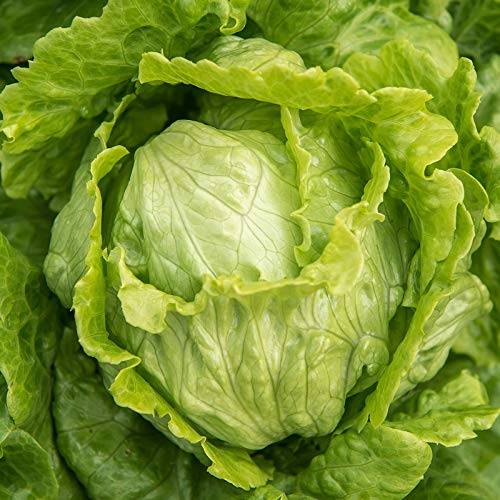
Crisphead lettuce offer greens with a nice toothy, snap and sweet flavor that complements any dressing.
Ideal Temperature Range
Iceberg lettuce grows best in temperatures between 60°F and 70°F (15°C to 21°C). When temperatures exceed 75°F (24°C), the plants may bolt, leading to bitter leaves and poor-quality produce. For optimal results, plant your seeds in early spring or late summer when temperatures fall within this range. If you’re in a warmer climate, consider using shade cloth to cool the plants during hot spells.
Seasonal Changes
Seasonal changes can impact the timing of your iceberg lettuce planting. In spring, start seeds indoors about 4-6 weeks before the last frost date, then transplant outside when the soil warms. For fall planting, sow seeds directly in the garden about 8-10 weeks before the first frost date. Monitor local frost dates and adjust your planting schedule accordingly to ensure a healthy harvest.
Planting Schedule
Understanding when to plant iceberg lettuce ensures a successful harvest. You can maximize growth by following a careful planting schedule.
Spring Planting
For spring planting, start seeds indoors 4-6 weeks before the last frost date. This preparation gives seedlings a head start. Once the danger of frost has passed, transplant them outdoors. Aim for early spring when soil temperatures reach around 60°F (15°C). Directly sow seeds outside when daytime temperatures consistently stay between 60°F and 70°F (15°C to 21°C) for optimal growth.
Fall Planting
For fall planting, prepare to sow seeds directly in the garden 8-10 weeks before the first expected frost. This timing allows the plants to mature in cooler weather, promoting crisp leaves. Monitor temperature shifts as autumn approaches, ensuring you plant before conditions drop too low. Harvest your iceberg lettuce before the first hard frost, usually yielding a sweeter taste from the cooler temperatures.
Soil and Preparation
Good soil preparation is essential for growing healthy iceberg lettuce. Focus on meeting soil requirements and properly preparing your garden bed to achieve optimal growth.
Recommended Products

🥬 𝐏𝐑𝐄𝐌𝐈𝐔𝐌 𝐋𝐄𝐓𝐓?𝐂𝐄 𝐈𝐂𝐄𝐁𝐄𝐑𝐆 𝐏𝐎𝐓𝐓𝐈𝐍𝐆 𝐌𝐈𝐗: Our Lettuce Iceberg Potting Mix is crafted to provide the perfect growing environment for vibrant and healthy iceberg lettuce. This premium soil mix ensures your lettuce plants receive the optimal nutrients, moisture, and aeration needed to thrive, making it ideal for both indoor plants and container gardening.
🥬 𝐏𝐑𝐄𝐌𝐈𝐔𝐌 𝐋𝐄𝐓𝐓𝐔𝐂𝐄 𝐈𝐂𝐄𝐁𝐄𝐑𝐆 𝐏𝐎𝐓𝐓𝐈𝐍𝐆 𝐌𝐈𝐗: Our Lettuce Iceberg Potting Mix is expertly crafted to provide the perfect growing environment for vibrant and healthy iceberg lettuce. This premium soil mix ensures your lettuce plants receive the optimal nutrients, moisture, and aeration needed to thrive, making it ideal for both indoor plants and container gardening.

100% Natural Compost for Plants - Compost is a nutrient-rich, soil-like substance made from blending yard trimmings and plant residue, such as leaves and grass clippings. Together, they’re composted to make a growing medium that’s part fertilizer, part soil amendment. When mixed with garden soil, compost helps loosen soil, holds onto moisture, and provides essential nutrients for plants.
Soil Requirements
Iceberg lettuce thrives in well-draining, nutrient-rich soil. Aim for a soil pH between 6.0 and 6.8 for best results.
- Organic Matter: Incorporate organic matter like compost or aged manure to improve soil fertility. Aim for at least 2-4 inches of compost worked into the top 6-12 inches of soil.
- Drainage: Ensure good drainage to prevent waterlogging, which can lead to rot. If your soil has heavy clay, consider adding sand or perlite.
- Moisture Retention: Balance drainage with moisture retention. A light mulch can help maintain soil moisture while keeping the temperature stable.
Preparing Your Garden Bed
Preparation of your garden bed sets the stage for successful growth. Follow these steps for optimal preparation.
- Choose Your Location: Pick a sunny spot that receives at least 6-8 hours of sunlight daily.
- Clear the Area: Remove weeds, rocks, and debris from the designated area.
- Tiller or Fork: Use a garden tiller or fork to loosen the top 6-12 inches of soil, making it easier for roots to establish.
- Mix Amendments: Combine organic matter and fertilizer with the loosened soil. Follow package instructions for specific quantities.
- Level the Bed: Rake the surface to create a level planting bed, promoting even growth and easier watering.
By focusing on these soil requirements and preparation steps, you set up a strong foundation for your iceberg lettuce to flourish.
Care and Maintenance
Caring for iceberg lettuce involves understanding its watering needs and managing pests effectively. This ensures healthy growth and a bountiful harvest.
Recommended Products

Great Helper for Gardening: This YDSL plant covers freeze protection is ideal for gardening enthusiasts and gardeners to protect plants and vegetables, so that your favourite plants can grow as safely as possible in an environment that is more suited to their needs. Garden bed cover is not only suitable for professional growers, but also for beginners in transplanting techniques, with which planting can be done with ease.

ULTRA-FINE PLANT PROTECTION – Safeguard vegetables, fruit, herbs, and seedlings with our Ultra Fine Mesh Garden Netting, designed to create a protective barrier while your plants grow. Ideal for raised beds, hoops, frames, and greenhouse use to support healthier plants throughout the season.

Cover Large Area: Select from an extensive range of sizes tailored to meet your gardening requirements; The frost plant covers are available in 10x10FT, 10x20FT, 10x30FT, and 10x50FT, ensuring a snug fit for gardens of every dimension; The frost blankets are durable and easy to cut to provide the perfect coverage for gardens of all shapes and sizes
Watering Needs
Watering is crucial for iceberg lettuce, which requires consistent moisture. You should aim for about 1 to 1.5 inches of water per week. This facilitates steady growth and keeps leaves crisp.
- Water in the morning to minimize evaporation.
- Check the soil regularly; it should feel moist but not soggy.
- Use mulch around plants to retain moisture and suppress weeds.
If you notice wilting, it signals insufficient water; conversely, yellowing leaves indicate overwatering. Adjust your watering schedule based on rainfall and temperature changes.
Pest Management
Managing pests is vital for a healthy lettuce crop. Common pests include aphids, slugs, and caterpillars. Here are effective strategies to control pests:
- Inspect plants regularly for signs of infestation.
- Use organic pesticides like neem oil or insecticidal soap for treatment.
- Introduce beneficial insects, such as ladybugs, to naturally manage pest populations.
You can also use barriers, like row covers, to shield seedlings from pests while allowing sunlight and moisture to reach the plants. Regular maintenance and vigilance can prevent severe pest issues, ensuring your iceberg lettuce thrives.
Conclusion
Growing your own iceberg lettuce can be a rewarding experience. By timing your planting right and understanding your local climate you’ll set yourself up for success. Remember to prepare your soil well and keep an eye on moisture levels to ensure your lettuce thrives.
With a little care and attention you’ll enjoy fresh crisp leaves that taste so much better than anything from the store. Plus you’ll have the satisfaction of knowing you grew it yourself. So get those seeds ready and embrace the joy of gardening. Happy planting!
Frequently Asked Questions
What are the benefits of growing my own lettuce?
Growing your own lettuce offers fresh produce, cost savings, and control over pesticide use. You can choose from various lettuce varieties and enjoy the satisfaction of gardening. Home-harvested lettuce tastes better than store-bought, especially varieties like iceberg.
How does iceberg lettuce differ from other types?
Iceberg lettuce is known for its crisp, tightly packed leaves, mild flavor, and high water content. It is a popular choice for salads and sandwiches. Its ability to thrive in suitable temperatures and provide a refreshing crunch makes it a favorite among home gardeners.
When is the best time to plant iceberg lettuce?
The best time to plant iceberg lettuce is early spring or late summer. Start seeds indoors 4-6 weeks before the last frost in spring or sow seeds directly in the garden 8-10 weeks before the first frost in fall for optimal growth.
What soil conditions are ideal for iceberg lettuce?
Iceberg lettuce thrives in well-draining, nutrient-rich soil with a pH level between 6.0 and 6.8. To enhance fertility, incorporate organic matter like compost and ensure proper drainage to prevent waterlogging while retaining moisture.
How much water does iceberg lettuce need?
Iceberg lettuce requires consistent moisture, needing about 1 to 1.5 inches of water per week. Effective watering practices, such as deep watering and regular monitoring, help maintain healthy growth and prevent stress on the plants.
How can I manage pests when growing lettuce?
To manage pests like aphids, slugs, and caterpillars, routinely inspect your plants, use organic pesticides, and introduce beneficial insects. These practices will help prevent infestations and ensure a healthy harvest of iceberg lettuce.
