

Have you ever planted tomato seeds with high hopes, only to find them stubbornly refusing to sprout? Picture this: you carefully plant the seeds, water them diligently, and wait expectantly for signs of life. Yet, days pass, and there’s no sight of those tiny green shoots pushing through the soil. Frustrating, isn’t it?
In this article, we’ll guide you on knowing when it’s time to bid farewell to those uncooperative tomato seeds. You’ll learn practical tips on identifying viable seeds versus duds, saving you time and effort in your gardening endeavors. Stay tuned to discover how to make informed decisions about when to give up on tomato seed germination – because sometimes, it’s best to move on and start afresh for a bountiful harvest ahead.
Key Takeaways
- Factors like seed quality, moisture levels, temperature, and light conditions influence tomato seed germination.
- Tomato seeds typically sprout within 5-10 days; if no sprouts appear after 2 weeks, it may be time to consider new seeds.
- Signs of unsuccessful germination include lack of sprouts and visible mold or fungus around the seeds.
- Optimal conditions for germination include maintaining warm soil temperature, proper moisture levels, adequate light exposure, and good airflow.
- Monitor tomato seed progress regularly; if no germination occurs after two weeks, conduct a seed viability test or consider starting fresh with new seeds.
Understanding Tomato Seed Germination
When it comes to understanding tomato seed germination, there are key factors that influence this process and an expected timeline you can refer to for guidance. By knowing these aspects, you’ll be better equipped to make informed decisions about when to give up on seeds that may not sprout.
Factors Influencing Germination
To ensure successful tomato seed germination, several factors come into play. The quality of the seeds, moisture levels, temperature, and light conditions are critical. High-quality seeds from reputable sources have a higher chance of germinating compared to old or poor-quality ones. Adequate moisture is essential for the seeds to swell and start the germination process. Maintaining a consistent temperature between 70-80°F (21-27°C) creates optimal conditions for seed sprouting. While some light may aid in germination for certain plant species, tomato seeds generally do not require light until after they’ve sprouted.
Expected Germination Timeline
Tomato seeds typically germinate within 5-10 days under ideal conditions. However, factors like temperature fluctuations or seed quality can affect this timeline. It’s important to be patient during this period but also vigilant in monitoring progress. If no sprouts appear after 2 weeks despite providing suitable conditions, it may be time to consider giving up on those particular seeds and starting anew with fresh ones for a successful gardening season ahead.
Remember, by understanding these crucial aspects of tomato seed germination, you can effectively determine when it’s appropriate to move on from non-germinating seeds and take proactive steps towards achieving a thriving harvest in your garden.
Signs of Unsuccessful Germination
If you’re wondering whether your tomato seeds are going to sprout, here are some signs to look out for:
Recommended Products
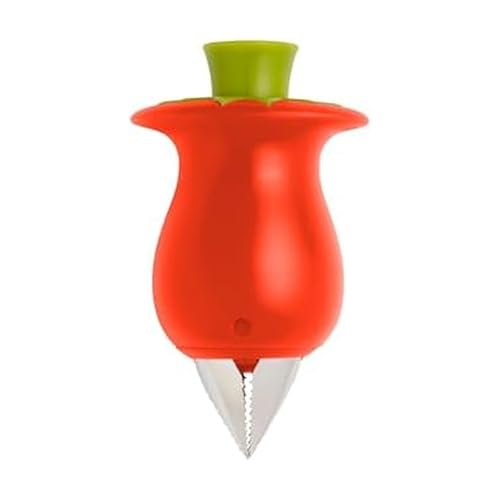
Designed to remove tomato hulls quickly and easily

Stainless steel corers - Provide durable and rust-resistant kitchen tools
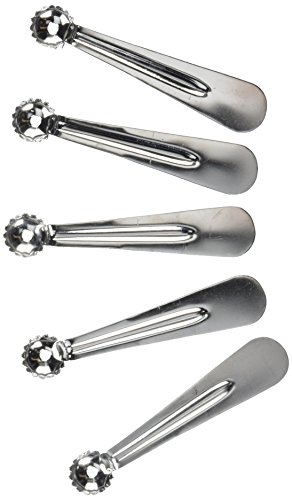
Stainless steel
Lack of Sprouts
When checking your seed trays or pots after the expected germination period, if you see no signs of sprouting or any emerging seedlings, it’s a clear indicator that germination has not been successful.
Visible Mold or Fungus
Another sign of unsuccessful germination is the presence of mold or fungus on the soil surface or around the seeds. Mold can hinder seedling growth and indicate unfavorable conditions for germination.
By recognizing these signs early on, you can make informed decisions about when to give up on non-germinating tomato seeds and take steps towards a more fruitful gardening experience.
Conditions to Optimize Germination
When aiming for successful tomato seed germination, it’s crucial to create optimal conditions that encourage growth. Paying attention to specific factors like soil temperature and moisture, as well as light and airflow requirements, can significantly enhance your chances of a successful germination process.
Recommended Products

12-LED GROW LIGHT PER TRAY — Each of the five seed starting trays features a full-spectrum grow light with 12 LED beads, providing supplemental light for indoor seedlings.

12-LED GROW LIGHT PER TRAY — Each of the five seed starting trays features a full-spectrum grow light with 12 LED beads, providing supplemental light for indoor seedlings.

Pro Grow Lights with Advanced Chips: Equipped with 56 high-efficiency beads per tray, these LED strips simulate natural sunlight for optimal seedling growth. Adjustable brightness and timer functions let you customize lighting for every plant stage, promoting faster, healthier growth—perfect for herbs, flowers, and more
Soil Temperature and Moisture
For tomato seeds to germinate effectively, ensure the soil temperature remains consistently warm, ideally between 70-80°F. Cold temperatures can delay or inhibit germination. Additionally, maintaining adequate moisture levels in the soil is essential. The soil should be damp but not waterlogged, as excessive moisture can lead to rotting of the seeds before they sprout.
Light and Airflow Requirements
Proper exposure to light is vital for tomato seed germination. Place your seed trays in a location with ample natural light or use artificial grow lights if needed. Ensure good airflow around the seeds by avoiding overcrowding and providing ventilation. Stagnant air can promote fungal growth and hinder germination.
When to Give Up on Tomato Seeds Germination
Knowing when to let go of tomato seeds that are not germinating is crucial for efficient gardening. Here’s how you can determine the right time to move on:
Recommended Products

EASIER SEED STARTING: Our Burpee SuperSeed tray with 8 extra-large flexible pop-out cells is designed to simplify indoor seed starting. Just add seed starting mix, seeds, water and light to get growing! Perfectly sized for starting seeds in the windowsill: 11.5" x 5-3/16" x 2-1/4". Rows are labeled alphanumerically for seedling identification with included Plant-o-Gram diagram.

NUTRIENT-RICH, NATURAL, AND ORGANIC SOIL: Grow a bountiful garden in your home with the Back to the Roots All-Purpose Natural and Organic Peat-Free 3-in-1 Seed Starting Mix, packed with the nutrients needed for your plants, flowers, and vegetables to thrive

Includes Back to the Roots Compressed Seed Starting Potting Mix that expands to 12qt of soil. A balanced pH, which means it’s truly all-purpose. Use alone or as an amendment for anything in a pot or in the ground — vegetables, flowers, herbs, and even starting seeds.
Time Frame to Consider
After planting tomato seeds, it’s essential to monitor their progress regularly. Typically, tomato seeds should sprout within 5-10 days under optimal conditions. If you don’t see any signs of germination after two weeks, it might be time to consider other options.
Alternative Steps
If your tomato seeds show no signs of sprouting after the expected timeframe, there are a few alternative steps you can take:
- Seed Viability Test: Conduct a simple seed viability test by placing a few seeds on a damp paper towel in a sealed plastic bag. Check after a few days; if they haven’t sprouted, the seeds may be non-viable.
- Try New Seeds: If your current batch of tomato seeds fails to germinate, consider starting fresh with new seeds from a reputable source.
- Adjust Growing Conditions: Review and optimize growing conditions such as moisture levels, temperature, light exposure, and airflow to create a more conducive environment for germination.
- Consider Seed Starting Mix: Sometimes changing the type of seed starting mix used can make a difference in seed germination success rates.
By being attentive to these indicators and taking proactive measures when necessary, you can increase the likelihood of successful tomato seed germination in your garden.
Conclusion
Knowing when to give up on tomato seed germination is crucial for a successful gardening experience. By recognizing signs of unsuccessful sprouting and taking proactive steps like conducting seed viability tests or adjusting growing conditions, you can increase your chances of achieving a bountiful harvest. Remember, patience is key, but being vigilant and knowing when it’s time to start fresh with new seeds will save you time and effort in the long run. Keep experimenting with different methods until you find what works best for your tomato seeds. With these insights in mind, you’ll be better equipped to navigate the challenges of seed germination and enjoy a flourishing garden season after season.
Frequently Asked Questions
Q: How long does it typically take for tomato seeds to germinate?
A: Tomato seeds usually germinate within 5-10 days under optimal conditions.
Q: What should I do if my tomato seeds are not sprouting after 2 weeks?
A: If your tomato seeds haven’t sprouted after 2 weeks, consider starting anew with fresh seeds.
Q: What signs indicate that my tomato seeds are not germinating successfully?
A: Signs of unsuccessful germination include lack of seed swelling, mold growth, or no visible sprouts after the expected time frame.
Q: How can I improve the chances of successful tomato seed germination?
A: To enhance germination rates, try conducting a seed viability test, adjusting growing conditions like moisture and temperature, using new seeds, or changing your seed starting mix.
