

Do you ever find yourself wondering when the best time is to fertilize your tomatoes for a bountiful harvest? Picture this: you’ve diligently planted your tomato seedlings, eagerly awaiting the juicy fruits they will bear. But, as they grow, you start noticing signs of nutrient deficiency that could impact their growth and yield. That’s where knowing the optimal timing for fertilizing your tomatoes becomes crucial.
In this article, we’ll guide you through the key factors to consider when deciding when to fertilize your tomato plants. By understanding the specific needs of your tomatoes at different growth stages, you’ll be equipped to provide them with the nutrients they require for robust development. Stay tuned to discover how proper timing and application of fertilizer can make a significant difference in the health and productivity of your tomato plants.
Key Takeaways
- Proper nutrition is crucial for tomato plants’ growth and fruit production, requiring essential nutrients like nitrogen, phosphorus, potassium, calcium, magnesium, and sulfur.
- Timely identification of nutrient deficiencies in tomato plants through symptoms like yellowing leaves or slow growth is vital for addressing issues promptly.
- Fertilize tomatoes during planting with organic compost or balanced fertilizers for early root development and continue throughout the growing season with water-soluble or slow-release fertilizers.
- Focus on providing potassium-rich fertilizer during fruit setting to enhance fruit quality and flavor.
- Choose between organic (slow-release) and synthetic (quick boost) fertilizers based on preference when feeding your tomato plants.
- Avoid over-fertilization that can lead to nutrient imbalances, root burning, or stunted growth by following recommended dosage guidelines and proper application techniques.
Understanding Tomato Plant Nutrition
Tomatoes, like all plants, require essential nutrients to thrive. Proper nutrition is crucial for their growth and fruit production. Here’s what you need to know about tomato plant nutrition:
The Importance of Nutrients for Tomatoes
Tomatoes need a balanced supply of nutrients to develop strong roots, healthy foliage, and abundant fruits. The key nutrients required by tomatoes include nitrogen, phosphorus, potassium, calcium, magnesium, and sulfur. These nutrients play vital roles in various plant functions such as photosynthesis, flower development, and disease resistance.
Signs of Nutrient Deficiency in Tomato Plants
Identifying nutrient deficiencies in tomato plants is essential for timely intervention. Common signs include yellowing leaves (nitrogen deficiency), purple discoloration on stems and leaf undersides (phosphorus deficiency), and slow growth with weak stems (potassium deficiency). Regularly inspecting your tomato plants for these symptoms can help you address nutrient deficiencies promptly to ensure healthy growth and optimal fruit yield.
When to Fertilize Tomatoes
Knowing when to fertilize your tomatoes is crucial for their growth and fruit production. Here’s a guide on the best times to fertilize your tomato plants:
Recommended Products
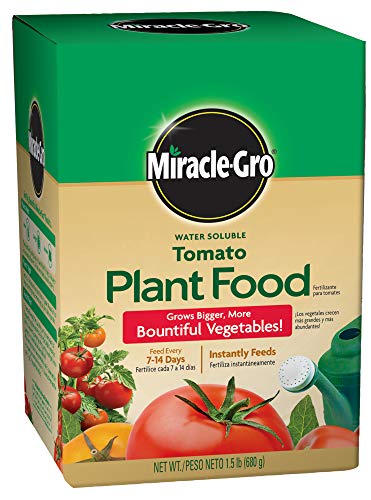
Instantly feeds to grow bigger, more bountiful vegetables versus. unfed plants

FOR USE ON: Use Tomato-tone organic fertilizer for all types of tomatoes; both heirloom and hybrid. It Produces plump, abundant tomatoes, not unwanted foliage. Can also be used on all vegetables.

Let our professionally formulated plant food help your fruit tree grow healthy, strong AND abundantly producing
Fertilizing During Planting
When planting your tomatoes, it’s essential to incorporate fertilizer into the soil. Mix in organic compost or a balanced fertilizer according to package instructions before planting your seedlings. This initial fertilization provides the necessary nutrients for early root development and sets the stage for healthy growth.
Fertilizing During the Growing Season
Throughout the growing season, you can continue to fertilize your tomato plants to support their nutrient needs. Apply a water-soluble fertilizer every two to three weeks or use a slow-release fertilizer at the beginning of the season for a steady nutrient supply. Be cautious not to over-fertilize, as this can lead to excessive foliage growth at the expense of fruit production.
Fertilizing During Fruit Setting
During fruit setting, focus on providing adequate potassium-rich fertilizer to encourage robust fruit development. Potassium plays a vital role in enhancing fruit quality and flavor. Consider using a tomato-specific fertilizer high in potassium or adding banana peels (a natural source of potassium) around the base of your plants.
By following these guidelines on when to fertilize tomatoes during planting, throughout the growing season, and specifically during fruit setting, you can ensure that your tomato plants receive the nutrients they need for optimal growth and abundant harvests.
Types of Fertilizers for Tomatoes
When choosing fertilizers for your tomato plants, it’s essential to consider the different types available and their benefits. Here are some key factors to keep in mind:
Organic vs. Synthetic Fertilizers
Organic fertilizers are derived from natural sources like compost, manure, or bone meal. They release nutrients slowly, improving soil structure over time. On the other hand, synthetic fertilizers are manufactured chemically and provide a quick nutrient boost to plants. Depending on your preferences and gardening practices, you can choose between these two options.
- During Planting: Opt for organic compost or balanced fertilizers rich in nitrogen, phosphorus, and potassium to promote healthy root development.
- Throughout the Growing Season: Consider using water-soluble fertilizers that can be applied through watering or slow-release granular fertilizers for sustained nutrition.
- Fruit Development Phase: Prioritize potassium-rich fertilizers during fruit setting to support robust fruit growth.
By selecting the right type of fertilizer at each stage of your tomato plant’s growth cycle, you can ensure they receive the necessary nutrients for optimal health and productivity.
Common Mistakes When Fertilizing Tomatoes
Recommended Products

For more nutritious and tasty vegetables

Produce abundant and vibrant fruit and blooms! This product works by strengthening your plant's roots to increase nutrient uptake… enabling it to bloom and produce like you've never seen!

Over-Fertilization Issues
Over-fertilizing your tomato plants can do more harm than good. Excessive fertilization can lead to nutrient imbalances, burning of roots, and stunted growth. It’s crucial to follow the recommended dosage guidelines on the fertilizer package to prevent over-fertilization. Remember, more isn’t always better when it comes to feeding your tomatoes.
Incorrect Timing and Application
Timing is key when fertilizing tomatoes. Applying fertilizer too early or too late in the growing season can disrupt plant growth and fruit development. It’s essential to understand the specific nutrient needs of tomatoes at different stages of growth. Make sure to fertilize at the right times, such as during planting for root development and fruit setting for optimal yield. Additionally, applying fertilizer directly onto plant leaves instead of around the base can lead to leaf burn and inefficient nutrient absorption. Always follow proper application techniques for best results.
Conclusion
Remember, proper fertilization is key to ensuring your tomato plants thrive. Understanding the nutrient needs of your tomatoes and selecting the right fertilizers at each growth stage can make a significant difference in their health and productivity. By choosing organic compost or balanced fertilizers during planting, water-soluble options for ongoing care, and potassium-rich choices for fruit setting, you’re providing your tomatoes with the essential nutrients they require. Avoid common mistakes like over-fertilization by following dosage guidelines and applying fertilizers correctly. With the right approach to fertilizing your tomato plants, you’ll be on your way to enjoying a bountiful harvest of delicious homegrown tomatoes.
Frequently Asked Questions
What are the key nutrients important for tomato plant nutrition?
Tomato plants require essential nutrients like nitrogen, phosphorus, and potassium for healthy growth.
What signs indicate nutrient deficiencies in tomato plants?
Yellowing leaves, stunted growth, and poor fruit production can signal nutrient deficiencies in tomato plants.
Which types of fertilizers are suitable for tomatoes?
Organic compost or balanced fertilizers are recommended during planting, while water-soluble or slow-release fertilizers are beneficial throughout the growing season.
Why is potassium-rich fertilizer advised during fruit setting for tomatoes?
Potassium-rich fertilizers support robust fruit growth and development in tomato plants during the fruit-setting stage.
