

Have you ever wondered when the best time is to cut your leaf lettuce? You’re not alone. Many home gardeners face the challenge of figuring out the right moment to harvest this delicate green. Cutting too early can mean missing out on that crisp, flavorful taste, while waiting too long might lead to bitterness.
In this article, you’ll discover the ideal signs to look for when it’s time to snip your lettuce. You’ll learn how to maximize your harvest while ensuring your plants stay healthy and productive. Whether you’re a seasoned gardener or just starting out, these tips will help you enjoy fresh, homegrown lettuce at its best.
Key Takeaways
- Growth Stages: Leaf lettuce goes through four key growth stages: germination, seedling, vegetative, and maturity, each lasting from a week to several weeks based on conditions.
- Signs of Maturity: Optimal harvesting occurs when leaves are 6-12 inches long, vibrant in color, crisp in texture, and taste sweet, indicating they are ready for cutting.
- Timing by Variety: Different leaf lettuce varieties mature at different times; for example, butterhead takes about 55-70 days, while romaine can take 70-80 days.
- Environmental Factors: Harvest during cool mornings, ensure ample sunlight, and maintain consistent moisture to enhance flavor and promote yield.
- Cutting Techniques: Use sharp tools to cut leaves just above the soil line or start with outer leaves, which allows inner ones to keep growing for future harvests.
- Post-Harvest Care: Store harvested lettuce in a breathable container in the fridge to maintain freshness, and consider composting and replanting for continuous growth.
Understanding Leaf Lettuce Growth
Understanding leaf lettuce growth is essential for harvesting at the right time. Knowing the stages of growth helps you decide when to cut.
Growth Stages of Leaf Lettuce
Leaf lettuce undergoes several growth stages:
- Germination: Seeds sprout within 7 to 14 days under ideal conditions, which include warm soil and moisture.
- Seedling: Small, tender leaves appear. This stage lasts for about 2 to 3 weeks.
- Vegetative: Lettuce enters a rapid growth phase. It grows larger leaves. This stage can last 3 to 5 weeks.
- Maturity: Leaves reach full size and texture. This usually occurs 6 to 8 weeks after planting.
Understanding these stages helps you monitor your plants effectively.
Signs of Maturity
Recognizing when leaf lettuce is mature ensures optimal flavor and texture. Look for these signs:
- Size: Leaves should be 6 to 12 inches long, depending on the variety.
- Color: Mature lettuce displays a vibrant green or deep red, varying by type.
- Texture: Leaves feel crisp and firm. Soft or wilted leaves indicate over-maturity.
- Taste: Flavor should be sweet and slightly nutty. Bitterness signals it’s time to harvest soon.
Check these signs closely to enjoy the freshest taste from your garden.
Optimal Harvesting Time
Understanding when to cut leaf lettuce is crucial for maximizing flavor and freshness. Aim to harvest when your plants reach their peak maturity, typically between 30 and 70 days after planting, depending on the variety.
Recommended Products

USDA Certified Organic by Oregon Tilth
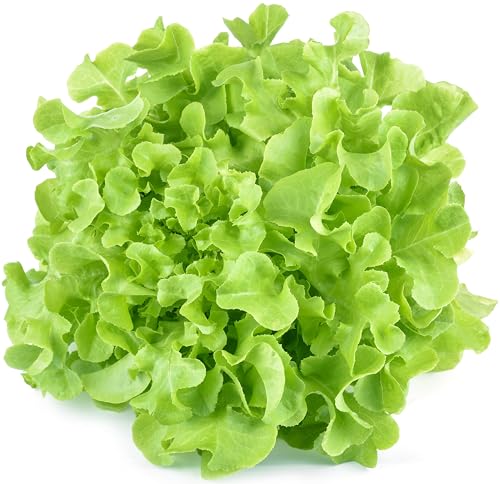
Distinct for its oak-shaped leaves and mild, nutty flavor. Best picked young.

Black Seeded Simpson is a classic heirloom loose leaf lettuce with large, tender green leaves and a mild, sweet flavor. Harvest fresh leaves for salads, sandwiches, wraps, and other homegrown meals.
Timing Based on Variety
Different leaf lettuce varieties reach maturity at varying rates. Here are some common types and their ideal harvesting times:
- Butterhead: Harvest 55-70 days after planting. Look for rounded heads and tender leaves.
- Romaine: Harvest 70-80 days after planting. Aim for firm, upright heads with dark green leaves.
- Loose-leaf: Cut approximately 30-50 days after planting. Opt for vibrant color and soft, pliable leaves.
Always check your seed packet for specific timelines, as these can vary based on your local climate and conditions.
Environmental Factors
Environmental conditions significantly impact harvesting time. Consider the following factors:
- Temperature: Leaf lettuce thrives in cooler weather. Harvest during cool mornings for the best flavor.
- Light: Ensure your plants receive at least 6-8 hours of sunlight daily. Insufficient light can delay maturity and affect taste.
- Watering: Maintain consistent moisture. Over or underwatering can stress plants and alter growth speed.
Monitor these factors closely to gauge the ideal time for harvesting your leaf lettuce. Checking plants regularly helps you catch the best time for that perfect crunch.
Proper Cutting Techniques
Effective harvesting of leaf lettuce requires the right tools and techniques. Using proper methods ensures minimal damage to the plant, promoting further growth and ongoing production.
Recommended Products

💡2026 Upgraded Premium Stainless Steel Multipurpose Herb Scissors Set
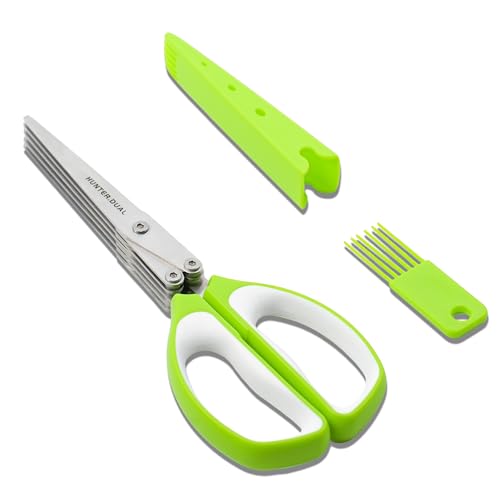
5 Ultra-Sharp Blades For Effortless Cutting - Experience the power of 5 precision stainless steel blades that mince through fresh herbs, green onions, vegetables, and salad ingredients in one swift motion. No more uneven chopping

Multi Layer-Sharp Blade: Five pairs of sharp blades are made of quality grade stainless steel, and do not rust easily even with long-term use. 3 Heavy-duty steel rivet holds the blades together securely for consistent performance
Tools Needed for Harvesting
- Sharp Knife or Scissors: Use a clean, sharp knife or kitchen scissors for precise cutting. Dull tools can damage plants.
- Basket or Container: Have a basket or container ready to collect the cut leaves. This prevents bruising.
- Clean Cloth: Keep a clean cloth or paper towel handy for wiping tools after cutting to prevent the spread of disease.
- Gloves: Consider wearing gloves to protect your hands and maintain hygiene during harvesting.
- Cutting at the Base: Slice leaves just above the soil line, allowing the plant to regrow. This method encourages new leaf production and extends your harvest.
- Harvesting Outer Leaves: Pick the outer leaves first, leaving inner leaves to continue growing. This staggered approach maximizes your yield over time.
- Avoiding Stress: Avoid tearing or pulling leaves. Smooth cuts reduce stress on the plant, leading to healthier regrowth.
- Time of Day: Cut leaves in the morning or late afternoon. Cooler temperatures help preserve freshness and flavor.
- Checking for Pests: Inspect leaves for pests or damage before cutting. Remove any affected leaves to ensure quality in your harvest.
Post-Harvest Care
After cutting your leaf lettuce, proper care ensures the best flavor and freshness. Focus on storage techniques and preparing for future growth.
Recommended Products

Safe Material: All parts of the salad spinner are made of food grade material, keep your ingredients safe and health; It’s an essential kitchen device, also suitable for RV, camping, etc; Top rack dishwasher safe
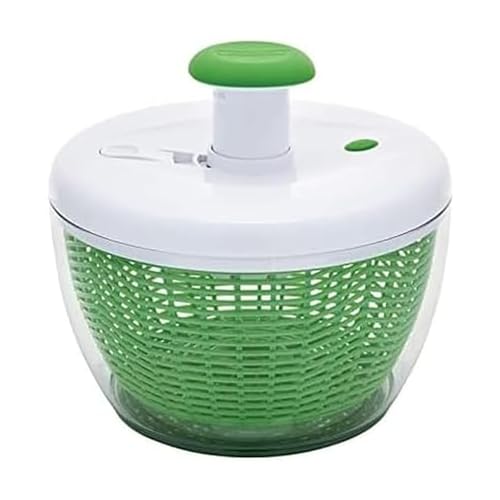
HEALTHY MADE EASY: Our Pro Pump Salad Spinner makes it so easy to prepare nutritious foods every night of the week. This device helps you to clean and serve salad greens and other produce, including fruits and even berries, in seconds!

Maximum drying power: One-handed pump spins lettuce, herbs or fruit fast with minimal effort. Dry greens quickly with no plugs or cords needed.
Storing Cut Leaf Lettuce
Store your cut leaf lettuce in a way that preserves its crispness and taste. Follow these steps:
- Wash and Dry: Rinse the leaves gently in cold water. Use a salad spinner or a clean cloth to remove excess moisture.
- Use the Right Container: Place the lettuce in a breathable container or a perforated bag to maintain airflow. Avoid airtight containers, as they trap moisture and promote wilting.
- Add a Paper Towel: Line the container with a dry paper towel. This absorbs extra moisture and keeps the leaves dry, extending freshness.
- Refrigerate Promptly: Place the container in the fridge. Store it in the vegetable crisper drawer, where humidity levels are ideal for greens.
- Consume Quickly: Aim to eat the lettuce within a week for the best flavor and texture. Monitor for signs of spoilage, such as browning or sliminess.
Preparing for Next Growth Cycle
After harvesting your lettuce, you can prepare for another cycle. Consider these steps:
- Assess the Remaining Plant: Check the remaining plant’s condition. Healthy plants may generate new leaves, while stressed plants benefit from rejuvenation.
- Remove Weeds: Clear the area of any weeds. Weeds compete for nutrients, so keeping your growing space tidy enhances growth potential.
- Add Compost: Apply a layer of compost to enrich the soil. This boosts nutrient levels, promoting healthy regrowth.
- Monitor Watering: Ensure consistent moisture. Keep the soil damp but not soggy, promoting robust growth in new plants.
- Plan Successive Planting: Consider planting another crop of lettuce or a different quick-growing vegetable. Staggering plantings helps maximize yield year-round.
By following these post-harvest care steps, you maintain the quality of your cut lettuce while setting the stage for future growth.
Conclusion
Knowing when to cut your leaf lettuce can make all the difference in flavor and freshness. By paying attention to the growth stages and signs of maturity you can ensure a bountiful harvest. Remember to use the right tools and techniques to minimize stress on your plants.
After harvesting it’s important to care for your lettuce properly to keep it crisp and tasty. With just a bit of attention you can enjoy delicious salads and sandwiches while also setting yourself up for future planting success. Happy gardening and enjoy your fresh greens!
Frequently Asked Questions
When is the best time to harvest leaf lettuce?
The best time to harvest leaf lettuce is typically between 30 and 70 days after planting, depending on the variety. Look for signs of maturity such as leaf size, color, and texture. It’s crucial to harvest when the leaves have reached their peak flavor and freshness.
What signs indicate that leaf lettuce is ready to be harvested?
Key signs include larger leaves that are vibrant in color, tender texture, and a pleasant taste. Monitoring these characteristics helps ensure you cut the lettuce at its optimal maturity for the best flavor.
How should I cut leaf lettuce for harvesting?
Use a sharp knife or scissors to cut leaves just above the soil line, which encourages regrowth. Start by harvesting the outer leaves first to maximize yield, and avoid stressing the plant with sharp, smooth cuts.
What tools do I need for harvesting lettuce?
Essential tools include a sharp knife or scissors, a basket or container for collecting leaves, and a clean cloth to wipe your tools. These help prevent damage and reduce the spread of diseases.
How can I store harvested lettuce to keep it fresh?
Wash and dry the leaves, then store them in breathable containers. Adding a paper towel can help absorb moisture. Refrigerate promptly and aim to consume the lettuce within a week for the best quality.
What should I do after harvesting to prepare for the next growth cycle?
Assess the remaining plant by checking its health, remove any weeds, add compost, and monitor watering. Plan for successive plantings to maximize your harvest year-round and improve soil quality for future crops.
