

Are you eager to grow your own fresh lettuce but unsure when to plant those seeds? You’re not alone! Many gardeners face this same question, and timing can make all the difference in having a bountiful harvest.
Key Takeaways
- Timing is Key: Plant lettuce seeds in spring (2-4 weeks before the last frost) or fall (6-8 weeks before the first frost) for optimal growth.
- Choose the Right Variety: Select varieties based on temperature preferences; fast-growing Leaf Lettuce is ideal for quick harvests, while Romaine and Butterhead are better for later yields.
- Ideal Growing Conditions: Maintain cool temperatures (60°F to 70°F), well-draining nutrient-rich soil, and ensure at least six hours of sunlight daily.
- Soil Preparation Matters: Enhance soil quality by mixing in compost and maintaining a pH level between 6.0 and 7.0 for healthy root development.
- Indoor vs. Outdoor Planting: Start seeds indoors for better control, or sow directly outdoors in well-prepared soil, ensuring consistent moisture.
- Spacing and Depth: Space seeds 1 inch apart and sow at a depth of ¼ to ½ inch to promote healthy growth and reduce competition among plants.
Understanding Lettuce Growth Patterns
Understanding lettuce growth patterns is crucial for timing your planting. Lettuce thrives in cool conditions and adapts well to different stages of its growth cycle.
Types of Lettuce
Lettuce comes in several varieties, each suited to specific growing conditions. Common types include:
- Romaine: This variety features crisp, upright leaves and grows best in moderate temperatures.
- Butterhead: Known for its tender, buttery leaves, butterhead lettuce enjoys slightly warmer conditions.
- Leaf Lettuce: Loose-leaf types can be harvested multiple times. They grow rapidly in cooler weather.
- Iceberg: Famous for its crunch, iceberg requires cooler temperatures for optimal growth.
Knowing these types helps you choose the right lettuce for your garden and planting schedule.
Ideal Growing Conditions
Lettuce prefers cool temperatures, ideally between 60°F and 70°F. Key conditions for planting include:
- Soil Type: Well-draining, nutrient-rich soil promotes healthy growth. Aim for a pH of 6.0 to 7.0.
- Light Requirements: Lettuce thrives in full sun, needing at least six hours of sunlight daily. Partial shade can help during peak summer heat.
- Watering: Consistent moisture is vital. Aim for about one inch of water per week, increasing during dry spells.
Recognizing these conditions ensures a successful lettuce crop and can help you determine the best planting times.
Best Time to Plant Lettuce Seeds
Knowing the best time to plant lettuce seeds can significantly affect your harvest. Lettuce prefers cool temperatures, so timing is crucial for a successful crop.
Recommended Products
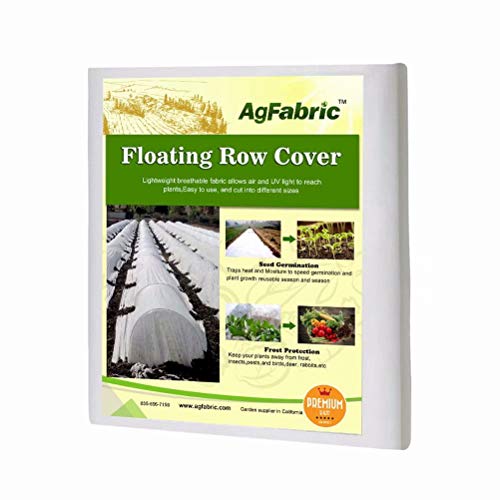
Heavy-weight FRCs(0.9-1.2oz./sq.yard):Are usually used to extend the growing season in spring and fall,allow 30%-50% light transmission,and recommend of freeze protection and season extension

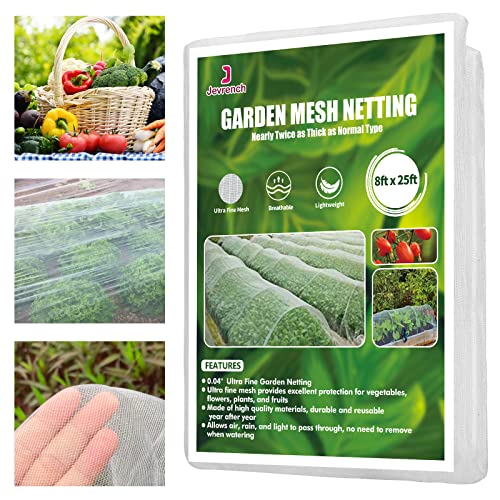
Defend Against Unwanted Visitors: Gardening is a rewarding and fulfilling endeavor, and you'll watch your plants grow from nothing to maturity before you finally harvest them. Once the plants begin to flower and bear fruit, these unwelcome visitors visit your garden and often leave a trail of destruction. Garden netting is the best choice for protecting your plants
Spring Planting
Spring is an excellent time to plant lettuce seeds. Aim to sow seeds two to four weeks before the last expected frost. This typically falls between late March and early April, depending on your region.
- Choose Your Varieties: Select fast-growing types like Leaf Lettuce for earlier harvests. For a later yield, consider Romaine or Butterhead.
- Soil Preparation: Ensure the soil is well-draining and rich in organic matter. You can add compost to enhance soil quality.
- Timing for Transplants: If you’re starting indoors, transplant seedlings when they have two to four true leaves. This usually occurs 3 to 4 weeks after germination.
Fall Planting
Fall planting offers another opportunity for growing lettuce. Plant seeds six to eight weeks before the first expected frost.
- Ideal Timing: In many areas, this is typically between late August and mid-September. Adjust based on local frost dates.
- Choose Cold-Hardy Varieties: Varieties like Iceberg and Butterhead perform well in cooler temperatures and can tolerate light frosts.
- Protect Against Frost: Use row covers or cloches to shield plants from frost as temperatures drop. This helps extend the growing season.
By paying attention to these planting times and conditions, you can enjoy fresh lettuce throughout the growing season.
Locations and Climate Considerations
Lettuce thrives in specific climate conditions and locations. Understanding these factors helps you plant seeds at the right time for a successful harvest.
Recommended Products

EASIER SEED STARTING: Our Burpee SuperSeed tray with 36 flexible pop-out cells is designed to simplify indoor seed starting for all your favorite vegetables, flowers and herbs. Just add seed starting mix, seeds, water and light to get growing! Rows are labeled alphanumerically for seedling identification with included Plant-o-Gram diagram. Tray dimensions: 11.5" x 10-3/8" x 2-1/4"

CONTAINS: This organic Seed Stating soil mix is a rich blend of sphagnum peat moss & perlite with yucca extract and lime to ensure correct pH.

EASIER SEED STARTING: Our Burpee SuperSeed tray with 8 extra-large flexible pop-out cells is designed to simplify indoor seed starting. Just add seed starting mix, seeds, water and light to get growing! Perfectly sized for starting seeds in the windowsill: 11.5" x 5-3/16" x 2-1/4". Rows are labeled alphanumerically for seedling identification with included Plant-o-Gram diagram.
Cool-Season vs. Warm-Season Regions
Cool-season regions offer ideal conditions for growing lettuce. In these areas, temperatures range from 60°F to 70°F, providing lettuce with a perfect environment for growth. You’ll find success planting lettuce in early spring or late summer. Fast-growing varieties like Leaf Lettuce adapt well and reach maturity within 30 to 60 days.
Warm-season regions require some adjustments. Higher temperatures can cause lettuce to bolt, or flower prematurely, leading to a bitter taste. Plant lettuce in early spring or late fall to avoid the heat. Opt for heat-resistant varieties, such as Butterhead or Romaine, which can tolerate warmer temperatures better.
Indoor vs. Outdoor Planting
Indoor planting offers more control over conditions. Start your lettuce seeds indoors 3 to 4 weeks before the last frost date. Use seed trays or pots with a quality seed-starting mix. Keep the soil moist and ensure the trays receive plenty of light. When seedlings have two to four true leaves, transplant them outdoors.
Outdoor planting demands attentiveness to local conditions. Prepare your garden bed by enriching the soil with organic matter. Sow lettuce seeds directly into well-draining soil, ¼ to ½ inch deep. Maintain consistent moisture, but avoid overwatering. Consider using row covers early in the season to shield seeds from unexpected frost.
By understanding these locations and climate considerations, you can create the best possible environment for your lettuce seeds, ensuring a bountiful harvest.
Practical Tips for Planting Lettuce Seeds
Planting lettuce seeds requires careful attention to detail to ensure a thriving crop. Consider the following practical tips to optimize your planting process.
Recommended Products

Quick, at home results for Soil pH, Nitrogen, Phosphorous and Potash Innovative and inexpensive soil test kit features an easy-to-use capsule system and patented color comparators

Black Seeded Simpson is a classic heirloom loose leaf lettuce with large, tender green leaves and a mild, sweet flavor. Harvest fresh leaves for salads, sandwiches, wraps, and other homegrown meals.

"Mesclun" comes from the Provençal French word meaning "mixture" — this style of mixed salad greens originated in the Nice region of France and became a staple of fine restaurants worldwide before becoming a home garden favorite.
Soil Preparation
Prepare your soil before planting lettuce seeds for optimal growth. Start by selecting well-draining, nutrient-rich soil. Mix in compost to enhance fertility and moisture retention. Ensure the soil’s pH level stays between 6.0 and 7.0; you can buy pH testing kits at garden centers. Break up any clumps and remove rocks or weeds. Loosen the soil to a depth of at least 12 inches. This promotes proper root development.
Seed Spacing and Depth
Space your lettuce seeds appropriately to promote air circulation and healthy growth. Plant seeds about 1 inch apart in rows spaced 12 to 18 inches apart. For larger varieties, like Romaine, increase the spacing to 4 to 6 inches apart once young plants emerge. Sow seeds at a depth of ¼ to ½ inch. Cover them lightly with soil and gently tamp it down to ensure good seed-to-soil contact. Water lightly after planting to avoid displacing the seeds. This method supports early growth and reduces competition among young plants.
Conclusion
Timing is everything when it comes to planting lettuce seeds. By understanding your local climate and the specific needs of different lettuce varieties, you can set yourself up for a successful harvest. Remember to keep an eye on frost dates and choose the right planting window to ensure your lettuce thrives.
Whether you’re sowing seeds in spring or fall, proper soil preparation and care will make all the difference. With a little patience and attention, you’ll be enjoying fresh, homegrown lettuce in no time. Happy gardening!
Frequently Asked Questions
When is the best time to plant lettuce seeds?
The best time to plant lettuce seeds is in early spring, about 2 to 4 weeks before the last expected frost. This typically falls between late March and early April. For a fall harvest, plant seeds 6 to 8 weeks before the first expected frost, around late August to mid-September.
What are the ideal growing conditions for lettuce?
Lettuce thrives in well-draining, nutrient-rich soil with a pH between 6.0 and 7.0. It prefers full sun exposure and consistent moisture. Maintaining temperatures between 60°F and 70°F will also promote optimal growth.
How should I prepare the soil for planting lettuce?
Prepare the soil by loosening it to a depth of at least 12 inches and mixing in organic matter, like compost. This ensures proper drainage and nutrient availability, which are crucial for healthy lettuce growth.
What types of lettuce should I consider planting?
Consider fast-growing varieties like Leaf Lettuce for quick harvests. For cooler temperatures, Iceberg and Butterhead are excellent choices. Romaine is great for larger space requirements and can adapt well to various growing conditions.
Can I start lettuce seeds indoors?
Yes, you can start lettuce seeds indoors. Transplant seedlings when they have 2 to 4 true leaves, typically 3 to 4 weeks after germination. This helps you get a head start on the growing season and protects young plants from frost.
How do I protect lettuce from frost?
To protect lettuce from frost, consider using row covers or cloches, especially during cooler nights. This will help retain warmth and prolong the growing season, allowing for successful fall harvesting.
What spacing should I use when planting lettuce seeds?
Space seeds about 1 inch apart in rows that are 12 to 18 inches apart. Larger varieties like Romaine require more space. Sow seeds at a depth of ¼ to ½ inch, lightly covering them with soil for optimal growth.
What techniques can I use to prevent lettuce from bolting in warm climates?
In warm climates, plant lettuce in early spring or late fall to avoid bolting. Choose heat-resistant varieties and consider providing shade during the hottest parts of the day to help manage temperature extremes.
