

Have you ever wondered when to pick your homegrown lettuce? Timing can make all the difference between a crisp, delicious salad and a bitter disappointment. If you’ve ever faced the dilemma of whether to harvest early or wait a bit longer, you’re not alone.
Key Takeaways
- Understand Growth Stages: Lettuce grows through germination, seedling, and maturity phases; recognizing these stages helps determine the right harvest time.
- Identify Readiness Signs: Look for key indicators such as leaf size, color, texture, and center head development to confirm your lettuce is ready for picking.
- Choose Ideal Conditions: Harvest lettuce in the morning, on dry days, and at temperatures between 60°F and 70°F to ensure maximum freshness and flavor.
- Use Proper Harvesting Techniques: Hand harvesting helps prevent damage, while tools like garden knives and scissors can speed up the process while maintaining quality.
- Implement Effective Storage Methods: Refrigerate lettuce immediately and avoid washing until use to preserve its freshness for longer.
- Adopt Best Handling Practices: Inspect your lettuce before storage, consume it within 7 to 10 days, and handle it with clean tools to reduce spoilage risk.
Understanding Lettuce Growth Stages
Lettuce growth consists of three critical stages that dictate the optimal time for harvesting. Understanding these stages helps ensure that you pick your lettuce at its peak quality.
Germination Phase
Germination marks the beginning of lettuce growth. During this phase, seeds absorb moisture and swell. This process typically takes 7 to 10 days, depending on soil temperature and moisture levels. You’ll see small sprouts emerge about a week after planting. Keep the soil consistently moist but not waterlogged.
Seedling Phase
The seedling phase follows germination and lasts around 2 to 4 weeks. The first true leaves appear, indicating healthy growth. During this stage, ensure your seedlings receive adequate sunlight—around 12 to 14 hours daily works best. Thin out crowded seedlings to promote airflow and nutrient access. This keeps plants stronger and less prone to disease.
Maturity Phase
The maturity phase signifies when lettuce plants develop fully and are ready for harvest. This phase lasts about 4 to 8 weeks after the seedling stage, depending on the variety. Look for heads that are firm and full, or leaves that are vibrant and healthy. Checking the variety’s specific maturity timeline helps you determine the best harvest time. Picking at the right moment ensures crisp, sweet lettuce rather than bitter-tasting leaves.
Determining Harvest Time
Knowing when to harvest lettuce is crucial for maximizing quality. Several indicators signal readiness for a tasty yield.
Recommended Products

K115 Crop Harvest Knife, 7.25-Inch Blade, is designed for trimming lettuce, greens, and soft-stemmed vegetables.

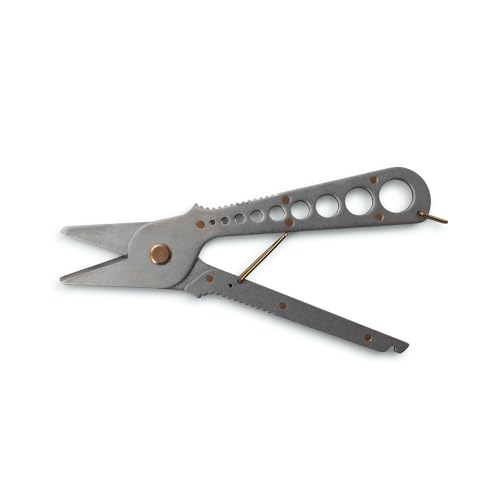
Versatile All-in-One Herb Tool: This pocket-sized implement is your ultimate herb harvesting and stripping solution. Trim your herbs with precision using the sharp scissors side and effortlessly clear and strip a variety of greens
Signs of Readiness
Look for these signs to identify when your lettuce is ready for harvesting:
- Leaf Size: Leaves should reach a desirable size, typically 6 to 12 inches long, depending on the variety.
- Leaf Color: Color should appear vibrant and rich, signaling healthy growth. Avoid yellowing, which can indicate stress.
- Texture: Leaves should feel firm and crisp, not wilted or limp.
- Center Head Development: For heading varieties, ensure the center forms a tight head before harvesting. This shows the plant’s maturity.
- Taste Test: Enjoy a leaf to check for sweetness and tenderness. If it tastes good, it’s ready to pick.
Ideal Conditions for Harvesting
Optimal conditions enhance both quality and flavor. Harvest lettuce during these ideal scenarios:
- Morning Timing: Early morning provides the coolest temperatures. Harvest when dew is still present; this helps maintain freshness.
- Dry Weather: Choose dry days for harvesting. Wet leaves can lead to spoilage during storage.
- Temperature Awareness: Ideal temperatures for harvesting range between 60°F and 70°F. Cooler conditions help preserve crispness.
- Avoiding Long Stays: Minimize time between harvest and consumption. Use harvested leaves soon to enjoy maximum flavor and crunch.
With these signs and conditions in mind, you can ensure your lettuce reaches the table fresh and flavorful.
Harvesting Techniques
Harvesting lettuce can be a straightforward process, but using the right techniques ensures you maintain quality and flavor. Here are two effective methods to consider.
Recommended Products
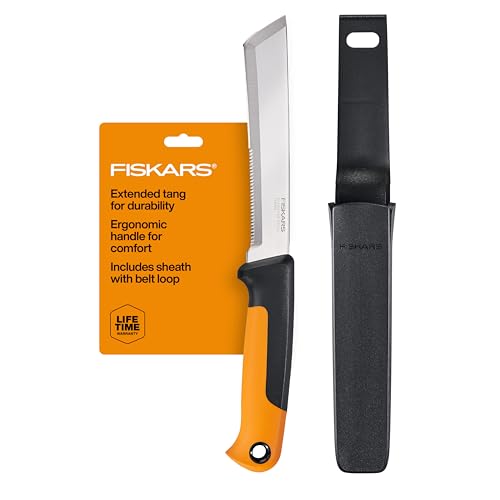
IDEAL FOR HARVESTING: Includes (1) Fiskars Harvesting Knife with hard plastic sheath and belt loop; perfect for thick stalks and stems, ensuring clean and precise cuts with ease in vegetable gardens and orchards; backed by a Lifetime Warranty

HERB GARDENING ESSENTIAL: Stainless steel blade plant shears with sheath ideal for harvesting herbs outdoors or with a window herb garden for kitchen; encourages overall lawn and garden health, or perfect gift to go with any indoor herb garden kit
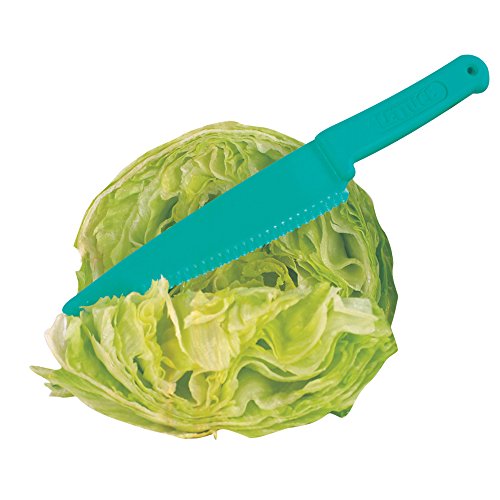
DURABLE DESIGN: Constructed from long-lasting and heat-resistant polystyrene plastic.
Hand Harvesting
Hand harvesting is a gentle method that helps preserve the delicate leaves. To harvest by hand, follow these steps:
- Assess Readiness: Ensure your lettuce meets the indicators of maturity, like size and firmness.
- Choose the Right Time: Pick lettuce in the early morning or late afternoon to avoid heat stress.
- Grip the Base: Hold the base of the lettuce head and gently pull upward. For loose-leaf varieties, pinch the leaves off at the base, leaving the roots intact for potential regrowth.
- Remove Damage: Discard any damaged or wilted leaves during the process to maintain freshness.
This method limits bruising and helps keep the leaves crisp.
Using Tools
Using tools can speed up the harvesting process and reduce strain on your hands. Consider these tools:
- Garden Knife: A sharp garden knife works well for cutting through the base of larger heads. Slide the knife beneath the head at an angle for a clean cut.
- Scissors: Use sharp scissors for cutting loose-leaf varieties. Cut leaves 1-2 inches above the ground to encourage regrowth.
- Harvest Basket: Use a harvest basket to collect leaves as you cut. This prevents leaves from bruising against the ground and minimizes dirt contamination.
Implementing these tools helps streamline your harvesting process while ensuring the quality of your lettuce.
Post-Harvest Handling
Post-harvest handling significantly impacts the freshness and flavor of your harvested lettuce. Proper care ensures that the lettuce stays crisp and retains its delicate taste.
Recommended Products
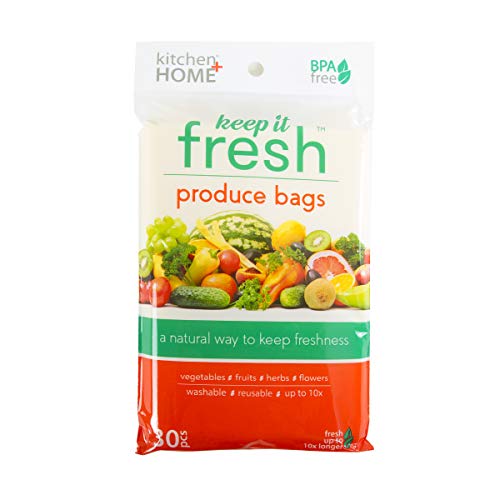
PRESERVE FRESHNESS – As fruits and vegetables ripen they naturally emit ethylene gas which speeds up the natural decomposition process. Keep it Fresh produce bags absorbs this harmful gas and slows down the ripening process, so your produce and flowers stay fresh up to 10 times longer!
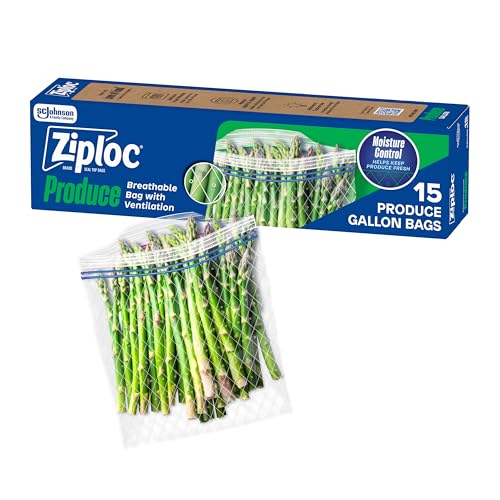
Moisture Control: Ziploc Brand gallon reusable produce bags with moisture control help keep produce fresh
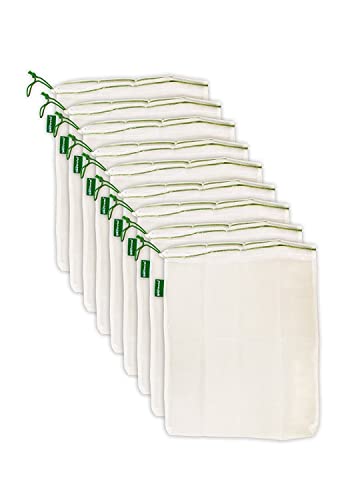
SUPER VALUE - You will receive a total of 9 Mesh Produce Bags! SIZE: Each Bag Measures 11" X 13.5"
Storage Methods
Storing lettuce correctly preserves its quality. Use these methods:
- Refrigeration: Place harvested lettuce in the refrigerator immediately. Store it in a breathable produce bag or wrap it loosely in a damp paper towel to maintain moisture.
- Temperature Control: Keep the refrigerator temperature between 32°F and 36°F. This range helps prevent wilting while avoiding freezing.
- Avoid Washing Until Use: Refrain from washing lettuce until you’re ready to eat it. Excess moisture can promote spoilage.
- Keep Away from Ethylene Producers: Store lettuce away from fruits like apples, bananas, and tomatoes, as they emit ethylene gas, which can cause lettuce to spoil faster.
Best Practices
Employing best practices during handling promotes optimal flavor and quality. Follow these tips:
- Inspect Before Storing: Check for damaged or wilted leaves. Remove any inferior leaves to retain the quality of the remaining lettuce.
- Use Clean Tools: Use clean hands or tools when handling lettuce. This reduces the risk of contamination.
- Consume Quickly: Aim to eat harvested lettuce within 7 to 10 days. This timeframe guarantees peak flavor and texture.
- Consider Portioning: If harvesting large quantities, consider portioning them for storage. Smaller amounts are easier to manage and keep fresh.
Implementing these storage methods and best practices keeps your lettuce delicious and ready for salads and garnishes.
Conclusion
Harvesting your lettuce at the right time can make all the difference in flavor and texture. By paying attention to the growth stages and indicators of readiness you can enjoy crisp and sweet leaves instead of bitter ones.
Remember to choose a cool morning for harvesting and handle your lettuce gently to keep it fresh. With the right techniques and storage methods you can savor the deliciousness of your homegrown lettuce for days. Happy gardening and enjoy your salads!
Frequently Asked Questions
When is the best time to harvest homegrown lettuce?
The best time to harvest homegrown lettuce is during the maturity phase, typically 4 to 8 weeks after seedlings develop. Look for signs like leaf size (6 to 12 inches), vibrant color, and a firm texture. Harvesting in the morning when temperatures are cooler ensures maximum crispness.
How can I tell if my lettuce is ready to harvest?
Lettuce is ready to harvest when its leaves are at least 6 to 12 inches long, the color is vibrant, and it feels firm. For heading varieties, a tight center head is another good indicator. A taste test can also help ensure it’s sweet and tender.
What harvesting techniques should I use for lettuce?
For optimal harvesting, hand harvesting is recommended to avoid damaging the leaves. Grip the base firmly and cut above the root. Garden tools like scissors or a garden knife can also speed up the process while ensuring the lettuce remains fresh and intact.
How should I store harvested lettuce?
To store harvested lettuce properly, refrigerate it in a breathable produce bag or wrapped in a damp paper towel. Maintain a refrigerator temperature between 32°F and 36°F, and avoid washing until ready to use for best results.
What are the best conditions for harvesting lettuce?
Ideal conditions for harvesting lettuce include cool temperatures, ideally between 60°F and 70°F, and dry weather to prevent spoilage. Early morning is the best time to pick lettuce, as it helps maintain its crispness and flavor.
How long can harvested lettuce last in the fridge?
Freshly harvested lettuce typically lasts 7 to 10 days in the refrigerator when stored correctly. For peak flavor and quality, consume it within this timeframe, and inspect regularly for any damaged leaves.
