

Have you ever stared at your garden and wondered when the perfect time is to harvest your romaine lettuce? It’s a common dilemma for gardeners eager to enjoy their homegrown greens. Timing can make all the difference between crisp, flavorful leaves and tough, bitter ones.
Key Takeaways
- Growth Stages: Romaine lettuce has three growth stages: seedling, maturity, and readiness for harvest, with optimal harvesting occurring between 60 to 75 days post-planting.
- Harvest Signs: Look for mature leaves measuring 6 to 12 inches in length, vibrant green color, and firm texture to determine when the lettuce is ready to be harvested.
- Best Timing: Harvest during cooler seasons in early spring or late fall, as high temperatures above 75°F may cause bitterness and bolting.
- Harvesting Techniques: Use a sharp knife or scissors for a clean cut at the base of the head, and collect the lettuce in a breathable basket to avoid spoilage.
- Storage Tips: Ensure proper storage by removing damaged leaves and keeping the lettuce cool, preferably in a damp cloth or refrigerator, to maintain freshness.
Understanding Romaine Lettuce Growth Stages
Understanding the growth stages of romaine lettuce helps you determine the best time to harvest. You can expect three main stages: the seedling stage, the maturity stage, and the readiness for harvest.
Seedling Stage
In the seedling stage, germination occurs within 7 to 14 days after planting. At this point, young plants develop their first true leaves, known as cotyledons. Keep the soil consistently moist and provide adequate light to promote healthy growth. Thin the seedlings to ensure proper spacing, allowing each plant enough room to grow.
Maturity Stage
The maturity stage occurs around 60 to 75 days after planting. During this stage, the leaves grow larger and more robust. Watch for a firm, compact head as the lettuce matures. Pay attention to the leaf edges; they should remain crisp rather than wilting or turning brown. Optimal harvesting happens once the heads reach a height of around 6 to 12 inches and before bolting starts.
By knowing these stages, you can harvest your romaine lettuce at the perfect time for the best flavor and texture.
Signs That Romaine Lettuce Is Ready for Harvest
Recognizing the right time to harvest romaine lettuce is crucial for achieving the best taste and texture. Here are the key signs to look for:
Recommended Products

Tupperware Lettuce Corer Serrated Knife Like Gadget in Mint Green

Tupperware Green Lettuce Corer Knife

Equipped with a stainless steel V-blade that cuts cabbage lettuce cucumbers and more into thin uniform shreds with minimal effort.
Leaf Size and Color
Look for mature leaves that measure between 6 to 12 inches in length. The color should be a vibrant green, indicating healthy growth. If the leaves start to turn yellow, it’s a signal that the lettuce is past its prime and may taste bitter.
Texture and Firmness
Feel the heads of romaine lettuce for firmness. A ready-to-harvest head should feel solid and sturdy. Gently squeeze the head; it should not feel spongy or soft. If the texture is too loose, wait a few days before checking again.
Best Time to Harvest Romaine Lettuce
Timing is crucial when harvesting romaine lettuce. Harvest at the right moment to ensure optimal flavor and texture.
Recommended Products

Complete Lettuce Garden Starter Kit Indoor – 5 heirloom salad and green seed packets, 8 biodegradable soil disks, 8 plant markers, and 8 starter pots. Romaine, Spinach, Arugula, Kale and Buttercrunch lettuce heirloom seeds are the star of the set!

COMPLETE VARIETY PACK: Eight popular lettuce seeds including Buttercrunch, Romaine, Iceberg, Bibb, Red Oakleaf, Prizehead, plus Kale and Spinach; Perfect lettuce seeds for planting outdoors or in hydroponic systems
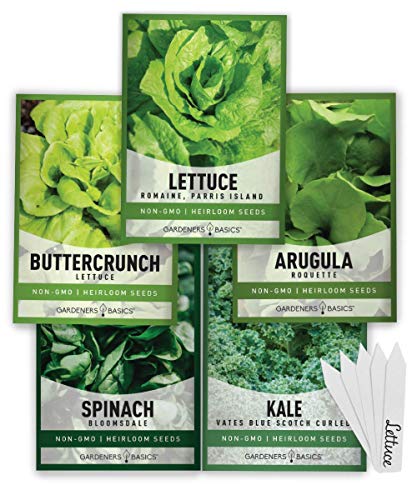
Five leafy greens varieties: Plant Parris Island romaine lettuce seeds, Buttercrunch lettuce seeds, Roquette arugula seeds, Vates Blue Scotch Curled kale seeds, and Bloomsdale spinach seeds. Includes 4,500+ seeds in five separate labeled packets.
Timing Based on Planting Method
The method you choose for planting can affect when you should harvest. If you planted romaine lettuce directly into the ground, you typically can harvest around 60 to 75 days post-planting. For those who’ve used indoor seed starting, transplanting usually allows for a slightly earlier harvest, often within 50 to 70 days after moving the plants outside. Monitor the heads closely to decide the best harvest time.
Seasonal Considerations
Seasonality plays a significant role in harvesting romaine lettuce. In cooler climates, aim to harvest in early spring or late fall for the best flavor. Warm weather can cause the plants to bolt more quickly. If the temperatures rise above 75°F, you might notice the lettuce becoming more bitter. Check for signs of bolting, such as flowering or elongated stems, and harvest promptly to enjoy fresher, tastier leaves.
Harvesting Techniques
Harvesting romaine lettuce requires the right tools and handling techniques to ensure you get the best quality leaves. Proper preparation enhances your harvesting experience and leads to fresher produce.
Recommended Products

The blades are made of Japanese high-quality stainless steel and rounded outside edges to protect and reduce product or stem damage.

Chop Salad in the Bowl: These salad chopper scissors turn a bowl of lettuce and toppings into a finely chopped salad. The salad cutter tool has a curved anti-splash head and needs no chopping board

【Multifunctional Salad Scissors】Our pampered chef stainless steel salad scissors are designed with an ergonomic handle that provides a comfortable and non-slip grip, making it easy to chop fruits and vegetables directly or in the salad bowl. The high-grade stainless steel blades with micro-serrated edges make it easy to work as a salad chopper, and the versatile design allows you to quickly chop lettuces, tomatoes, and fruits without the need for sharpening a knife.
Tools Needed
- Sharp Knife or Scissors: A clean, sharp knife or kitchen scissors helps you make precise cuts without damaging the leaves.
- Basket or Container: Use a breathable basket to store freshly cut heads. Avoid plastic bags as they can trap moisture and lead to spoilage.
- Gardening Gloves: Wearing gloves protects your hands from dirt and potential irritants.
- Cutting Technique: For optimal harvesting, cut romaine lettuce at the base of the head. A clean cut preserves the integrity of the plant and reduces bruising.
- Avoiding Damage: Handle the heads gently to maintain their firmness. Dropping them can lead to bruising or a quicker decay.
- Timing: Harvest in the cool part of the day, preferably early morning or late afternoon. This practice keeps the leaves crisp and minimizes stress on the plant.
- Storage: Remove any damaged or yellowing leaves before storing. Place heads in a cool location or refrigerate them, ideally wrapped in a damp cloth to maintain moisture without causing rot.
Conclusion
Harvesting romaine lettuce at the right time can make all the difference in taste and texture. By keeping an eye on the size and firmness of the heads you can ensure you’re picking them at their peak. Remember to check for vibrant green leaves and avoid those that are yellowing.
Don’t forget to use the right tools and techniques for a successful harvest. Timing your harvest during cooler parts of the day will help keep those leaves crisp. With a little attention and care you’ll enjoy fresh and flavorful romaine lettuce straight from your garden. Happy harvesting!
Frequently Asked Questions
When is the best time to harvest romaine lettuce?
The best time to harvest romaine lettuce is when the heads reach a height of 6 to 12 inches, typically around 60 to 75 days after planting. Timing matters to ensure the leaves are crisp and flavorful, rather than tough and bitter.
What signs indicate romaine lettuce is ready for harvest?
Look for vibrant green mature leaves that measure between 6 to 12 inches in length. A solid and firm head indicates readiness, while yellowing leaves or a spongy texture suggest it may be past its prime.
How does temperature affect romaine lettuce harvesting?
Warmer temperatures above 75°F can lead to bitterness and earlier bolting. In cooler climates, early spring or late fall is ideal for harvesting. Monitoring temperature conditions is crucial for optimal flavor.
What tools do I need for harvesting romaine lettuce?
Essential tools include a sharp knife or scissors for clean cuts, gardening gloves for hand protection, and a breathable basket for storage. These tools help ensure effective and safe harvesting.
How should I store romaine lettuce after harvesting?
To prolong freshness, remove any damaged leaves and refrigerate the heads wrapped in a damp cloth. This method helps maintain crispness and flavor until you’re ready to enjoy them.
