

Wondering when to harvest your romaine lettuce? You’re not alone. Many gardeners face the challenge of timing their harvest just right. Too early, and you miss out on the crisp, sweet flavor; too late, and the leaves may become tough and bitter.
Key Takeaways
- Optimal Harvest Timing: Aim to harvest romaine lettuce between 70 to 80 days after planting, ensuring it reaches a height of 10 to 12 inches for the best flavor and texture.
- Growth Stages Insight: Familiarize yourself with the growth stages of romaine lettuce, from the seedling stage to the mature plant stage, to better gauge the right harvesting time.
- Visual and Physical Cues: Look for vibrant green, crisp leaves and measure plant height to determine when your romaine is ready for harvesting; avoid leaves that appear dark or rough.
- Morning Harvesting Benefits: Harvesting in the morning is ideal, as cooler temperatures keep leaves hydrated, enhancing their crispness and prolonging freshness.
- Harvesting Techniques: Use a sharp knife to cut outer leaves first, promoting continued growth from the inner leaves for future harvests, and always rinse thoroughly post-harvest.
- Soil and Over-Harvesting Awareness: Ensure good soil conditions and avoid over-harvesting by taking only a few outer leaves at a time to extend the harvesting period and maintain plant health.
Understanding Romaine Lettuce Growth Stages
You’ll observe different stages of growth when cultivating romaine lettuce. Understanding these stages helps in deciding the right time to harvest for optimal flavor and texture.
Seedling Stage
In the seedling stage, your romaine lettuce plants are typically 2 to 4 inches tall. They develop their first true leaves, which appear after the initial seed leaves. Monitor moisture levels closely during this phase, as consistent watering encourages sturdy stem growth. Thin seedlings to 6 inches apart to ensure proper air circulation and nutrient access. This stage lasts about 4 to 6 weeks.
Mature Plant Stage
During the mature plant stage, romaine lettuce reaches a height of 10 to 12 inches. Leaves become thick and crunchy. At this point, you can check the overall leaf size and color to determine readiness for harvest. Harvest with a sharp knife, cutting leaves at the base. You can begin harvesting anywhere from 70 to 80 days after planting. To extend your harvest, consider cutting only the outer leaves, allowing the inner leaves to continue growing.
Signs Your Romaine Lettuce Is Ready to Harvest
Identifying when to harvest romaine lettuce involves observing several key signs. Harvest at the right time for the best flavor and texture.
Recommended Products
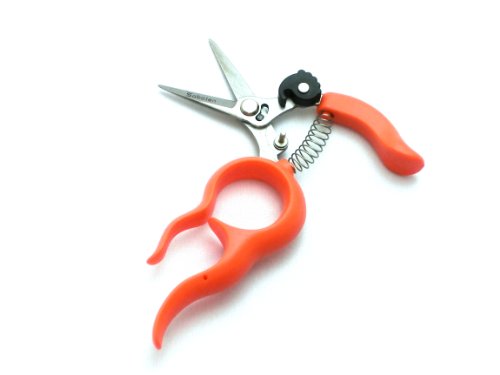
[Caution] Picture shown is 1318S.

K115 Crop Harvest Knife, 7.25-Inch Blade, is designed for trimming lettuce, greens, and soft-stemmed vegetables.

Chop Salad in the Bowl: These salad chopper scissors turn a bowl of lettuce and toppings into a finely chopped salad. The salad cutter tool has a curved anti-splash head and needs no chopping board
Leaf Color and Texture
Watch for vibrant green leaves that indicate healthy growth. The outer leaves should appear crisp and sturdy, with no signs of wilting. If the leaves develop a darker, duller color or exhibit a rough texture, it signals overmaturity. At this point, flavor may decline, and bitterness may increase.
Plant Height and Size
Measure your plants for the best harvest determination. Romaine should reach 10 to 12 inches in height. Once it achieves this size, you can begin harvesting. If you prune only the outer leaves, the inner leaves can continue growing, extending your harvest period. Aim for thick, uniform leaves; thin or leggy plants indicate they might be past their prime.
Best Time to Harvest Romaine Lettuce
You’ll achieve the best flavor and texture by harvesting romaine lettuce at the right time. Follow these guidelines to ensure you get the most from your crop.
Recommended Products

Equipped with a stainless steel V-blade that cuts cabbage lettuce cucumbers and more into thin uniform shreds with minimal effort. Made from durable food-grade plastic with a...
Morning Harvest Benefits
Harvesting your romaine lettuce in the morning offers several advantages. Leaves tend to be crisp and firm because the cool temperatures keep them hydrated. This results in a fresher taste. Additionally, morning harvesting reduces moisture loss, prolonging storage life. Plan your harvesting around early hours for optimal quality.
Timing for Maximum Flavor
Timing is crucial for maximum flavor in romaine lettuce. Aim for the 70 to 80-day mark post-planting. By this time, your plants should measure 10 to 12 inches tall and display vibrant, sturdy leaves. Monitor your plants closely; once they reach this height, check their leaf texture. Harvest when leaves are thick and crunch, avoiding any that appear dark or rough, as these indicate overmaturity, leading to bitterness. For a continued harvest, pick only the outer leaves, allowing the center to grow.
Harvesting Techniques for Romaine Lettuce
Harvesting romaine lettuce requires the right techniques to ensure a high-quality yield. The following methods can help you effectively gather your crop while preserving its freshness.
Recommended Products

QUICK & CONVENIENT: Wash and spin-dry salad greens, fruits, and vegetables effortlessly with the Cuisinart 3qt Salad Spinner.

One-Touch OXO Salad Spinner: Did you know that OXO invented the one-touch salad spinner? Its one-handed pump gives you maximum drying of lettuce with minimum effort
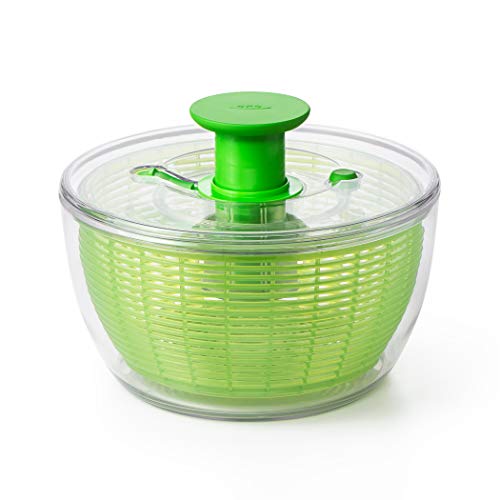
Easy one-handed operation: Spin lettuce, herbs, or fruit fast with the built-in pump—no cords or plugs.
Cutting Methods
- Use a Sharp Knife: A sharp knife prevents leaf damage. Cut just above the base, ensuring a clean slice.
- Harvest Outer Leaves First: Start with the outer leaves. This method promotes continued growth in the center, allowing for multiple harvests.
- Timing Is Key: Choose early morning for harvesting. Cooler temperatures keep the leaves crisp and enhance flavor.
- Monitor Plant Growth: Regularly check your plants. Harvest when they reach 10 to 12 inches in height for optimal taste.
- Immediate Rinse: Rinse leaves gently with cool water right after cutting. This removes dirt and pests, ensuring freshness.
- Dry Thoroughly: Use a salad spinner or gently pat leaves dry with a kitchen towel. Excess moisture can lead to wilting.
- Store Properly: Place cleaned and dried romaine in a plastic bag with small holes or in a breathable produce container. This keeps air circulation optimal.
- Refrigerate Quickly: Store the lettuce in the refrigerator’s crisper drawer. Keeping it cold preserves its crispness.
By following these techniques, you can maximize your romaine lettuce’s quality and flavor, ensuring a satisfying harvest every time.
Common Mistakes to Avoid
Avoiding common mistakes helps ensure a successful romaine lettuce harvest. Focus on these two critical areas to improve your gardening results.
Over-Harvesting Concerns
Over-harvesting can hinder the growth of your romaine lettuce. When you repeatedly remove too many leaves at once, it stresses the plant. Aim to harvest only the outer leaves. Leave the inner leaves intact to allow continued growth. If you cut the entire plant at once, you miss out on a longer harvest period. Consider a staggered approach: harvest a few leaves several times a week rather than taking everything in one go.
Ignoring Soil Conditions
Ignoring soil conditions can negatively affect your lettuce crop. Ensure your soil drains well and retains some moisture. Nutrient-rich soil promotes healthy growth. Test your soil’s pH—romaine lettuce thrives best in a range of 6.0 to 7.0. Incorporate organic matter to enhance soil quality. Regularly check soil moisture; both drought and waterlogging can lead to poor yield. Observing the soil’s condition helps prevent issues that can affect your harvest.
Conclusion
Harvesting your romaine lettuce at the right time can make all the difference in flavor and texture. By keeping an eye on the growth stages and signs of readiness you can enjoy crisp and delicious leaves. Remember to check for vibrant green colors and the ideal height to ensure you’re picking at the peak of freshness.
When you’re ready to harvest take your time and use the right techniques to maximize your yield. With a little patience and attention you’ll be rewarded with a bountiful harvest that adds a delightful crunch to your meals. Happy gardening and enjoy the fruits of your labor!
Frequently Asked Questions
When is the best time to harvest romaine lettuce?
The best time to harvest romaine lettuce is when the plants reach 10 to 12 inches tall, typically 70 to 80 days after planting. Aim to harvest in the morning for fresher and crisper leaves.
What are the signs that romaine lettuce is ready for harvest?
Romaine lettuce is ready to harvest when the leaves are vibrant green, crisp, and sturdy, and the plant is 10 to 12 inches tall. Darkening or rough leaves indicate it may be over mature, leading to bitterness.
How can I prolong the harvest of my romaine lettuce?
To prolong your romaine lettuce harvest, cut only the outer leaves while allowing the inner leaves to continue growing. This method encourages ongoing growth and results in a prolonged harvesting period.
What harvesting techniques should I use for romaine lettuce?
Use a sharp knife to cut the outer leaves just above the base of the plant. After cutting, rinse the leaves gently with cool water, dry them thoroughly, and store them properly in a breathable container in the refrigerator.
What mistakes should I avoid when harvesting romaine lettuce?
Avoid over-harvesting, as this can stress the plant. Only remove outer leaves and adopt a staggered harvesting approach. Also, ensure your soil is well-draining, nutrient-rich, and regularly check soil moisture for optimal growth.
