

Are you eager to grow your own romaine lettuce but unsure when to plant it? Timing can make all the difference in your gardening success. Whether you’re a seasoned gardener or just starting out, knowing the right time to plant can help you enjoy a bountiful harvest.
Key Takeaways
- Optimal Timing: Plant romaine lettuce in early spring (late March to mid-April) or late summer (mid-August to early September) for best results, adjusting based on local climate conditions.
- Growth Cycle: Recognize the four stages of romaine lettuce growth: germination, seedling, vegetative, and maturity, typically taking 70 to 90 days from planting to harvest.
- Soil and Temperature Needs: Ensure soil temperatures are between 45°F and 85°F for successful germination, with at least 50°F preferred for planting.
- Local Adaptation: Adjust planting times according to USDA Hardiness Zones and regional climate differences to optimize growth and avoid frost risks.
- Weather Monitoring: Keep an eye on local weather patterns to time your planting correctly and avoid unexpected cold spells or heat waves that can affect growth.
- Soil Preparation: Properly prepare the soil with compost and maintain adequate spacing for seedlings to enhance growth and yield.
Understanding Romaine Lettuce Growth
Romaine lettuce has specific growth needs and cycles you should understand for optimal planting and harvesting. Knowing these factors can enhance your gardening success.
Growth Cycle Overview
Romaine lettuce typically takes 70 to 90 days from planting to harvest. The cycle consists of four main stages:
- Germination: Seeds sprout and emerge within 5 to 10 days in warm, moist soil.
- Seedling Stage: Young plants develop their first true leaves, usually lasting 2 to 3 weeks.
- Vegetative Growth: During this stage, the plant focuses on leaf production, which lasts 4 to 6 weeks. Adequate sunlight and nutrients promote healthy growth.
- Maturity: The plant reaches full size, ready for harvesting. This stage varies by variety but generally occurs around 10 to 14 weeks after planting.
Climate Considerations
Climate plays a crucial role in growing romaine lettuce. Ideal temperatures range from 60°F to 70°F. Here’s what to consider:
- Season Timing: Plant in early spring or late summer to avoid heat stress. Late fall also works in mild climates.
- Soil Temperature: Soil should be between 45°F and 85°F for optimal germination. If it’s too cold, seeds may rot; if too hot, they may prematurely bolt.
- Frost Risk: Protect young plants from unexpected frosts. Use row covers or cloches if a cold snap threatens.
By understanding these aspects, you can create conditions that foster healthy romaine lettuce growth.
Optimal Planting Times
Timing greatly affects the success of your romaine lettuce crop. Understanding when to plant ensures robust growth and maximizes yield.
Recommended Products

Complete Lettuce Garden Starter Kit Indoor – 5 heirloom salad and green seed packets, 8 biodegradable soil disks, 8 plant markers, and 8 starter pots. Romaine, Spinach, Arugula, Kale and Buttercrunch lettuce heirloom seeds are the star of the set!

🥬 Heat-Tolerant Upright Romaine: Jericho Romaine Lettuce (Lactuca sativa) forms tall, sturdy heads with crisp ribs and tender, mildly sweet leaves. Known for its strong heat tolerance compared to many romaine varieties, it grows 18–24 inches tall and delivers reliable harvests in extended spring and early summer conditions.

Red Romaine: Features vibrant red-tinged leaves with green bases, offering a mild, slightly sweet flavor and crisp texture ideal for salads and garnishes.
Spring Planting
Spring offers an ideal opportunity for planting romaine lettuce. Target late March to mid-April in most regions. Soil temperature should reach at least 50°F for optimal germination. Consider starting seeds indoors 4 to 6 weeks before the last frost date, then transplant them outdoors when conditions improve.
If you prefer direct sowing, ensure the soil is workable and clear of frost. Follow these steps:
- Prepare soil by loosening it and mixing in compost.
- Sow seeds roughly 1/4 inch deep, spaced about 12 inches apart.
- Water gently to settle the soil around the seeds.
- As seedlings grow, thin them out to maintain proper spacing.
Fall Planting
Fall can also be suitable for romaine lettuce, particularly for a late-season harvest. Aim for mid-August to early September planting. In warmer zones, you can plant as late as October. Monitor the weather to avoid early frost, which can hinder growth.
Follow these steps for successful fall planting:
- Choose a variety adapted to cooler temperatures for better results.
- Prepare the soil similar to the spring planting method by adding organic matter.
- Plant seeds 1/4 inch deep and 12 inches apart.
- Use row covers to protect young plants from potential frost.
Both spring and fall planting can yield delicious romaine lettuce. Adjust your planting times based on your local climate for the best crop.
Factors Influencing Planting Time
Many factors affect the optimal time to plant romaine lettuce. Understanding these elements enhances your chances of a successful harvest.
Recommended Products
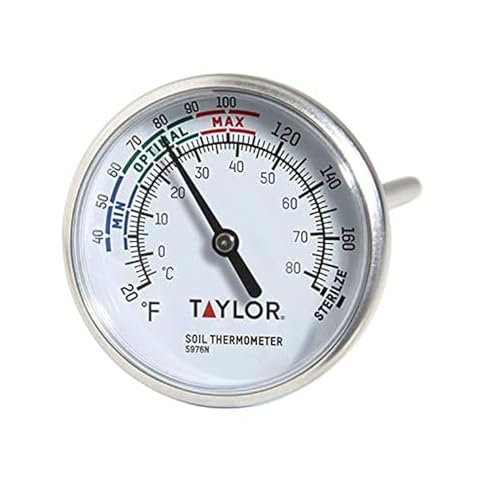
PRECISE SOIL TEMPERATURE READINGS: Measures soil temperatures from 20 degrees F to 180 degrees F (0 degrees C to 80 degrees C) with a large, easy-to-read analog dial face - no batteries or digital screens needed for reliable results every time

Easy-to-read green, yellow, and red tick marks for easy monitoring
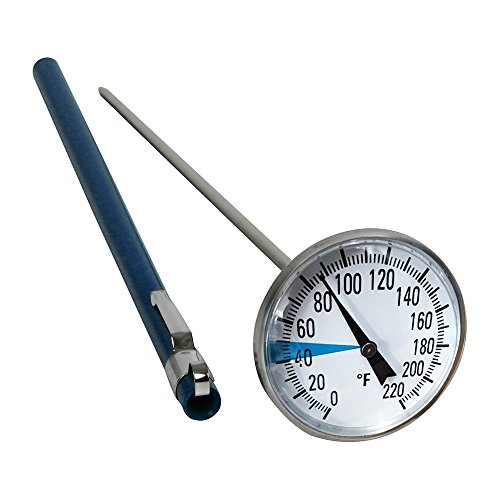
PRACTICAL SOLUTION - While other Soil Thermometers can’t tell the correct temperature, fogs up, and get broken easily, our soil thermometer has high precision performance, high-visibility, and is designed to last
Weather Patterns
Weather patterns play a crucial role in determining when to plant romaine lettuce. Look for consistent mild weather to ensure successful germination and growth. Avoid planting during unexpected cold spells or heat waves. Monitoring local forecasts gives insight into when to start.
For instance, if your area experiences late frosts in spring, consider waiting until late April for planting. Similarly, be mindful of high temperatures in summer, which can cause bolting. Planting in early spring or early fall typically aligns with ideal weather conditions.
Soil Temperature
Soil temperature significantly impacts seed germination and plant development. Aim for a soil temperature of at least 50°F for optimal germination. Use a soil thermometer to measure this accurately.
If soil temperatures remain low, seeds may take longer to sprout or fail to germinate. Consider using mulch to retain groundwater and warm the soil in spring.
For example, if you’re planting in late March, ensure the soil has warmed adequately to support healthy growth. Conversely, check soil temperature during fall planting to avoid frost damage and ensure the soil remains conducive for growth throughout the cooler months.
Local Variations in Planting Times
Planting times for romaine lettuce vary by location. Understanding local conditions helps you determine the best time for planting.
USDA Hardiness Zones
USDA Hardiness Zones classify regions based on climate and temperature data. Most lettuce varieties thrive between Zones 3 to 10.
- Zone 3: Start seeds indoors by late winter. Transplant outdoors after the last frost in spring.
- Zone 4: Direct sow in early spring, around late March. Use row covers to protect young plants from late frosts.
- Zone 5: Aim to plant from mid-March to early May. This zone allows for one late summer planting as well.
- Zone 6: Plant in early spring and again in late summer for a fall harvest.
- Zone 7: Start planting in early spring and continue every few weeks for a continuous supply.
- Zone 8 and higher: Plant in early spring or late summer. These warmer zones may even support fall planting with minimal frost risk.
Regional Climate Differences
Climate impacts your gardening schedule. Different regions experience unique weather patterns that affect planting times.
- Northern Regions: Shorter growing seasons mean earlier indoor seeding. Expect to transplant seedlings as soon as soil temperatures hit 50°F.
- Midwestern Areas: Spring offers a narrow window. Monitor local weather patterns closely to dodge frosts.
- Southern Regions: Longer growing seasons allow for multiple plantings. Consider planting in early spring and again in late summer.
- Coastal Areas: Mild winters and cool summers can support year-round planting. Adjust sowing frequency based on local temperature spikes.
Understanding these variations helps you plant romaine lettuce at the ideal time, ensuring robust growth and productivity.
Conclusion
Timing is everything when it comes to planting romaine lettuce. By paying attention to the right season and local climate conditions, you can set yourself up for a bountiful harvest. Whether you’re planting in spring or fall, remember to keep an eye on soil temperatures and be ready to adapt to any unexpected weather changes.
With a little planning and care, you’ll be enjoying fresh, crisp romaine from your garden in no time. Happy gardening!
Frequently Asked Questions
When is the best time to plant romaine lettuce?
The best time to plant romaine lettuce is during the spring, typically from late March to mid-April. This timing ensures that soil temperatures reach at least 50°F, which is essential for optimal germination.
How long does it take for romaine lettuce to grow?
Romaine lettuce has a growth cycle that spans 70 to 90 days. This cycle includes four main stages: germination, seedling stage, vegetative growth, and maturity.
Can I plant romaine lettuce in the fall?
Yes, fall planting is a viable option for romaine lettuce. The recommended timeframe is mid-August to early September, allowing for a late-season harvest while protecting young plants from frost.
What temperature is ideal for growing romaine lettuce?
Romaine lettuce grows best in temperatures between 60°F and 70°F. It’s important to monitor local conditions and avoid planting during extreme cold or heat.
How can I determine the right planting time for my area?
Understanding local conditions is crucial for determining the best planting schedule. Using the USDA Hardiness Zones can help you identify suitable planting times based on your region’s climate.
What tools can help with soil temperature measurement?
A soil thermometer is an invaluable tool for checking soil temperature. Aim for a minimum of 50°F to ensure optimal germination conditions for your romaine lettuce.
