

Have you ever wondered when the best time is to cut romaine lettuce? You’re not alone. Many home cooks face the challenge of knowing when to harvest this crisp green to get the freshest flavor and texture. Whether you’re growing it in your garden or picking it up from the store, timing can make all the difference.
Key Takeaways
- Optimal Harvest Time: Romaine lettuce should be cut when leaves are 6 to 8 inches long, vibrant green, and firm to ensure the best flavor and texture.
- Growing Conditions: Ideal growing temperatures range between 60°F to 70°F, and consistent moisture is critical for healthy growth.
- Signs of Readiness: Watch for leaf maturity, firm texture, and avoid harvesting during hot days to prevent bitterness from bolting.
- Cutting Techniques: Use a sharp knife or garden shears for clean cuts; handle leaves gently to minimize bruising.
- Post-Harvest Care: Refrigerate romaine immediately after harvest and store in perforated bags in the crisper drawer to maintain freshness.
- Preparation Tips: Rinse and dry lettuce properly, remove the core before serving, and consume promptly for optimal taste and texture.
Understanding Romaine Lettuce Growth
Romaine lettuce thrives under specific conditions that impact its flavor and texture. Understanding these factors is essential for achieving the best results.
Ideal Growing Conditions
Romaine lettuce prefers cool weather, ideally between 60°F and 70°F. A well-draining soil rich in organic matter enhances growth. Ensure the soil pH stays between 6.0 and 7.0 for optimal nutrient uptake.
Watering plays a crucial role. Keep the soil consistently moist but not soggy. Consider a drip irrigation system for even moisture distribution. Provide partial shade during extremely hot days to protect the lettuce from bolting.
Life Cycle of Romaine Lettuce
Romaine lettuce exhibits a rapid life cycle, typically taking 70 to 85 days from seed to harvest. Start by sowing seeds directly into the garden or in seed trays indoors. Germination occurs within 7 to 14 days under ideal temperatures.
Between 21 and 30 days after planting, you can thin seedlings to encourage robust growth. As the lettuce matures, watch for signs of readiness. When the heads become firm, it’s time to cut. Remember, harvesting at the right stage ensures the best flavor and texture.
Signs That It’s Time to Cut Romaine Lettuce
Recognizing the right moment to cut romaine lettuce ensures you enjoy the best flavor and texture. Look for these indicators to determine when it’s time to harvest.
Recommended Products

K115 Crop Harvest Knife, 7.25-Inch Blade, is designed for trimming lettuce, greens, and soft-stemmed vegetables.

Complete Lettuce Garden Starter Kit Indoor – 5 heirloom salad and green seed packets, 8 biodegradable soil disks, 8 plant markers, and 8 starter pots. Romaine, Spinach, Arugula, Kale and Buttercrunch lettuce heirloom seeds are the star of the set!

Equipped with a stainless steel V-blade that cuts cabbage lettuce cucumbers and more into thin uniform shreds with minimal effort.
Leaf Maturity Indicators
- Size: Leaves should reach at least 6 to 8 inches in length. This size indicates they’re mature enough for harvesting.
- Color: Look for vibrant green leaves. Deep color often signals optimal health and flavor.
- Firmness: Gently squeeze the leaves. If they feel crisp rather than wilted, it’s a sign they’re ready to be cut.
- Growth Rate: Monitor growth regularly. If the plant has stopped growing or shows signs of yellowing, it’s a cue to harvest before the leaves decline in quality.
- Cool Weather: Harvest during cooler days or early morning. This practice maintains freshness and flavor.
- Bolting Signs: Watch for tall flower stalks starting to emerge. If bolting occurs, the leaves may turn bitter, indicating it’s time to cut them before the quality diminishes.
- End of Season: As temperatures increase, especially above 70°F, plan to cut romaine before it bolts or loses its taste. Keep an eye on seasonal changes to harvest at the right time.
By paying attention to these signs, you can enjoy your romaine lettuce at its best.
Cutting Techniques for Romaine Lettuce
Cutting romaine lettuce correctly enhances its flavor and prolongs its freshness. Follow these practices for optimal results.
Best Practices for Harvesting
- Choose the Right Time: Harvest romaine lettuce in the early morning or late afternoon. Cooler temperatures help maintain crispness.
- Inspect Leaves: Check for mature leaves. Look for leaves that are 6 to 8 inches long, vibrant green, and firm.
- Avoid Damage: Handle lettuce gently, minimizing bruising. Cut leaves one at a time or harvest the entire head if it’s mature.
- Sharp Knife: Use a sharp chef’s knife for clean cuts. Dull knives crush the leaves and affect taste.
- Garden Shears: If you prefer, use garden shears. They provide precision and reduce damage to the plant.
- Cutting Board: Place the lettuce on a clean cutting board. This creates a stable surface and helps keep your workspace organized.
- Salad Spinner: Use a salad spinner post-harvest to wash and dry the lettuce quickly. It enhances storage life by reducing moisture.
Post-Harvest Care
Post-harvest care is crucial for maintaining the freshness and quality of your romaine lettuce. With the right techniques, you can ensure your lettuce stays crisp and flavorful.
Recommended Products

Extends Produce Shelf-Life: Prolong the freshness of fruits and vegetables, reducing wasted food.
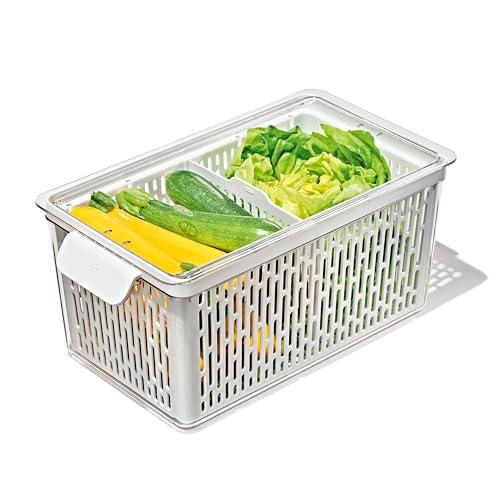
Fridge-friendly storage keeps produce fresh longer

Keep Produce Fresh Longer: Produce containers for fridge with lids helps prevent spoilage, keep fruits and vegetables crisp and stay longer.
Storage Tips
- Refrigerate lettuce immediately after harvesting. It thrives at temperatures between 32°F and 36°F.
- Store romaine in perforated plastic bags to allow airflow while maintaining moisture.
- Keep away from ethylene-producing fruits like apples and bananas, which can accelerate spoilage.
- Place lettuce in the crisper drawer to provide optimal humidity levels and avoid excess moisture that can lead to decay.
- Check your lettuce regularly and remove any damaged leaves to prolong shelf life.
- Rinse your romaine under cool running water. This removes dirt and any potential pesticides.
- Shake off excess water or use a salad spinner for drying. Moisture can lead to sogginess.
- Remove the core of the lettuce by cutting about 1-2 inches above the base. This helps separate leaves for easier handling.
- Tear or cut lettuce leaves into desired sizes for salads or dishes. Avoid chopping, as this can bruise the leaves.
- Serve immediately for the best texture and flavor. If serving later, chill the prepared lettuce in the refrigerator to maintain freshness.
Conclusion
Cutting romaine lettuce at the right time can make all the difference in flavor and texture. By paying attention to the signs of maturity and harvesting during cooler parts of the day, you’ll ensure your lettuce is fresh and delicious. Remember to handle it gently and use sharp tools for clean cuts to keep your greens looking their best.
With just a bit of care in post-harvest storage and preparation, you can enjoy your romaine lettuce for days. Whether you’re growing it yourself or picking it up from the store, following these tips will help you savor every crunchy bite. Happy harvesting and enjoy your salads!
Frequently Asked Questions
When is the best time to harvest romaine lettuce?
The ideal time to harvest romaine lettuce is when the leaves reach at least 6 to 8 inches long and display vibrant green color. Early mornings or cooler days are preferable to preserve freshness and flavor, while being vigilant for signs of bolting to avoid bitterness.
What are the ideal growing conditions for romaine lettuce?
Romaine lettuce thrives in cool temperatures between 60°F and 70°F. It requires well-draining, nutrient-rich soil with a pH level between 6.0 and 7.0. Regular watering is essential, ensuring consistent moisture and partial shade during hotter days.
How long does it take for romaine lettuce to grow from seed to harvest?
Romaine lettuce typically takes about 70 to 85 days from seed to harvest. Understanding this growth cycle helps you plan your planting and harvesting for optimal flavor and quality.
What techniques can improve the flavor of romaine lettuce when cutting?
To enhance flavor and prolong freshness, use a sharp chef’s knife or garden shears for clean cuts. Harvest gently during cooler times of the day and handle leaves carefully to avoid bruising. A clean cutting board also helps with organization.
How should I store romaine lettuce after harvesting?
Immediately refrigerate harvested romaine lettuce in perforated plastic bags to allow airflow. Store it at a temperature between 32°F and 36°F in the crisper drawer, away from ethylene-producing fruits, and check regularly for damaged leaves.
How do you wash and prepare romaine lettuce?
Rinse romaine lettuce under cool running water to remove dirt and pesticides, then dry it thoroughly using a salad spinner. Remove the core for easier handling, and tear or cut the leaves into desired sizes without chopping to prevent bruising.
Why is moisture control important for romaine lettuce?
Moisture control is critical to maintain the freshness of romaine lettuce. Excess moisture can lead to sogginess and spoilage, while drying the leaves thoroughly after washing can extend their shelf life and improve overall texture.
