

Have you ever stared at your leafy greens and wondered when the right time to harvest is? You’re not alone. Many gardeners face the same question, eager to enjoy the fruits of their labor but unsure of the perfect moment to pick their leaf lettuce.
Key Takeaways
- Timing is Crucial: Harvest leaf lettuce between 30 and 60 days after planting, based on the specific variety.
- Signs of Readiness: Look for leaves to be 6 to 8 inches long, crisp to the touch, and vibrant green in color for optimal flavor.
- Harvesting Techniques: Use cutting, pulling individual leaves, or removing the entire plant, depending on your needs.
- Morning Harvesting: Aim to harvest in the morning for the freshest and most flavorful leaves.
- Post-Harvest Care: Rinse, dry, and store lettuce properly in the refrigerator to maintain freshness and quality.
- Avoid Late Harvest Risks: Late harvesting can lead to bitterness, wilting, pest issues, and reduced nutritional value.
Understanding Leaf Lettuce Growth
Understanding the growth stages of leaf lettuce helps you know when to harvest. Each stage contributes to the plant’s development and affects the timing of your harvest.
Recommended Products

Trusted Since 2015: Become one of the many plant lovers who rely on the proven accuracy of XLUX. Established in 2015, our soil moisture meter has earned over 60,000+ verified ratings for its consistent performance. While many many newer brands come and go, we provide the long-term reliability and quality that American households have trusted for over a decade.
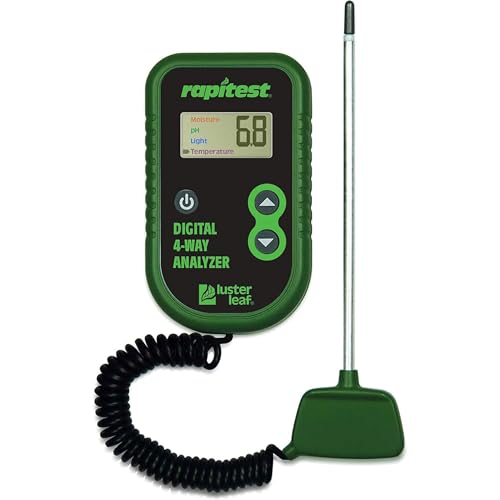
Test for Soil pH, Moisture, Light and Temperature

Easy to read digital output
Germination Stage
Germination begins when you plant your lettuce seeds. Within 7 to 14 days, seeds sprout, sending tiny green shoots above the soil. Ensure the soil temperature stays between 60°F and 70°F for optimal germination. Keep the soil moist but not waterlogged. This stage is crucial, as strong, healthy seedlings set the foundation for future growth.
Growing Conditions
Lettuce thrives in cool weather, ideally between 60°F and 70°F. When temperatures rise above 75°F, plants may bolt, leading to bitter-tasting leaves. Provide well-draining soil rich in organic matter. Regular watering is important; aim for about 1 to 1.5 inches of water per week. If you notice leaf wilting or discoloration, adjust your watering practices. Utilizing row covers can help shield plants from extreme temperatures and pests.
Determining Harvest Time
Knowing when to harvest leaf lettuce is essential for enjoying the best flavor and texture. Generally, you can begin harvesting between 30 and 60 days after planting, depending on the variety.
Recommended Products
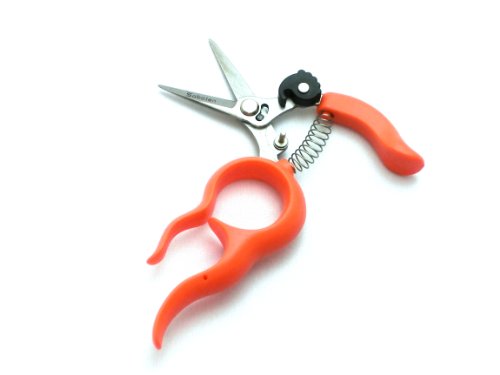
[Caution] Picture shown is 1318S.

Multifunction: The VIBIRIT herb scissors set provides a pair of herb shears, a herb stripper, and a peeler with three different blades. They can help you easily handle a large number of kitchen tasks, such as cutting meat, turkey, and poultry bones. You can not only use it to cut various vegetables, herbs, fruits, cut noodles and even pizza, but also peel potatoes, carrots, zucchini, cucumbers, apples, and avocados. No chopping boards and choppers are needed, bringing more convenience to your kitchen work.

K115 Crop Harvest Knife, 7.25-Inch Blade, is designed for trimming lettuce, greens, and soft-stemmed vegetables.
Indicators of Readiness
Look for these signs to determine when your lettuce is ready to harvest:
- Leaf Size: Harvest when leaves reach about 6 to 8 inches in length.
- Leaf Texture: Feel for crispness; tender leaves signal readiness.
- Color: Vibrant greens indicate healthy growth and peak flavor.
- Flower Buds: If you see flower stalks forming, it’s time to harvest, as plants will soon bolt.
Common Harvesting Methods
Choose one of the following methods for harvesting your leaf lettuce:
- Cutting: Use scissors or a sharp knife to cut leaves 1 to 2 inches above the soil, allowing for regrowth.
- Pulling: Gently pull individual leaves from the outside, starting with older leaves for a continuous supply.
- Whole Plant: For a complete harvest, pull up the entire plant, especially if it’s nearing the end of its growth cycle.
Remember to harvest in the morning when leaves are crisp and full of moisture for the best taste.
Best Practices for Harvesting
Harvesting leaf lettuce requires careful attention to detail. Following best practices ensures fresh and flavorful greens.
Recommended Products

【Multifunctional Kitchen Gadget】: This 5 IN 1 Large Salad Spinner is an efficient kitchen helper that combines washing, dehydration, juicing, cutting vegetables and separating egg yolks. Equipped with 5 replaceable blades, it can easily meet diverse cooking needs. Whether it is making salads or preparing ingredients, it can do it all, saving time and effort, making cooking easier.

Versatile Kitchen Essential - The newly upgraded versatile salad spinner-a kitchen gadget that washes, dries, and cuts meat in one! It includes 5 interchangeable blades for fruits and vegetables which need to slicing, chopping, and dicing. Plus, it comes with a handy dipping cup, clip, and egg separator, meeting the preparation needs for a variety of dishes in your kitchen. Efficient, organized, versatile—all in one.

LARGE PREMIUM STAINLESS STEEL BOWL: The salad spinner features a large, practical 5.3 quart 304 stainless steel bowl, ensures durability and a sleek appearance.
Tools You’ll Need
- Sharp Knife or Scissors: Use these for clean cuts, minimizing damage to the plant.
- Basket or Container: Keeps harvested leaves intact and prevents bruising.
- Garden Gloves: Protects your hands and ensures hygiene.
- Measuring Tools: Use a ruler to check leaf length (6 to 8 inches) for optimal harvest time.
Post-Harvest Care
Post-harvest care maintains lettuce quality.
- Rinse Leaves: Wash your harvested leaves gently under cool water to remove dirt.
- Dry Thoroughly: Use a salad spinner or clean cloth to eliminate excess moisture.
- Store Properly: Place leaves in a breathable container lined with a paper towel. Refrigerate them to keep fresh.
- Check Regularly: Inspect stored lettuce for any signs of spoilage, ensuring you consume them at peak freshness.
These practices enhance your overall harvest experience.
Risks of Late Harvesting
Harvesting leaf lettuce too late presents several risks that can affect both the quality and safety of your greens. Understanding these risks ensures you enjoy the best possible harvest.
1. Bitter Taste
Late-harvested lettuce often becomes bitter. This taste results from the plant’s hormonal changes as it prepares to bolt. When you plan to harvest, aim for leaf sizes between 6 to 8 inches for optimal flavor.
2. Wilting Leaves
Leaves wilting or becoming floppy signals that lettuce is past its prime. Healthy leaves maintain a crisp texture. Harvesting at the right time keeps the leaves firm and appealing.
3. Flowering and Seed Production
Leaving lettuce in the ground too long encourages flowering. Once flower buds appear, the plant shifts energy from leaf production to seed development. This transition not only affects taste but also diminishes yield.
4. Pest Attraction
Overripe lettuce may attract pests. Fluctuations in taste and texture can invite insects or rodents looking for easy meals. Regular checks on your crop prevent pest problems before they arise.
5. Health Risks
Fungal infections can occur more frequently on overripe plants. If lettuce sits too long, it becomes vulnerable to diseases that could compromise its safety for consumption. Monitor humidity levels and remove any damaged leaves promptly.
6. Reduced Nutritional Value
Nutritional content declines as lettuce ages. While fresh leaves provide vitamins and minerals, older leaves lose these benefits. Harvesting early ensures you get the nutrients your body requires.
Conclusion
Harvesting leaf lettuce at the right time can make all the difference in flavor and texture. By paying attention to the signs of readiness and choosing the best practices for harvesting, you’ll ensure your greens are fresh and delicious. Remember to check your plants regularly and enjoy the fruits of your labor while they’re at their peak. With a little care and timing, you’ll be rewarded with a bountiful and tasty harvest that enhances any meal. Happy gardening!
Frequently Asked Questions
When should I harvest leaf lettuce?
Harvest leaf lettuce typically occurs between 30 to 60 days after planting, depending on the variety. Look for leaves that are 6 to 8 inches long and vibrant in color. Signs of readiness include crisp texture and the appearance of flower buds.
What are the best conditions for growing leaf lettuce?
Leaf lettuce thrives in cooler temperatures, ideally between 60°F to 70°F. It requires well-draining, organic-rich soil and regular watering to keep the soil moist. Growth can be stunted if the temperature rises above 75°F.
How can I tell if my lettuce is overripe?
Signs of overripe lettuce include wilting leaves, a lack of crispness, and the presence of flowering buds. Overripe lettuce will taste bitter and may attract pests, while also being more prone to diseases.
What tools do I need for harvesting lettuce?
To harvest lettuce, a sharp knife or scissors for clean cuts is essential. Additionally, use a basket or container to avoid bruising, garden gloves for hygiene, and measuring tools to ensure leaves are harvested at the right length.
How should I store harvested lettuce?
After harvesting, rinse the leaves gently and dry them thoroughly. Store them in a breathable container lined with a paper towel to absorb excess moisture. Check regularly for spoilage to maintain freshness.
Why is it important to harvest lettuce early?
Early harvesting is crucial for optimal flavor and nutritional value. Leaving lettuce too long can lead to bitterness and poor quality as the plant prepares to bolt, diminishing yield and taste while also increasing pest attraction.
