

Are you eager to grow your own romaine lettuce but unsure when to plant it? You’re not alone. Many gardeners face the same challenge, wanting to enjoy fresh, crisp lettuce without the guesswork. Timing is key to a successful harvest, and knowing the right season can make all the difference.
Key Takeaways
- Optimal Planting Seasons: Plant romaine lettuce in the spring (March to May) and fall (August to early September) to ensure healthy growth and a successful harvest.
- Temperature Requirements: Romaine thrives in cooler temperatures, ideally between 60°F and 65°F, and can be negatively affected by temperatures above 75°F, which can cause bolting.
- Soil Preparation: Use loamy, well-drained soil with a pH between 6.0 and 7.0, and enhance fertility with balanced fertilizers to promote optimal growth.
- Planting Techniques: Employ either direct sowing or transplanting seedlings, ensuring proper spacing and consistent watering for robust lettuce development.
- Frost Dates Awareness: Be mindful of local frost dates to time your planting accurately, starting seeds indoors 4-6 weeks prior to the last frost in spring and 6-8 weeks before the first frost in fall.
Understanding Romaine Lettuce
Romaine lettuce, known for its crisp texture and nutty flavor, is a popular choice in salads and sandwiches. Understanding its characteristics and benefits can enhance your gardening experience and diet.
Characteristics of Romaine Lettuce
Romaine lettuce features long, sturdy leaves that form upright heads. The leaves have a ribbed texture, making them ideal for holding dressings. Romaine grows best in cooler temperatures, thriving between 60°F and 65°F. When mature, a head typically weighs between 1 to 2 pounds. You can grow romaine in various soil types, but loamy, well-drained soil promotes healthy growth.
Nutritional Benefits
Romaine lettuce is nutrient-dense, offering significant health benefits. One cup of shredded romaine contains about 15 calories, 1 gram of protein, and 3 grams of carbohydrates. It’s an excellent source of vitamin A, providing over 100% of the daily value, which supports eye health. Additionally, romaine is rich in folate, essential for cell function, and vitamin K, important for bone health. Including romaine in meals boosts hydration due to its high water content, which is about 95%.
Growing romaine not only adds variety to your garden but also contributes positively to your diet.
Ideal Planting Seasons
Planting romaine lettuce at the right time maximizes growth. Spring and fall are the ideal seasons for planting, ensuring a bountiful harvest.
Spring Planting
Spring planting occurs between March and May, depending on your local climate. Aim for when soil temperatures reach around 60°F. You can start seeds indoors 4 to 6 weeks before the last frost date. This method gives you a head start, allowing for a quicker transition to outdoor soil. Directly sow seeds outdoors when temperatures settle, and nighttime lows remain above 50°F. Space seeds about 12 inches apart for optimal growth.
Fall Planting
Fall planting occurs from August to early September in most regions. This timing allows for a thriving crop before the first frost. Sow seeds directly into prepared soil when temperatures cool, ideally between 60°F and 70°F. Be mindful of your local frost dates; select varieties that mature quickly, usually within 70 days. Protect young plants with row covers if frost threatens. This strategy extends your harvest season, providing fresh greens well into fall.
Climate Considerations
Understanding climate factors is essential when planting romaine lettuce. Temperature and frost dates significantly impact your planting success.
Recommended Products
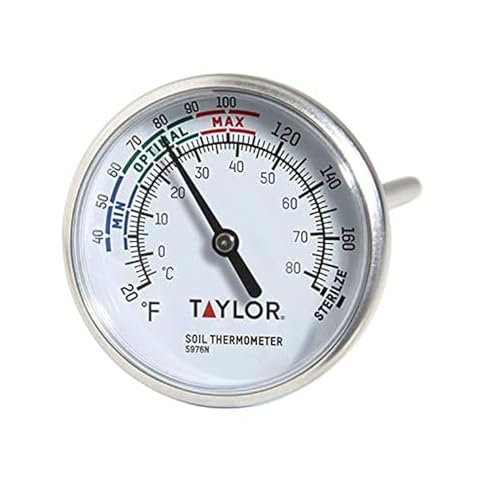
PRECISE SOIL TEMPERATURE READINGS: Measures soil temperatures from 20 degrees F to 180 degrees F (0 degrees C to 80 degrees C) with a large, easy-to-read analog dial face - no batteries or digital screens needed for reliable results every time

Easy-to-read green, yellow, and red tick marks for easy monitoring
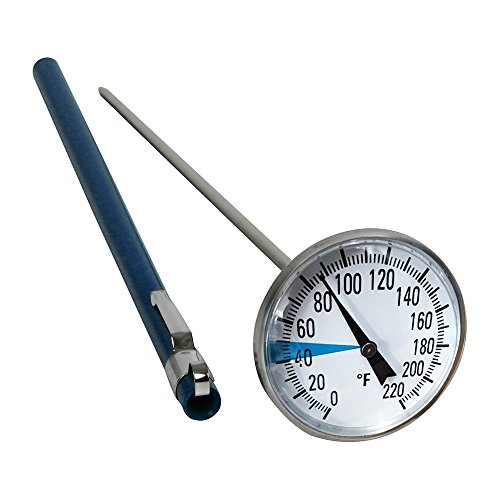
PRACTICAL SOLUTION - While other Soil Thermometers can’t tell the correct temperature, fogs up, and get broken easily, our soil thermometer has high precision performance, high-visibility, and is designed to last
Temperature Requirements
Romaine lettuce thrives in cooler temperatures, ideally between 60°F and 65°F. Seeds germinate well at around 40°F. Temperatures above 75°F can cause bolting, where the plant flowers instead of growing heads. Aim to plant seeds when soils reach that sweet spot of around 60°F. You can check soil thermometers or feel the soil with your hand for a rough estimate.
Frost Dates
Frost dates are crucial for timing your planting. Typically, the last frost date in spring varies depending on your location. Count backward from this date to plan your sowing. For spring planting, start seeds indoors 4 to 6 weeks before the last anticipated frost. This preparation allows you to set out robust seedlings after the frost threat passes. For fall planting, monitor the first frost date. Ideally, sow seeds 6 to 8 weeks before this date to ensure healthy growth. Using row covers can help protect your crops during unexpected cold snaps.
Soil Preparation
Preparing the soil properly sets the foundation for healthy romaine lettuce growth. Focus on two key aspects: soil type and fertilization techniques.
Recommended Products

Lowers Soil pH: True Organic Soil Acidifier effectively lowers the pH of your soil, creating the perfect environment for acid-loving plants to thrive.

Made for Acid-Loving Plants – Formulated to support blueberries, hydrangeas, and other acid-loving plants.

Made for Acid-Loving Plants – Formulated to support plants that thrive in lower pH soil.
Soil Type
Romaine lettuce thrives in loamy, well-drained soil. Aim for a soil pH between 6.0 and 7.0. This range supports nutrient availability. To assess your soil type, take a handful of damp soil and squeeze it. If it holds together but crumbles easily, it’s well-drained loam. If it’s too sandy or clay-heavy, consider amending it.
You can improve sandy soil by incorporating organic matter, like compost. For clay soil, mix in sand or peat to enhance drainage. Aim for a consistent texture throughout the planting area.
Fertilization Techniques
Fertilizing enhances soil fertility, promoting strong romaine growth. Start by test your soil to identify nutrient needs. A balanced fertilizer, such as 10-10-10 (N-P-K), works well. Apply 2 to 3 pounds of fertilizer per 100 square feet before planting.
Consider side-dressing several weeks after sowing. Use 1 pound of fertilizer per 10 feet of row. Water the soil thoroughly after application. This process helps the nutrients penetrate deeply.
Online resources and local gardening centers offer additional guidance on specific fertilizers suited for your region.
Planting Techniques
Growing romaine lettuce involves two main planting techniques: direct sowing and transplanting seedlings. These methods allow flexibility based on your gardening style and preparation.
Recommended Products

【All-in-One Hydroponic Garden Kit】This Romaine seed pod kit has everything to kickstart your hydroponic gardening journey: A packet of Romaine Lettuce seeds, 12 grow sponges, 12 plant baskets, 12 grow domes, 12 pod labels and 1 Tweezers.(Contains no plant foods)

High Germination Rate: Enjoy a plentiful harvest with our Romaine Lettuce seed pod featuring excellent germination. Fresh, reliable seeds sourced from USA ensure quick sprouting and healthy growth.

Complete Lettuce Garden Starter Kit Indoor – 5 heirloom salad and green seed packets, 8 biodegradable soil disks, 8 plant markers, and 8 starter pots. Romaine, Spinach, Arugula, Kale and Buttercrunch lettuce heirloom seeds are the star of the set!
Direct Sowing
Direct sowing involves planting seeds directly into the garden soil. This method works well when conditions are right.
- Choose the Right Date: Plant seeds in spring or fall when temperatures are suitable, ideally between 60°F and 65°F.
- Prepare the Soil: Clear debris and loosen the soil to enhance drainage. Aim for loamy soil rich in organic matter.
- Sow Seeds: Plant seeds ½ inch deep and 2 to 4 inches apart in rows. Space rows 12 to 18 inches apart to allow room for growth.
- Water Consistently: Keep the soil moist but avoid waterlogging. Water daily during dry spells to ensure sturdy growth.
- Thin Seedlings: Once seedlings reach 2 to 3 inches tall, thin them to 8 to 12 inches apart. This spacing improves air circulation and reduces competition for nutrients.
Transplanting Seedlings
Transplanting seedlings is another effective method, especially for early planting. It allows you to start seeds indoors and give them a head start.
- Start Indoors: Begin by planting seeds in seed trays or small pots 4 to 6 weeks before the last expected frost date. Use seed-starting mix for the best results.
- Provide Light: Place seedlings under grow lights or in a sunny window for 12 to 16 hours each day. Ensure they get enough light to grow strong.
- Harden Off Seedlings: About a week before transplanting outdoors, acclimate seedlings to outdoor conditions. Start by placing them outside for a few hours each day, gradually increasing exposure to sunlight and wind.
- Transplant Carefully: Choose a cloudy day or late afternoon for transplanting to prevent stress. Plant seedlings deep enough to cover the root ball, spacing them 8 to 12 inches apart.
- Water Thoroughly: After transplanting, water the seedlings thoroughly to eliminate air pockets and help them settle into the soil.
These techniques suit different gardening approaches and climate conditions. Use what works best for your situation to enjoy a bountiful romaine lettuce harvest.
Conclusion
Growing your own romaine lettuce can be a rewarding experience that adds freshness to your meals. By planting at the right times in spring or fall and paying attention to soil conditions, you’ll set yourself up for a successful harvest. Remember to monitor temperatures and frost dates to protect your plants from any surprises. With a little care and attention, you’ll enjoy crisp, nutritious romaine right from your garden. Happy gardening!
Frequently Asked Questions
When is the best time to plant romaine lettuce?
The best times to plant romaine lettuce are in spring and fall. Spring planting occurs from March to May when soil temperatures reach around 60°F. For fall, plant from August to early September to ensure growth before the first frost.
What kind of soil is best for romaine lettuce?
Romaine lettuce thrives in loamy, well-drained soil with a pH between 6.0 and 7.0. This type of soil allows for optimal nutrient availability and overall health for the plants.
How do I prepare my soil for planting romaine lettuce?
To prepare your soil, incorporate organic matter to enhance drainage and nutrient content. Test your soil for nutrients and apply a balanced fertilizer before planting. It’s beneficial to amend sandy or clay soils for optimal growth.
What are the optimal temperatures for growing romaine lettuce?
Romaine lettuce grows best in cooler temperatures between 60°F and 65°F. Seeds germinate well at around 40°F, but temperatures above 75°F can lead to bolting, which affects head formation.
What planting techniques can I use for romaine lettuce?
You can either directly sow seeds into the garden or transplant seedlings started indoors. Direct sowing is done during optimal temperatures, while transplanting allows for an earlier harvest. Both methods offer flexibility for different gardening styles.
How can I protect young romaine plants from frost?
To protect young romaine plants from frost, consider using row covers. These lightweight covers provide insulation and shield the plants during unexpected cold snaps, ensuring healthy growth.
