Close Menu
    Veggie Knowledge
    • Home
    • Growing Vegetables
      • Beets
      • Broccoli
      • Carrots
      • Cucumber
      • Green Beans
    • Tips and Advice
    • Free eBook
    • About
      • Contact
      • Privacy Policy
    Veggie Knowledge
    Home»Lettuce»When Can I Plant Romaine Lettuce: Best Times and Tips for a Successful Harvest
    Lettuce

    When Can I Plant Romaine Lettuce: Best Times and Tips for a Successful Harvest

    Lucy StoneBy Lucy StoneDecember 14, 20247 Mins Read
    Facebook Twitter Pinterest LinkedIn Tumblr WhatsApp VKontakte Email
    Share
    Facebook Twitter LinkedIn Pinterest Email

    Are you itching to grow your own crisp romaine lettuce but unsure when to plant it? You’re not alone! Many gardeners face this question each season. Timing is everything when it comes to growing this delicious leafy green.

    Contents show
    1 Key Takeaways
    2 Understanding Romaine Lettuce
    2.1 Nutritional Benefits
    2.2 Popular Varieties
    3 Best Planting Times
    3.1 Spring Planting
    3.2 Fall Planting
    4 Climate Considerations
    4.1 Optimal Temperature Ranges
    4.2 Impact of Frost
    5 Soil Requirements
    5.1 Ideal Soil Types
    6 Conclusion
    7 Frequently Asked Questions
    7.1 What is the best time to plant romaine lettuce?
    7.2 What varieties of romaine lettuce are popular?
    7.3 What soil is best for growing romaine lettuce?
    7.4 How can I protect romaine lettuce from frost?
    7.5 What are the ideal temperature ranges for romaine lettuce?

    Key Takeaways

    • Optimal Planting Seasons: Romaine lettuce thrives in cooler weather, making spring (2-4 weeks before the last frost) and fall (6-8 weeks before the first frost) ideal planting times.
    • Variety Selection: Choose suitable varieties based on the season, such as Paris Island Cos for spring and Little Gems for fall, to ensure a successful harvest.
    • Temperature Awareness: Aim for soil temperatures between 45°F and 65°F for germination; ideal growth occurs between 45°F and 75°F to avoid bolting.
    • Soil Conditions: Use well-drained loamy or sandy soil with a pH between 6.0 and 7.0, incorporating organic matter to enhance fertility and drainage.
    • Frost Protection: Monitor frost risks and utilize row covers for fall plantings to shield young plants from early frosts, ensuring a prolonged growing season.
    • Nutritional Benefits: Romaine lettuce is nutrient-rich, offering vitamins A, K, and C, along with high water content, supporting hydration and overall health.

    Understanding Romaine Lettuce

    Romaine lettuce is a crisp, nutritious green that thrives in cooler weather. Timing your planting is essential for a successful harvest.

    Nutritional Benefits

    Romaine lettuce offers significant health benefits. It’s rich in vitamins A, K, and C, providing essential nutrients for skin health and immunity. One cup of romaine contains about:

    • 15 calories
    • 2 grams of fiber
    • 1 gram of protein

    Consuming romaine promotes hydration due to its high water content, which is around 95%. This leafy green also contains antioxidants that help combat inflammation and support heart health.

    Popular Varieties

    Several varieties of romaine lettuce exist, each with unique flavors and growing conditions. Common types include:

    • Paris Island Cos: This variety is known for its large, erect leaves and resistance to bolting.
    • Little Gems: Smaller and sweeter, this variety matures quickly, making it ideal for quick harvests.
    • Butterhead Romaine: This type combines the crispness of romaine with the tenderness of butterhead lettuce.

    Choosing the right variety contributes to a successful gardening experience, especially when considering local climate and soil conditions.

    Best Planting Times

    Timing is crucial for gardening, especially for romaine lettuce. This leafy green thrives in cool weather, making spring and fall the ideal seasons for planting.

    Recommended Products

    Park Seed Easy DIY Planting Sow Effortless Collection Seed Tape, Organic Tricolor Romaine Blend, 15 Feet
    Park Seed Easy DIY Planting Sow Effortless Collection Seed Tape, Organic Tricolor Romaine Blend, 15 Feet

    Days to Maturity: 45

    VIEW LATEST PRICE

    As an affiliate, we earn on qualifying purchases.

    MUST READ:  How to Harvest Salad Lettuce for Maximum Freshness and Flavor in Your Kitchen
    Seed Needs Romaine Lettuce Seeds for Planting Parris Island COS - Non-GMO Heirloom & Untreated Annual Cool Weather Crops - Grow a Home Grown Outdoor Vegetable Garden (1 Pack)
    Seed Needs Romaine Lettuce Seeds for Planting Parris Island COS - Non-GMO Heirloom & Untreated Annual Cool Weather Crops - Grow a Home Grown Outdoor Vegetable Garden (1 Pack)

    Origin and Naming: Parris Island COS lettuce is named after Parris Island, South Carolina, where it was developed. This romaine variety was introduced for its resilience against tipburn and adaptability to different climates.

    VIEW LATEST PRICE

    As an affiliate, we earn on qualifying purchases.

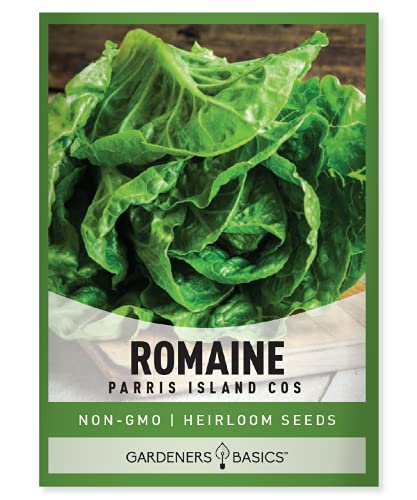
    Gardeners Basics, Romaine Lettuce Seeds for Planting - Parris Island Cos Heirloom, Non-GMO Vegetable Variety- 2 Grams Seeds Great for Spring, Summer, Fall, Winter Garden and Hydroponics
    Gardeners Basics, Romaine Lettuce Seeds for Planting - Parris Island Cos Heirloom, Non-GMO Vegetable Variety- 2 Grams Seeds Great for Spring, Summer, Fall, Winter Garden and Hydroponics

    DELICIOUS TRUSTED VARIETY - Popular summer romaine lettuce seed used by gardeners for years. Romaine lettuce is not only packed with flavor, but it is very nutritional.

    VIEW LATEST PRICE

    As an affiliate, we earn on qualifying purchases.

    Spring Planting

    Spring is the prime time for planting romaine lettuce. Aim to sow seeds outdoors about 2 to 4 weeks before the last expected frost date in your area. For example, if your last frost date is April 15, plant seeds between March 15 and March 31. Soil temperatures should ideally be between 45°F and 65°F for optimal germination.

    • Seed Selection: Choose varieties suited for spring growth. Paris Island Cos is a popular spring choice.
    • Spacing: Space seeds 12 to 18 inches apart for healthy growth and airflow.
    • Watering: Keep the soil consistently moist, but avoid waterlogging.

    Fall Planting

    Fall also offers a great opportunity to grow romaine lettuce. You can plant seeds 6 to 8 weeks before the first frost date. For areas with a first frost expected in October, sow seeds from mid-August to early September. The cooler temperatures promote a sweet flavor in the leaves.

    • Varieties: Opt for fast-maturing types. Little Gems can be a wise choice for fall planting.
    • Protection: Use row covers to shield young plants from early frost.
    • Maintenance: Monitor moisture levels, as fall can bring erratic rainfall.

    Climate Considerations

    Understanding the climate conditions for planting romaine lettuce helps ensure a successful harvest. Pay attention to temperature ranges and frost risks for optimal growth.

    Recommended Products

    Plant Covers Freeze Protection, 10ft×33ft Reusable Rectangle Frost Protection Floating Row Cover Plant Blanket Garden Winterize Cover for Cold Weather Snow
    Plant Covers Freeze Protection, 10ft×33ft Reusable Rectangle Frost Protection Floating Row Cover Plant Blanket Garden Winterize Cover for Cold Weather Snow

    【Best Winterize Protections for Plants & Trees】 Extra Stable Plant Blanket creates and retains warmth while protecting against frosts (down to 38 degrees F.), harsh weather, birds, animals and insect. Faraer 1.06 oz. fabric thick fabric is ideal for extending the growing season into early spring and late fall, or for insulating strawberries, herbs, perennials, small fruits, and other tender landscape plants all winter long.

    VIEW LATEST PRICE

    As an affiliate, we earn on qualifying purchases.

    Amazon Basics Plant Covers for Frost Protection, 10 x 30 ft, White, 1-Pack
    Amazon Basics Plant Covers for Frost Protection, 10 x 30 ft, White, 1-Pack

    10 x 30-foot frost protection plant cover for defending plants from light frost, light snow, and mild cold conditions

    VIEW LATEST PRICE

    As an affiliate, we earn on qualifying purchases.

    Plant Covers Freeze Protection, 10ft x 30ft 1.0oz/yd² Reusable Floating Row Cover, Frost Cloth for Outdoor Plants, Breathable Frost Blanket for Winter Cold Weather & Pest Protection
    Plant Covers Freeze Protection, 10ft x 30ft 1.0oz/yd² Reusable Floating Row Cover, Frost Cloth for Outdoor Plants, Breathable Frost Blanket for Winter Cold Weather & Pest Protection

    【10ft x 30ft Large Coverage & Cut to Size】Cover up to 300 sq.ft of your garden with this extra-large plant blanket. The 10ft x 30ft rectangular size is perfect for raised beds, large vegetable patches, or fruit trees. Easily cut with scissors to customize for individual shrubs or narrow rows. Its lightweight design ensures it won't crush delicate blossoms while providing a reliable windbreak.

    MUST READ:  How to Harvest Lettuce and Spinach: Effective Techniques for Fresh and Flavorful Greens
    VIEW LATEST PRICE

    As an affiliate, we earn on qualifying purchases.

    Optimal Temperature Ranges

    Romaine lettuce grows best in temperatures between 45°F and 75°F. You can expect good germination at 60°F to 70°F, leading to tender leaves. When daytime temperatures consistently exceed 75°F, lettuce can bolt, producing bitter-tasting leaves.

    To fine-tune your planting schedule, monitor local temperature patterns. If you experience fluctuations, consider using season extension techniques like hoop houses or cold frames. These tools help provide a conducive environment when temperatures drop unexpectedly.

    Impact of Frost

    Frost can be detrimental to romaine lettuce. Light frost, around 28°F to 32°F, can damage young seedlings. This damage may result in wilting or browning of the leaves. To mitigate frost damage, plant romaine at least 2 to 4 weeks before the last expected frost in the spring.

    For fall planting, aim for sowing seeds 6 to 8 weeks before the first frost. In areas with late-season frost, using row covers offers additional protection. These covers create a microclimate that shields your plants and extends the growing season.

    Soil Requirements

    Romaine lettuce flourishes in well-maintained soil that provides essential nutrients and adequate drainage. Understanding soil requirements leads to better growth and healthier plants.

    Recommended Products

    SONKIR Soil pH Meter, MS02 3-in-1 Soil Moisture/Light/pH Tester Gardening Tool Kits for Plant Care, Great for Garden, Lawn, Farm, Indoor & Outdoor Use (Green)
    SONKIR Soil pH Meter, MS02 3-in-1 Soil Moisture/Light/pH Tester Gardening Tool Kits for Plant Care, Great for Garden, Lawn, Farm, Indoor & Outdoor Use (Green)

    Kindly NOTE: This soil tester can not be applied to test pH value of any other liquid. If the soil is too dry the indicator will not move, and water it before testing.

    VIEW LATEST PRICE

    As an affiliate, we earn on qualifying purchases.

    NewTest Soil pH Test Kit: Upgraded 125 Soil pH Test Strips with Measuring Cylinders for Accurate Testing pH Level of Garden Lawn Grass Flower Vegetable Compost Dirt (125)
    NewTest Soil pH Test Kit: Upgraded 125 Soil pH Test Strips with Measuring Cylinders for Accurate Testing pH Level of Garden Lawn Grass Flower Vegetable Compost Dirt (125)

    How to Accurately Test Garden's Soil pH? Many growers do not able to use the correct tools and methods to obtain accurate soil ph values; NewTest soil ph test kit includes upgraded soil ph test strips, measuring cylinders, and instructions for professional testing methods; it allows even beginners to easily and accurately obtain soil ph values

    VIEW LATEST PRICE

    As an affiliate, we earn on qualifying purchases.

    Soil pH Paper Test Kit – 100 Tester Strips (3.5-9 Range) – Use for Testing Garden Home Lawn Grass Vegetable Gardening Dirt Yard Compost Outdoor and Indoor Plants
    Soil pH Paper Test Kit – 100 Tester Strips (3.5-9 Range) – Use for Testing Garden Home Lawn Grass Vegetable Gardening Dirt Yard Compost Outdoor and Indoor Plants

    Accurate Soil pH Testing: Dewildetradingco Soil pH Test Strips offer measurements of soil pH levels (pH 3.5-9). As an essential tool for every gardener and grower, these test strips help determine the optimal pH for various plants, such as outdoor plants, indoor plants, gardens, grass lawns, fruit trees, flowers, vegetables, and forest shrubs.

    MUST READ:  How Often Should You Water Romaine Lettuce for Optimal Growth and Health
    VIEW LATEST PRICE

    As an affiliate, we earn on qualifying purchases.

    Ideal Soil Types

    Choose loamy or sandy soil for optimal romaine lettuce growth. Loamy soil contains a balanced mixture of sand, silt, and clay, promoting good drainage while retaining moisture. Sandy soil allows for excellent drainage and air circulation, preventing root rot. Aim for a soil pH between 6.0 and 7.0. This range encourages nutrient availability.

    1. Test your soil’s pH to ensure it falls within the ideal range. Use a soil testing kit available at garden centers.
    2. Amend heavy clay soils with organic matter to improve drainage. Incorporate compost or aged manure to boost fertility and structure.
    3. Mix in a balanced fertilizer before planting to provide essential nutrients. An NPK ratio of 10-10-10 works well.
    4. Rake the soil to remove debris and break up clumps. A fine seedbed encourages better germination and root establishment.
    5. Maintain consistent moisture as you prepare the soil. Water lightly to ensure it’s moist but not soggy.

    Conclusion

    Getting the timing right for planting romaine lettuce can make all the difference in your gardening success. By focusing on the cooler seasons of spring and fall you’ll not only enjoy a bountiful harvest but also enhance the flavor of your greens.

    Remember to pay attention to soil conditions and temperature ranges to create the ideal environment for your lettuce. With the right care and attention your romaine will thrive and provide you with delicious salads packed with nutrients. Happy gardening and enjoy the fresh taste of homegrown romaine!

    Frequently Asked Questions

    What is the best time to plant romaine lettuce?

    To plant romaine lettuce successfully, aim for spring and fall. For spring, sow seeds 2 to 4 weeks before the last frost. For fall planting, do so 6 to 8 weeks before the first frost. This timing helps ensure the healthy growth of your lettuce.

    What varieties of romaine lettuce are popular?

    Popular varieties of romaine lettuce include Paris Island Cos, Little Gems, and Butterhead Romaine. Choosing the right variety is important, as they may thrive differently based on your local climate and soil conditions.

    What soil is best for growing romaine lettuce?

    Romaine lettuce grows best in loamy or sandy soil with a pH between 6.0 and 7.0. Loamy soil offers good drainage and moisture retention, while sandy soil allows for excellent drainage and air circulation. Testing soil pH is advisable for optimal growth.

    How can I protect romaine lettuce from frost?

    To protect romaine lettuce from frost, plant it 2 to 4 weeks before the last frost in spring and 6 to 8 weeks before the first frost in fall. Use row covers to shield seedlings from early frost for added protection.

    What are the ideal temperature ranges for romaine lettuce?

    Romaine lettuce thrives in temperatures between 45°F and 75°F. Germination occurs best at 60°F to 70°F. Be cautious of temperatures above 75°F, as this can cause bolting and lead to bitter leaves.

    Share. Facebook Twitter Pinterest LinkedIn Tumblr WhatsApp Email
    Previous ArticleIs Lettuce Nutrient Dense and How It Compares to Other Leafy Greens for Your Health
    Next Article How to Keep Packaged Lettuce Fresh and Crisp for Longer Enjoyment
    lucy stone
    Lucy Stone

      Hi, I'm Lucy! As a passionate gardener and writer for Veggie Knowledge, I've dedicated my life to exploring the secrets of successful vegetable growing. My love for gardening blossomed in my grandmother's backyard, where I learned how much joy a single plant can bring. I aim to share that joy through practical tips and insightful advice, helping you cultivate your own thriving garden

      Related Posts

      How to Cut Lettuce Leaves from Garden: Easy Steps for a Fresh and Healthy Harvest

      February 24, 2025

      How to Store Fresh Picked Leaf Lettuce: Tips for Keeping Your Greens Crisp and Delicious

      February 24, 2025

      How Long Can You Keep Romaine Lettuce to Ensure Maximum Freshness and Flavor

      February 23, 2025

      Is Romaine Lettuce Good for Constipation? Discover Its Digestive Benefits and Nutritional Value

      February 23, 2025
      Leave A Reply Cancel Reply

      Affiliate Disclosure

      As an Amazon Associate, I earn from qualifying purchases.

      Recommended Reading

      How Long Do Bell Peppers Take to Grow? Quick Reset Guide

      Growing Vegetables

      How to Grow Spinach in Central Florida: 2026 Regional Guide

      Growing Vegetables

      Stop Weeds From Growing in My Garden: Fast DIY Fixes

      Growing Vegetables

      How to Grow Spaghetti Squash From Seed: Step-by-Step Guide

      Growing Vegetables

      Winter Squashes Per Person: How Many Should You Grow?

      Growing Vegetables

      How to Grow Chesnok Red Garlic: Pro Tips for a Bountiful Harvest

      Growing Vegetables

      Cucumber Planter Depth: How Deep Should Your Container Be?

      Growing Vegetables

      How to Grow Oregano Brujo in NY: Regional Success Secrets

      Growing Vegetables
      How VeggieKnowledge.com Got Started

      We started this website to share our love of vegetables with the world, and to help people discover the many benefits of growing, cooking, and eating fresh and delicious vegetables.

      Got questions or comments? You can reach us at [email protected].

      Featured Articles

      10 Common Gardening Mistakes (and How to Avoid Them)

      How Much Sun Do Vegetables Really Need?

      Beginner’s Guide to Growing Vegetables: What to Know Before You Start

      Watering 101: How to Keep Your Plants Happy and Healthy

      The Best Vegetables for First-Time Gardeners

      Categories
      • Beets
      • Broccoli
      • Carrots
      • Cucumber
      • Green Beans
      • Tips and Advice
      Veggie Knowledge
      • Home
      • About
      • Contact
      • Privacy Policy
      • Affiliate Disclosure
      • Free eBook
      © 2026 Veggie Knowledge

      Type above and press Enter to search. Press Esc to cancel.