

Wondering when you can finally plant lettuce outside? You’re not alone. Many gardeners eagerly await the right moment to get their hands dirty and enjoy fresh greens. The timing can make all the difference between a bountiful harvest and a disappointing crop.
Key Takeaways
- Optimal Planting Temperature: Lettuce thrives in temperatures between 60°F and 65°F, making it crucial to monitor soil conditions before planting.
- Ideal Planting Seasons: The best times to plant lettuce outdoors are early spring (after the last frost) and late summer to early fall for a continued harvest.
- Soil Preparation: Use well-draining, nutrient-rich soil with a pH level between 6.0 and 7.0, and incorporate organic compost to enhance fertility.
- Watering Needs: Maintain consistent moisture by watering weekly, ensuring the soil remains damp without becoming soggy.
- Protective Measures: Utilize row covers to shield young plants from frost and pests, and consider companion planting to enhance growth and deter insects.
- Variety Selection: Choose between leafy and head lettuce types based on your climate and desired harvest timing, as different varieties have unique growing requirements.
Understanding Lettuce Planting
Understanding when to plant lettuce outdoors is crucial for a successful harvest. Lettuce thrives in cool weather. The ideal temperature for planting is between 60°F and 65°F. These conditions promote optimal growth and flavor.
Ideal Planting Times
Spring and fall are the best planting times for lettuce. In most regions, you can plant lettuce outdoors:
- Early Spring: After the last frost date. This timeframe typically ranges from late March to early April, depending on your location.
- Late Summer to Early Fall: Planting between late August and early September provides a second chance for growth before colder weather sets in.
Consult local gardening calendars or resources to pinpoint your specific planting window.
Seed or Seedling?
You can choose between seeds or seedlings for planting. Both options offer benefits:
- Seeds: Plant directly in well-prepared soil. Space seeds about 12 inches apart. Cover them lightly with soil. Water gently to encourage germination.
- Seedlings: Purchase from local nurseries for a head start. Space them about 12 to 18 inches apart in raised beds or containers. This approach can lead to faster maturity and yield.
Soil Preparation
Preparing your soil properly makes a significant difference. Lettuce prefers well-draining, nutrient-rich soil. Consider these steps:
- Test Soil pH: Aim for a level between 6.0 and 7.0. Adjust with lime or sulfur if necessary.
- Amend Soil: Mix in organic compost or well-rotted manure to boost fertility. This process helps retain moisture and provides essential nutrients.
- Till Soil: Break up the soil to a depth of about 12 inches for optimal root development.
Watering Needs
Proper watering ensures healthy growth. Lettuce requires consistent moisture but not soggy conditions. Apply these tips:
- Frequency: Water once a week, more often during dry spells. Aim for about 1 inch of water per week.
- Method: Water the base of the plants directly. Avoid wetting the leaves to reduce disease risk.
Protecting Lettuce
Frost and pests can threaten your lettuce. Implement these protective measures:
- Row Covers: Use lightweight row covers to shield against frost and insects during early growth.
- Companion Planting: Plant alongside crops like carrots or radishes to deter pests.
By following these guidelines, you set the stage for a robust and healthy lettuce crop, ensuring fresh greens for your table.
Best Time to Plant Lettuce
Lettuce thrives in cool weather, making timing crucial for a successful harvest. Here’s what you need to know.
Recommended Products

PRECISE SOIL TEMPERATURE READINGS: Measures soil temperatures from 20 degrees F to 180 degrees F (0 degrees C to 80 degrees C) with a large, easy-to-read analog dial face - no batteries or digital screens needed for reliable results every time

Easy-to-read green, yellow, and red tick marks for easy monitoring
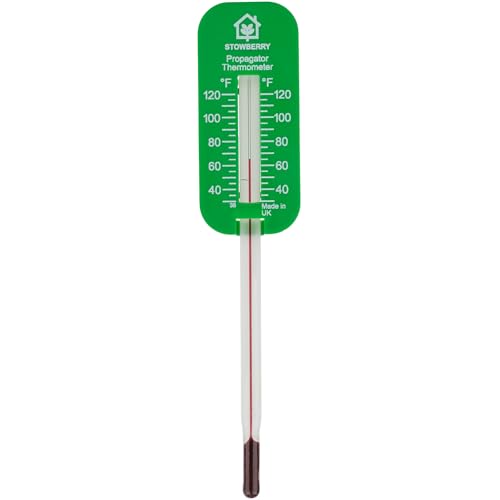
ACCURATE SOIL TEMPERATURE READINGS – Ensure the perfect growing environment for seeds and plants with this greenhouse soil thermometer, designed to give reliable and precise temperature measurements.
Climate Considerations
You should plant lettuce when temperatures are mild. Early spring, after the last frost, is ideal. This way, your lettuce can grow before the heat of summer sets in, which can make it bitter. Late summer to early fall offers a second chance for planting. This allows you to take advantage of cooler weather again before winter arrives. Keep an eye on local frost dates to maximize your growing season.
Soil Temperature Requirements
Lettuce prefers soil temperatures between 60°F and 65°F. To gauge the right time for planting, check your soil temperature with a soil thermometer. If it’s below 60°F, wait a bit longer. If it’s within the ideal range, go ahead and plant. Direct seeding into well-prepared soil or using seedlings can both qualify as good options. Aim for even moisture in the soil to encourage germination and establish strong roots.
Types of Lettuce for Outdoor Planting
Choosing the right type of lettuce can enhance your gardening experience. Different varieties thrive under various conditions, so it’s essential to know what to plant.
Leafy Varieties
Leafy varieties are perfect for quick harvests. These types grow rapidly and offer continuous production throughout the growing season. Some popular leafy varieties include:
- Green Leaf Lettuce: Offers a mild flavor and vibrant green color, thriving in cooler temperatures.
- Red Leaf Lettuce: Features tender, reddish leaves, adding visual appeal to salads.
- Butterhead Lettuce: Known for its soft, buttery leaves, this type prefers moderate temperatures and is great for late spring and early fall planting.
Head Lettuce Types
Head lettuce forms compact heads, making it a favorite among gardeners. This type usually requires a bit more time to mature. Notable head lettuce types include:
- Iceberg Lettuce: Recognized for its crisp texture, this variety prefers cooler conditions and is commonly found in grocery stores.
- Romaine Lettuce: Tall, crisp leaves characterize this type, ideal for Caesar salads. Romaine grows well in both spring and fall.
- Buttercrunch Lettuce: A hybrid of leaf and head varieties, this type offers a sweet flavor and benefits from cooler temperatures.
When selecting lettuce types, consider your climate and desired harvest timing. These varieties can help expand your garden’s diversity and provide fresh greens throughout the season.
Preparation for Planting Lettuce
Preparing for planting lettuce involves several key steps to ensure a successful garden. The right soil and location set the foundation for healthy growth.
Recommended Products

Quick, at home results for Soil pH, Nitrogen, Phosphorous and Potash Innovative and inexpensive soil test kit features an easy-to-use capsule system and patented color comparators

Accurate Soil pH Testing: Dewildetradingco Soil pH Test Strips offer measurements of soil pH levels (pH 3.5-9). As an essential tool for every gardener and grower, these test strips help determine the optimal pH for various plants, such as outdoor plants, indoor plants, gardens, grass lawns, fruit trees, flowers, vegetables, and forest shrubs.

Kindly NOTE: This soil tester can not be applied to test pH value of any other liquid. If the soil is too dry the indicator will not move, and water it before testing.
Soil Preparation Tips
- Test Soil pH: Aim for a pH between 6.0 and 6.8 for optimal growth. Use a soil test kit to determine current levels.
- Amend with Organic Material: Blend compost or well-rotted manure into the soil. This improves nutrient levels and soil structure.
- Ensure Good Drainage: Lettuce prefers well-drained soil. If your soil retains water, consider raised beds or amend with sand.
- Weed Before Planting: Remove any weeds in the planting area. Weeds compete for nutrients and water, hindering lettuce growth.
- Till the Soil: Loosen the top 12 inches of soil with a garden fork or tiller. Tilling aerates the soil, making it easier for roots to grow.
- Select Partial Sunlight: Lettuce thrives in 4-6 hours of sunlight daily. Choose a spot that receives morning sun and afternoon shade, especially in warmer climates.
- Assess Wind Protection: Locate your garden in a sheltered area. This minimizes wind damage, which can stress young plants.
- Rotate Crops: Avoid planting lettuce in the same spot where you grew other crops from the same family, like spinach or chard. This helps prevent soil-borne diseases.
- Consider Accessibility: Position your garden where you can easily reach it for regular maintenance, watering, and harvesting.
Following these preparation steps guarantees the right environment for your lettuce, encouraging bountiful growth and a delicious harvest.
Conclusion
Timing your lettuce planting can make all the difference in your garden. By understanding your local climate and keeping an eye on soil temperatures you can set yourself up for a successful harvest. Remember to choose the right lettuce varieties that fit your taste and growing conditions.
With proper soil preparation and care you’re well on your way to enjoying fresh greens throughout the season. So grab your seeds or seedlings and get ready to dig in. Happy gardening and enjoy those delicious salads you’ll be creating soon!
Frequently Asked Questions
When is the best time to plant lettuce outdoors?
Lettuce should be planted outdoors in early spring after the last frost and in late summer to early fall. These times allow for optimal cool weather growth, which is crucial for a successful harvest.
What temperature is ideal for growing lettuce?
Lettuce thrives in cool temperatures, with the ideal range between 60°F and 65°F. Monitoring soil temperature is important to ensure a healthy planting environment.
Can I plant lettuce seeds directly in the soil?
Yes, you can plant lettuce seeds directly in well-prepared soil or use seedlings for a quicker harvest. Both methods can lead to a successful lettuce crop if proper conditions are met.
How should I prepare the soil for planting lettuce?
To prepare soil for lettuce, test the pH (aim for 6.0 to 6.8), amend with organic materials like compost, ensure good drainage, and till to aerate. This preparation supports healthy growth.
What types of lettuce can I grow outdoors?
You can grow various lettuce types, including leafy varieties like Green Leaf and Red Leaf for quick harvesting and head lettuces like Iceberg and Romaine that take longer to mature. Choose based on your gardening goals.
How can I protect my lettuce from pests and frost?
Use protective measures such as row covers and companion planting to shield lettuce from pests and frost. These strategies help ensure a robust and healthy crop.
How much sunlight do lettuce plants need?
Lettuce plants require about 4-6 hours of sunlight daily for optimal growth. Choosing the right location is key to ensuring they receive enough light.
Why is crop rotation important for lettuce?
Crop rotation is vital for preventing soil-borne diseases and maintaining soil health. It helps keep your garden productive and reduces the risk of pests and pathogens affecting your crops.
