

Have you ever wondered when the perfect time to harvest your lettuce is? You’re not alone! Many gardeners face the challenge of figuring out the right moment to pick their leafy greens. Timing can make all the difference between a crisp, flavorful salad and a bitter disappointment.
Key Takeaways
- Understanding Growth Stages: Lettuce goes through distinct stages—germination, seedling development, and maturity—that are crucial for determining the right harvest time.
- Varietal Differences: Different lettuce varieties have specific growth timelines, with Leaf Lettuce maturing in as little as 30 days, while Romaine can take up to 75 days.
- Crucial Growing Conditions: Optimal temperature (60°F to 70°F), consistent moisture, nutrient-rich soil, and adequate sunlight (at least 6 hours daily) are essential for successful lettuce growth.
- Recognizing Readiness: Look for vibrant leaf color, crisp texture, and appropriate size—Leaf Lettuce should be 6 to 8 inches, while Romaine should reach 10 to 12 inches—indicating it’s time to harvest.
- Harvesting Techniques: Use sharp tools like scissors or a knife for clean cuts, and harvest in the morning for maximum flavor and moisture retention.
- Timing for Flavor: Harvesting just before noon in cooler temperatures can enhance flavor, while delaying too long can lead to bitterness as the plant bolts.
Understanding Lettuce Growth Stages
Understanding the growth stages of lettuce helps you determine the right time for harvesting. Each stage plays a crucial role in developing quality greens.
Germination Phase
Lettuce seeds germinate within 7 to 14 days. Adequate moisture and temperature around 65°F to 70°F create the best conditions. Ensure seeds remain consistently damp but not waterlogged. After germination, you’ll see tiny seedlings emerge, indicating the start of healthy growth.
Seedling Development
Seedlings develop for 2 to 4 weeks after germination. During this period, they establish roots and begin to grow true leaves. Provide ample sunlight—at least 12 hours of light daily. Maintain soil moisture and avoid overcrowding to help seedlings thrive. When seedlings reach about 3 to 4 inches tall, they’re ready for transplanting or thinning if grown directly in the garden.
Factors Influencing Harvest Time
Several factors influence when lettuce is ready for harvest. Understanding these aspects helps ensure you enjoy the best flavor and quality.
Recommended Products

Accurate Soil Moisture Detection: The XLUX Soil Moisture Meter can tell you if the soil deep inside your pot or garden is dry, moist or wet; whereas your eyes and fingers can only determine the moisture level of the soil surface. The probe is 5.5 inches (14 cm) longer than regular styles, allowing it to measure the soil moisture at the bottom of larger and deeper flower pots.

【SAVE YOUR PLANTS】: Over watering can cause problems with your plants or even kill them. This soil moisture meter helps you know the soil is dry, moist or wet.No more over watering!

Variety of Lettuce
Different varieties of lettuce have unique timelines for growth and harvest. For instance:
- Romaine: Typically ready for harvest in 70 to 75 days.
- Butterhead: Ready in about 55 to 60 days.
- Leaf Lettuce: Harvets can start as early as 30 days after planting, allowing for continuous picking.
Knowing your lettuce variety allows you to plan the harvest effectively and ensures you get the proper yield based on type.
Growing Conditions
Growing conditions also play a significant role in determining harvest time. Key elements include:
- Temperature: Lettuce thrives in cool weather, typically 60°F to 70°F. High temperatures can cause early bolting.
- Moisture: Consistent watering is crucial. Overwatering or underwatering can delay growth or affect leaf quality.
- Soil Quality: Nutrient-rich, well-drained soil leads to healthier plants. Soil testing can help you understand nutrient levels and make amendments if necessary.
- Sunlight: Lettuce requires at least 6 hours of sunlight daily. Insufficient light can lead to leggy growth and delayed maturity.
Monitoring these factors ensures a successful and timely harvest.
Signs of Lettuce Readiness
Recognizing when lettuce is ready for harvest involves observing specific signs. These indicators include leaf color, texture, size, and density.
Recommended Products

HERB GARDENING ESSENTIAL: Stainless steel blade plant shears with sheath ideal for harvesting herbs outdoors or with a window herb garden for kitchen; encourages overall lawn and garden health, or perfect gift to go with any indoor herb garden kit

Curved blade tips for ultimate cutting precision

Precise Cutting: Pruning Shears are best scissors for delicate trimming plants. The pointed tips help reach into areas where the traditional pruners have trouble, to snip at thin shoots and growth. This makes them perfect for precise pruning tasks that require a delicate touch.
Leaf Color and Texture
Watch the leaf color for vibrant greens, indicating healthy growth. Leafy greens can appear pale if they fail to get sufficient nutrients. Examine the texture; crisp, firm leaves signal readiness. Soft, wilted, or yellowing leaves suggest the lettuce is either past prime or suffering from stress.
Size and Density
Evaluate the size of the head or leaves. Generally, leaf lettuce is harvestable when the leaves are 6 to 8 inches long. Romaine usually reaches maturity at around 10 to 12 inches. Density helps gauge readiness too — a well-formed head feels solid and compact. If the leaves appear loose or the head feels light, it’s likely not ready for harvesting.
By keeping an eye on these signs, you ensure that your lettuce is at its peak quality before harvesting.
Best Practices for Harvesting Lettuce
Harvesting lettuce properly ensures you enjoy the freshest and tastiest greens. Follow these best practices to get the best results.
Recommended Products

GARDENING ESSENTIAL: Steel blade micro-tip plant shears with sheath ideal for pruning flowers, herbs, and more to encourage overall lawn and garden health

【ANTI-SLIP HANDLE DESIGN】: The two-color anti-slip handle of the fruit pruning shears is ergonomically designed made of high purity PP+TRP secondary injection molding. Garden Pruning Shears handle is comfortable to grip and save energy. Garden shears has strong toughness and strength, which provides a strong grip and toughness for long-term use.
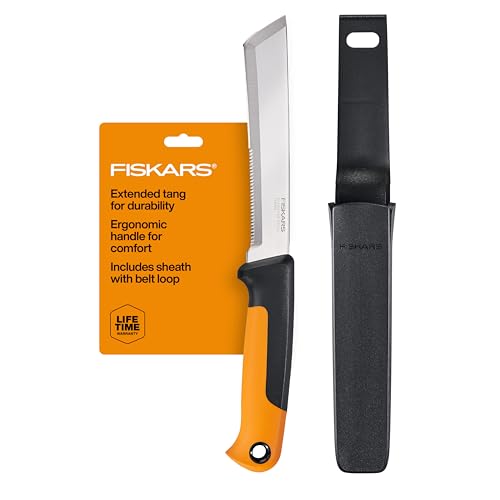
IDEAL FOR HARVESTING: Includes (1) Fiskars Harvesting Knife with hard plastic sheath and belt loop; perfect for thick stalks and stems, ensuring clean and precise cuts with ease in vegetable gardens and orchards; backed by a Lifetime Warranty
Tools and Techniques
Use the right tools for an efficient harvesting process.
- Sharp Knife or Scissors: A sharp knife or scissors yield clean cuts, reducing damage to the plant.
- Harvest Basket: A basket keeps your lettuce organized and protected during transport.
- Gloves: Wearing gloves protects your hands while also keeping the leaves clean.
When harvesting, gently lift the outer leaves first. Start from the base and cut or twist the leaves off at their base. For full heads, cut the entire plant just above the soil line. Avoid pulling the lettuce, as this can disturb nearby plants.
Timing for Optimal Flavor
Timing significantly impacts flavor.
- Morning Harvest: Harvest in the morning when leaves are crisp and full of moisture.
- Before Heat: If temperatures soar, pick your lettuce before noon. Leaves may wilt in the heat, impacting taste.
- Mid-Season Harvest: Romaine and Butterhead varieties taste best when they reach 10 to 12 inches; Leaf varieties thrive at 6 to 8 inches.
Monitor growth stages closely. Waiting too long can lead to bitterness. If the lettuce begins to flower, it’s best to harvest immediately, as flavor diminishes afterward.
By using the right tools and timing your harvest accurately, you can enjoy the flavors of home-grown lettuce at their peak.
Conclusion
Harvesting your lettuce at the right time can make all the difference in flavor and quality. By keeping an eye on the signs of readiness and understanding the growth stages, you can ensure your greens are crisp and delicious. Remember to consider the specific variety you’re growing and the conditions in your garden.
With a little patience and attention, you’ll be able to enjoy the freshest lettuce right from your backyard. So grab your tools and get ready to savor the fruits of your labor. Happy harvesting!
Frequently Asked Questions
When is the best time to harvest lettuce?
The best time to harvest lettuce is in the morning when the leaves are crisp and full of moisture. This timing helps ensure optimal flavor and freshness. It’s advisable to avoid harvesting during the heat of the day to prevent wilting.
How long does it take for lettuce to grow?
Lettuce typically takes about 30 to 70 days to grow, depending on the variety. Seeds sprout within 7 to 14 days, followed by a seedling stage lasting 2 to 4 weeks before they are ready to be harvested.
What are the signs that lettuce is ready to be harvested?
To determine if lettuce is ready to harvest, look for vibrant green leaves that are around 6 to 12 inches long, depending on the variety. The leaves should feel firm and dense, signaling that the lettuce is at its peak quality.
What factors influence lettuce harvest time?
Lettuce harvest time is influenced by several factors, including temperature, moisture, soil quality, and sunlight. Monitoring these conditions helps ensure the best taste and quality of the greens.
How should I harvest my lettuce?
Use a sharp knife or scissors for a clean cut and gently lift the outer leaves first. Avoid pulling the lettuce to prevent disturbing nearby plants. Harvesting in the morning is recommended for optimal flavor.
