

Do you ever find yourself wondering how to give your tomato plants the best care possible? Picture this: You’ve planted your tomatoes with excitement, but as they begin to grow, you notice they’re not thriving as you hoped. That’s where knowing the right fertilizers can make all the difference in ensuring your tomatoes are healthy and productive.
Key Takeaways
- Tomato plants require nitrogen, phosphorus, and potassium for optimal growth and development.
- Nutrient deficiencies in tomato plants can be identified through specific signs like yellowing leaves or weak stems.
- There are two main types of fertilizers for tomato plants: organic (slow release) and synthetic (quick release).
- Fertilize tomato plants during key stages like early spring, fruit set, and mid-season boost while avoiding late feeding.
- Proper application methods for solid and liquid fertilizers include broadcasting, topdressing, incorporation, dilution, root application, and foliar feeding.
Understanding Tomato Plant Nutrition Needs
Tomato plants, like all plants, have specific nutrition requirements to grow healthy and produce bountiful harvests. To ensure your tomato plants thrive, it’s essential to understand their nutritional needs.
The Importance of Nitrogen, Phosphorus, and Potassium
Tomato plants require three primary nutrients for optimal growth: nitrogen, phosphorus, and potassium. These nutrients play crucial roles in different aspects of the plant’s development.
- Nitrogen: It’s responsible for leafy green growth in tomato plants. Lack of nitrogen can lead to stunted growth and yellowing leaves.
- Phosphorus: Vital for root development and flower/fruit production. Inadequate phosphorus may result in poor root formation and low fruit yield.
- Potassium: Aids in overall plant health, disease resistance, and fruit quality. Without enough potassium, tomatoes may be more susceptible to diseases.
Signs of Nutrient Deficiencies in Tomato Plants
Recognizing nutrient deficiencies early is key to addressing them promptly and ensuring healthy plant growth. Keep an eye out for these signs:
- Nitrogen Deficiency:
- Yellowing lower leaves
- Stunted growth
- Phosphorus Deficiency:
- Purple discoloration on leaves
- Delayed maturity
- Potassium Deficiency:
- Brown scorching on leaf edges
- Weak stems
Being able to identify these deficiencies promptly allows you to take corrective measures such as adjusting fertilization or soil amendments to support your tomato plants’ nutritional needs effectively.
Types of Fertilizers for Tomato Plants
When it comes to fertilizing your tomato plants, you have two main options: organic fertilizers and synthetic fertilizers. Each type offers specific benefits for your plants’ growth and development.
Recommended Products

For more nutritious and tasty vegetables

ORGANIC PLANT FOOD: This liquid fertilizer for tomatoes & vegetables provides nutrients to ensure superior results.

Burpee Organic All Purpose Granular Plant Food is formulated for long-lasting results
Organic Fertilizers
Organic fertilizers are derived from natural sources and provide a slow release of nutrients to your tomato plants. They improve soil structure, promote beneficial microorganisms, and enhance overall plant health. Examples of organic fertilizers include compost, manure, bone meal, and fish emulsion.
Synthetic Fertilizers
Synthetic fertilizers are manufactured chemical compounds that deliver nutrients quickly to tomato plants. They are highly concentrated and offer precise control over nutrient ratios. However, they can lead to nutrient imbalances if not used correctly. Common synthetic fertilizers for tomatoes include ammonium nitrate, superphosphate, and potassium sulfate.
By understanding the differences between organic and synthetic fertilizers, you can choose the best option based on your gardening goals and preferences. Remember to follow recommended application rates and schedules to ensure optimal growth for your tomato plants.
When to Fertilize Tomato Plants
Knowing the right time to fertilize your tomato plants is crucial for their growth and development. Here’s a guide to help you optimize the timing of fertilization for your tomatoes:
Recommended Products

High Phosphorus & Potassium Fertilizer – Designed to deliver elevated phosphorus and potassium for targeted plant support.

Produce abundant and vibrant fruit and blooms! This product works by strengthening your plant's roots to increase nutrient uptake… enabling it to bloom and produce like you've never seen!

Produce abundant and vibrant fruit and blooms! This product works by strengthening your plant's roots to increase nutrient uptake… enabling it to bloom and produce like you've never seen!
Best Times in the Growing Season
- Early Spring: As soon as you transplant your tomato seedlings into the garden, consider applying a balanced fertilizer to provide essential nutrients for healthy root establishment.
- During Fruit Set: When your tomato plants start producing flowers and setting fruit, it’s beneficial to apply a fertilizer with higher levels of potassium to support fruit development.
- Mid-Season Boost: Around mid-season, consider giving your tomatoes a boost by applying a nitrogen-rich fertilizer to sustain vigorous growth and foliage health.
- Avoid Late Feeding: Refrain from fertilizing too late in the season as it can lead to delayed maturity and affect the flavor of the fruits.
- Yellowing Leaves: If you notice yellowing leaves (especially lower leaves), it could indicate a nitrogen deficiency, signaling that your plants may need additional feeding.
- Stunted Growth: Slow or stunted growth compared to usual plant development could be a sign that your tomatoes lack essential nutrients and require fertilization.
- Fewer Fruits or Blossom Drop: Insufficient flowering or dropping blossoms without fruit set may suggest a need for phosphorus-rich fertilizers to promote flower production and fruit formation.
- Small or Pale Fruits: If your tomatoes are producing undersized or pale fruits, they might benefit from extra potassium through proper fertilization practices.
How to Apply Fertilizer to Tomato Plants
When it comes to nourishing your tomato plants, applying fertilizer correctly is crucial for their growth and productivity. Here’s how you can effectively apply fertilizer to your tomato plants:
Recommended Products
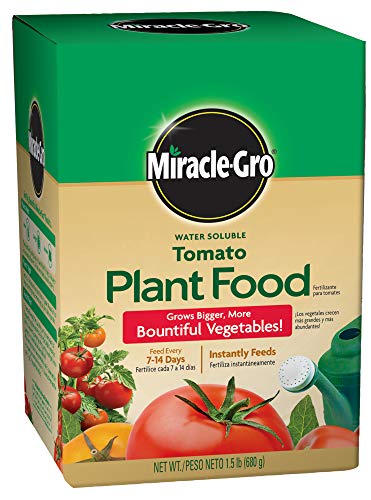
Instantly feeds to grow bigger, more bountiful vegetables versus. unfed plants
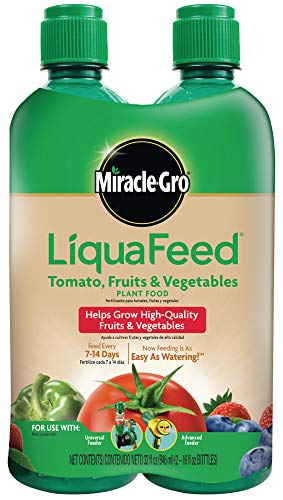
Miracle-Gro LiquaFeed Tomato, Fruits and Vegetables Plant Food helps grow high-quality fruits and vegetables

Derived for Maximum Growth: Neptune’s Harvest Natural Tomato & Vegetable Organic Fertilizer is a liquid plant food formulated for the critical "vegging" stage of tomatoes, vegetables, and houseplants; this liquid fertilizer enhances plant health, promotes vigorous foliage, and develops strong stems and roots; this fertilizer increases yield, supports healthy deep roots, and helps with big vegetation, healthier crops, especially for tomatoes and vegetables and is safe for kids and pets
Methods for Applying Solid Fertilizers
To apply solid fertilizers to your tomato plants, begin by following these simple steps:
- Broadcasting: Spread the granular fertilizer evenly over the soil around the base of the plants.
- Topdressing: Sprinkle the solid fertilizer on top of the soil, avoiding direct contact with plant stems.
- Incorporation: Mix the solid fertilizer into the soil around each plant, ensuring even distribution.
Tips for Using Liquid Fertilizers
When using liquid fertilizers on your tomato plants, keep these tips in mind:
- Dilution: Always dilute liquid fertilizers according to package instructions before application.
- Root Application: Apply liquid fertilizers directly to the root zone of the plants for optimal absorption.
- Foliar Feeding: Consider foliar feeding by spraying diluted liquid fertilizer on the leaves for quick nutrient uptake.
By following these methods and tips, you can ensure that your tomato plants receive the right nutrients at the right time, promoting healthy growth and abundant harvests.
Conclusion
You now have a better understanding of how to fertilize your tomato plants effectively. By choosing the right type of fertilizer, applying it correctly at various growth stages, and using suitable methods like broadcasting or foliar feeding, you can ensure that your tomatoes receive the essential nutrients they need for optimal growth and bountiful harvests. Remember to monitor your plants for any signs of deficiencies and adjust your fertilization practices accordingly. With these insights, you’re well-equipped to nurture thriving tomato plants in your garden. Happy gardening!
Frequently Asked Questions
What are the nutritional needs of tomato plants?
Tomato plants require essential nutrients like nitrogen, phosphorus, and potassium for healthy growth and fruit development. Deficiencies in these nutrients can lead to stunted growth, poor fruit quality, and low yields.
What is the difference between organic and synthetic fertilizers for tomatoes?
Organic fertilizers are derived from natural sources and release nutrients slowly over time, improving soil health. Synthetic fertilizers are chemically formulated for quick nutrient release but may cause salt buildup in the soil if overused.
How should I apply fertilizer to tomato plants during the growing season?
Apply fertilizer based on plant growth stages: start with a balanced fertilizer at planting, switch to a high-phosphorus fertilizer during flowering, and use a balanced or high-potassium formula as fruits develop.
What are some practical methods for applying solid fertilizers to tomato plants?
Solid fertilizers can be broadcasted around plants, top-dressed near the root zone, or incorporated into the soil before planting to ensure even distribution of nutrients.
How can I apply liquid fertilizers to tomato plants effectively?
Dilute liquid fertilizers according to package instructions and apply directly to the root zone for optimal nutrient absorption. Foliar feeding can also be used by spraying diluted fertilizer on leaves for quick nutrient uptake.
