

Have you ever wondered what the best way to grow lettuce is? Whether you’re a seasoned gardener or just starting out, choosing the right container or soil can make all the difference. Lettuce is a fantastic addition to any garden, and knowing how to cultivate it properly can lead to a bountiful harvest.
Key Takeaways
- Container Selection: Choose from options like plastic pots, raised beds, window boxes, or hydroponic systems to grow lettuce effectively, ensuring proper drainage is a priority.
- Soil Quality: Use a loose potting mix or compost-rich soil with a pH level between 6.0 and 7.0 to nourish your lettuce and retain moisture without becoming waterlogged.
- Watering Needs: Maintain consistent moisture by watering lettuce with approximately 1 inch of water weekly while ensuring good drainage to prevent water pooling.
- Light Requirements: Aim for 6-8 hours of sunlight daily for optimal growth, with partial shade recommended in hotter climates to avoid bolting.
- Growing Conditions: Ideal temperatures for lettuce are between 60°F and 70°F; monitor conditions and stagger planting to ensure a steady harvest throughout the growing season.
- Hydroponic Advantages: Consider soilless hydroponic systems for faster growth and potentially crisper lettuce, utilizing methods like Nutrient Film Technique (NFT) or Deep Water Culture (DWC).
What To Grow Lettuce In: An Overview
Selecting the right containers and soil is crucial for growing lettuce successfully. Here’s a breakdown of what you need.
Containers for Lettuce
- Plastic Pots: Lightweight and available in various sizes. Ensure pots have drainage holes.
- Raised Beds: Ideal for larger quantities. Provides good drainage and soil warmth.
- Window Boxes: Perfect for small spaces. These can fit on balconies or patios.
- Hydroponic Systems: Great for soilless growing. This method uses nutrient-rich water.
Soil for Lettuce
- Loose Potting Mix: A mix designed for container plants works well. Ensure it retains moisture without being soggy.
- Compost-rich Soil: Enriches the growing medium with nutrients. Aim for 25-50% compost mixed with regular soil.
- pH Levels: Lettuce thrives in slightly acidic to neutral soil, ideally between 6.0 and 7.0. Test your soil to confirm.
Watering and Drainage
- Consistent Moisture: Lettuce needs regular watering. Aim for about 1 inch of water weekly.
- Good Drainage: Prevent water from pooling. Adequate drainage holes in containers are essential.
- Full Sun: Lettuce grows best with 6-8 hours of sunlight daily. Place containers in sunny spots.
- Partial Shade: If you live in hotter climates, some midday shade can prevent bolting.
Types Of Lettuce
Lettuce comes in various types, each with its unique characteristics and growing requirements. Understanding these types can help you choose the best one for your garden.
Head Lettuce
Head lettuce forms tight, compact heads. Varieties like Iceberg and Butterhead are popular choices. Iceberg offers a crisp texture, while Butterhead provides a soft, tender leaf.
- Iceberg: Grows well in cooler climates and requires full sun. It thrives in well-draining soil rich in nutrients.
- Butterhead: Prefers moderate temperatures and can handle some shade, especially in hotter months.
Both types benefit from consistent watering to maintain moisture levels.
Leaf Lettuce
Leaf lettuce grows as loose leaves rather than forming a head. Varieties include Romaine and Red Leaf. Leaf lettuce matures more quickly than head lettuce, making it great for successive planting.
- Romaine: Known for its crunchy texture, it does well in direct sunlight. It requires slightly more space between plants for optimal growth.
- Red Leaf: Provides a colorful addition to salads and grows well in partial shade, making it suitable for warmer climates.
Leaf lettuce types enjoy fertile soil and regular watering for best results.
Growing Conditions
Lettuce grows best under specific conditions that support its health and flavor. Understanding light and temperature needs helps you achieve a successful harvest.
Recommended Products

FULL SPECTRUM & NATURAL LIGHT: A19 full spectrum grow light appears 4000K white to eyes but has a red/blue light spectrum. Same as natural sun shine, perfect for tomatoes, cucumbers, peppers, leafy greens and herbs at all growth stages.

🌻Efficient LED Combination: This LED lamp has grow lights made up of 80 efficient growing LEDs ( 32 red lights, 12 blue lights,20 yellow lights and 16 white lights). It meets the conditions of plant growth without sunlight. 1--Full Spectrum(380nm-800nm): Suitable for all plants to root and sprout. 2--Red(660nm)+BLUE(460nm) Spectrum: for blooming and fruits. 3--Red+Blue+Full Spectrum: A mix of Red+Blue+Warm White is best to fuel the growth of your plants.

6000K White Light - equipped with 10 Red + 74 White LEDs, this growing Lamp is similar to the full-spectrum sunlight at noon,that is professionally designed for indoor garden plants.Moreover, its color rendering index is as high as 95, the light is soft and flicker-free, which is very suitable for reading lamp
Light Requirements
Lettuce thrives with 6-8 hours of sunlight each day. Full sun promotes healthy growth, particularly for head lettuce varieties like Iceberg and Butterhead. If you’re in a hotter climate, consider providing partial shade during peak sunlight hours to prevent wilting and bolting. For indoor or container gardening, placing your lettuce near a south-facing window offers adequate light. If sunlight is limited, consider using grow lights to supplement.
Temperature Preferences
Lettuce prefers cooler temperatures, ideally between 60°F and 70°F. It flourishes in spring and fall, as heat can cause it to bolt, turning bitter and unpalatable. If daytime temperatures exceed 75°F, you might notice faster flowering and slower leaf growth. To maintain optimal conditions, regularly monitor the weather and ensure your lettuce stays watered—especially in warmer periods. For a steady harvest, stagger your planting times in cooler months and focus on heat-resistant varieties in warmer seasons.
Best Growing Mediums
Choosing the right growing medium for lettuce is crucial for healthy growth. The two primary options are soil types and hydroponic systems, both offering distinct advantages for successful cultivation.
Recommended Products

Heirloom Non-GMO Seeds: The seed pod kit contains 6 kinds of lettuce seeds, they are Red&Green Leaf Lettuce, Romaine, Butter Head, Black Seeded Simpson, Red Sail, Marvel of 4 Seasons. Various kinds of lettuce seeds, each one is rich in nutritional value. 100% Non-GMO, open pollinated
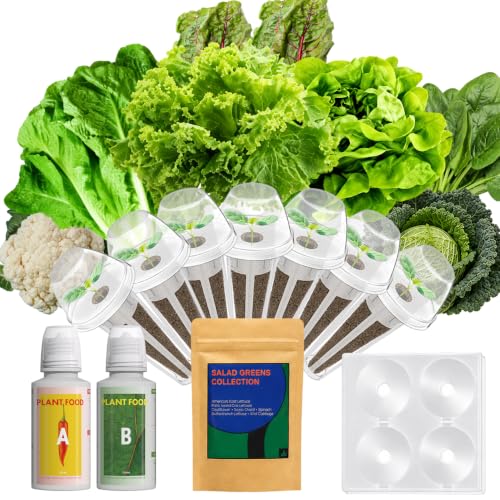
Complete Accessories: Hydroponic salad seed kit not only has 7 kinds of salad seeds (American Fast lettuce, Paris Island cos lettuce, Buttercrunch lettuce, Spinach, Swiss Chard, Cabbage, Cauliflower) but also includes a set of 7 growth sponges, 7 pod labels, 7 baskets, 8 domes, and A&B Plant Food. With more than 350+ seeds to choose from, pick your favorite seeds to plant and enjoy endless planting fun

High Yield and Quality: Soilless cultivation with nutrient film can meet the production potential of crops; Compared with traditional soil cultivation, the yield can be doubled with requiring less water and less space
Soil Types
Select a soil that drains well and retains moisture. Ideal options include:
- Potting Mix: Lightweight and formulated for container gardening, a quality potting mix contains ingredients like peat moss and perlite. This combination ensures aeration and moisture retention.
- Compost-Rich Soil: Enriching soil with compost adds essential nutrients. Use a mixture of equal parts compost, topsoil, and perlite for balanced nutrition and drainage.
- Loamy Soil: Well-balanced in texture and nutrient content, loamy soil supports sturdy root development. It typically has a mix of sand, silt, and clay, optimizing moisture retention while allowing excess water to drain.
Aim for a pH level between 6.0 and 7.0 to maximize nutrient availability, ensuring your lettuce grows robust and delicious.
Hydroponic Systems
Hydroponic systems offer a soilless alternative, using nutrient-rich water to nourish plants. Consider these common hydroponic methods:
- Nutrient Film Technique (NFT): In this system, a thin film of nutrient solution circulates through a channel where lettuce roots dangle. This setup ensures consistent access to nutrients while preventing over-saturation.
- Deep Water Culture (DWC): Lettuce roots sit in aerated nutrient solution, allowing rapid growth. This method promotes vigorous root development while minimizing pests and weeds.
- Ebb and Flow System: This approach periodically floods the plant roots with nutrient solution before draining. It provides necessary water and oxygen for healthy growth.
Choose a hydroponic system based on your available space and resources. Hydroponics typically yields faster growth and may produce crispier leaves compared to traditional soil methods.
Containers For Lettuce
Choosing the right containers for growing lettuce significantly impacts your success. Various types of containers cater to different growing environments and preferences.
Recommended Products

MOBILE GARDEN ON WHEELS — Two all-terrain wheels and an ergonomic handle let you roll a 200+ lb planted bed wherever sunlight goes. Move your garden across patio, balcony, or backyard in minutes.
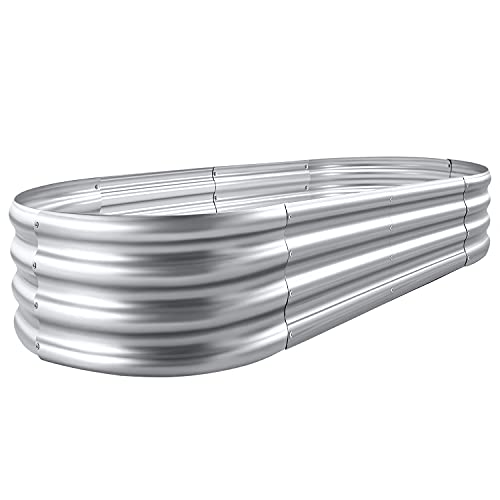
Each raised metal garden bed size: 4×2×1ft ,7.14Cu

Raised Beds
Raised beds provide excellent drainage and soil quality, making them ideal for growing lettuce. They allow better control over soil conditions and can be filled with a nutrient-rich mix. Ensure your raised bed is at least 6-12 inches deep to accommodate lettuce roots. Position the bed in an area that receives 6-8 hours of sunlight daily.
For optimal growth, space your lettuce plants 6-12 inches apart. This spacing promotes air circulation, reducing the risk of fungal diseases. When using raised beds, consider adding a layer of mulch on top to help retain moisture.
Pots And Planters
Pots and planters offer versatility and can fit into small spaces, making them perfect for urban gardeners. Select containers that are at least 6-8 inches deep. Ensure each pot has drainage holes to prevent waterlogging. Plastic, ceramic, or terracotta pots work well for growing lettuce.
Use a high-quality potting mix enriched with compost for the best results. Fill the pot, leaving an inch at the top for watering. Space lettuce plants 4-12 inches apart in pots, depending on the variety. Smaller leaf lettuces can grow closer together, while larger head lettuces require more space.
Consider using window boxes if you have limited space. These long, narrow containers can fit on balconies or ledges while providing ample room for multiple lettuce plants. Be mindful of watering needs, as pots can dry out faster than garden beds. Check moisture levels frequently, ensuring consistent hydration for optimal growth.
Conclusion
Growing lettuce can be a rewarding experience that adds freshness to your meals. By choosing the right containers and soil you can create the perfect environment for your lettuce to thrive. Whether you opt for pots raised beds or hydroponic systems each method offers unique benefits that cater to your gardening style.
Remember to keep an eye on moisture levels and sunlight to ensure your lettuce stays healthy and delicious. With a little care and attention you’ll be enjoying crisp homegrown lettuce in no time. Happy gardening!
Frequently Asked Questions
What containers are best for growing lettuce?
A variety of containers work well for growing lettuce, including plastic pots, raised beds, window boxes, and hydroponic systems. Each container has its benefits: raised beds offer good drainage and soil control, while pots and window boxes are perfect for small spaces. Ensure containers provide at least 6-8 inches of depth and have drainage holes.
What type of soil is suitable for lettuce?
Lettuce thrives in loose, well-draining soil. A potting mix or compost-rich soil with a pH between 6.0 and 7.0 is ideal. This type of soil promotes moisture retention while allowing excess water to drain, preventing root rot and ensuring healthy growth.
How much sunlight does lettuce need?
Lettuce requires 6-8 hours of sunlight each day for optimal growth. In hotter climates, partial shade can help prevent wilting and bolting. Ensure your lettuce receives enough light to develop flavor and tenderness without being exposed to extreme heat.
What are the best temperatures for growing lettuce?
Lettuce grows best in cooler temperatures ranging from 60°F to 70°F. Spring and fall provide ideal growing conditions. High temperatures can cause the plant to bolt and become bitter, so monitor the weather and stagger planting times for a consistent harvest.
Can lettuce be grown hydroponically?
Yes, lettuce can be grown hydroponically, which allows for quicker growth and potentially crisper leaves. Techniques such as Nutrient Film Technique (NFT), Deep Water Culture (DWC), and Ebb and Flow systems are effective. These methods eliminate soil, providing plants direct access to nutrients and water.
How often should I water lettuce?
Consistency is key when watering lettuce. Aim to keep the soil moist but not soggy. Depending on the weather and container type, you may need to water daily or every few days. Monitor the soil moisture and adjust as needed to prevent wilting.
What is the spacing for planting lettuce?
For optimal growth and air circulation, space lettuce plants 6-12 inches apart. This helps reduce the risk of fungal diseases and allows each plant adequate room to develop. Adjust spacing based on the type of lettuce to ensure healthy growth.
