

Are you noticing your tomato plant looking a bit droopy lately? Picture this: you’ve been diligently caring for your garden, only to find your prized tomato plant wilting before your eyes. Don’t fret! In this article, we’ll guide you on what to do if your tomato plant is showing signs of distress.
Imagine the satisfaction of rescuing your beloved tomato plant and watching it thrive once more. By following simple yet effective steps, you can revive your wilting tomato plant and ensure a bountiful harvest in no time. Stay tuned to discover practical tips and tricks to bring life back to your garden oasis.
Ready to turn things around for your struggling tomato plant? Let’s dive into easy-to-follow solutions that will have your garden flourishing again in no time.
Key Takeaways
- Identifying Symptoms: Look out for physical signs like drooping leaves, wilted stems, and discolored leaves to diagnose wilting in tomato plants.
- Common Causes: Address issues such as lack of water, overwatering, diseases, and pests promptly to revive struggling tomato plants.
- Immediate Actions: Adjust watering practices, inspect for pests, and take immediate steps to revive a wilting tomato plant effectively.
- Preventative Measures: Implement proper planting techniques, maintain regular care including watering and fertilizing, and use support structures to prevent wilting in tomato plants.
Identifying Symptoms of Wilting in Tomato Plants
When checking your tomato plants for wilting, it’s essential to look out for specific physical signs and environmental indicators that can help you diagnose the issue accurately. Here’s what to watch for:
Physical Signs
Inspect your tomato plant for the following physical symptoms of wilting:
- Drooping leaves: If you notice your tomato plant’s leaves appearing limp or droopy, it could be a sign of wilting.
- Wilted stems: Check if the stems of your tomato plant have lost their firmness and appear shriveled or wilted.
- Discolored leaves: Look for any changes in leaf color, such as yellowing or browning, which may indicate stress from wilting.
Environmental Indicators
Consider these environmental factors that could contribute to wilting in tomato plants:
- Overwatering: Excessive moisture in the soil can lead to root rot and cause the plant to wilt.
- Underwatering: Insufficient water supply can also result in wilting as the plant is unable to take up enough moisture.
- High temperatures: Extreme heat can increase water loss through transpiration, leading to wilting symptoms.
By observing these physical signs and environmental indicators closely, you can better understand why your tomato plant is wilting and take appropriate steps to address the underlying issues.
Common Causes of Wilting in Tomato Plants
If your tomato plant is wilting, it’s crucial to identify the root cause promptly. Here are some common reasons why your tomato plants may be wilting:
Recommended Products

Planting: Space 18 to 36 inches apart, depending on type. (Read the stick tag that comes with the plant for specific spacing recommendations.) Plant deeply, burying 2/3 of the stem.

For great gardens that create culinary inspiration, choose easy-to-grow Bonnie Plants Husky Cherry Red Tomato with Miracle-Gro Pour & Feed Singles Ready-to-Use Plant Food 4-pack for your garden; trust the experts with more than 200 years of experience

Great, all-round, dependable choice for your basic tomato needs, with Miracle-Gro Pour & Feed Singles Ready-to-Use Plant Food 4-pack for your garden; trust the experts with more than 200 years of experience
Lack of Water
When your tomato plants don’t receive an adequate amount of water, they can start to wilt. This often happens during hot and dry weather conditions when the soil dries out quickly. To prevent wilting due to lack of water, make sure you water your tomato plants deeply and regularly, especially during periods of drought.
Too Much Water
Overwatering can also lead to wilting in tomato plants. When the roots are constantly sitting in soggy soil, they can’t absorb oxygen properly, causing the plant to wilt. To avoid this issue, ensure proper drainage in your planting containers or garden beds and allow the soil to dry out slightly between watering sessions.
Diseases and Pests
Certain diseases like bacterial wilt or pests such as aphids can attack tomato plants, leading to wilting symptoms. Keep an eye out for any signs of disease or pest infestations on your plants. If you notice any unusual spots on leaves or detect pests like spider mites, take appropriate measures such as applying organic pesticides or removing affected parts of the plant to prevent further damage.
By understanding these common causes of wilting in tomato plants and taking proactive steps to address them promptly, you can help revive your struggling plants and promote healthy growth.
Immediate Actions to Revive a Wilting Tomato Plant
If you find your tomato plant wilting, here are some immediate actions you can take to help revive it:
Recommended Products

Protect your oasis with 3 garden products in 1 from Captain Jack’s; Bonide Captain Jack’s Ready-to-Use Neem Oil spray for plants is a multi-purpose fungicide, insecticide and miticide for your lawn & garden

FUNGAL DISEASE CONTROL: Prevents and controls black spot on roses, powdery mildew, rust, downy mildew, and other listed fungal diseases when applied on a 7–14 day schedule

PLANT DISEASE CONTROL: Natria Neem Oil acts as an insecticide and fungicide in one convenient spray; Ready-to-use trigger sprayer requires no mixing
Adjusting Watering Practices
Check the soil moisture by inserting your finger about an inch into the soil. If it feels dry, it’s time to water. Ensure proper drainage in the pot or garden bed to prevent overwatering, which can lead to wilting. Remember that underwatering is also a common cause of wilting.
Inspecting and Managing Pests
Regularly inspect your tomato plant for pests like aphids, spider mites, or caterpillars, as they can cause damage leading to wilting. Use natural remedies like neem oil or insecticidal soap to manage pest infestations. Removing affected leaves or using physical barriers can also help protect your plant from further damage.
Preventative Measures for Healthy Tomato Plants
To ensure your tomato plants remain healthy and vibrant, implementing preventative measures is key. By following proper planting techniques and maintaining regular care, you can help prevent issues that may lead to wilting.
Recommended Products
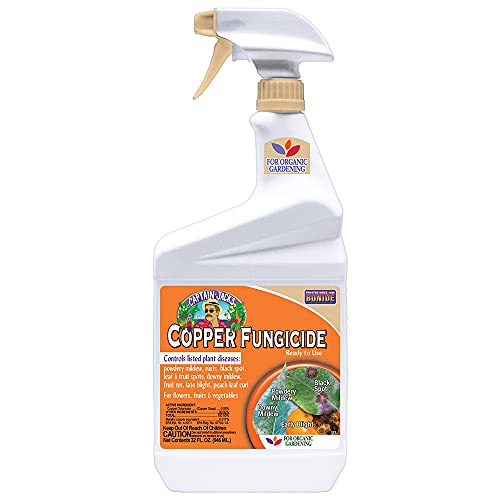
Control fungus and disease in your garden with Captain Jack’s ready-to-use Liquid Copper Fungicide!

3-IN-1 PLANT CARE: 3-In-1 Insect, Disease & Plant Mite Control provides insect control, disease control, and plant mite control all in one; Rainproof protection starts in 4 hours and lasts up to 14 days

3-in-1 FORMULA: Aphid spray for outdoor plants for use on roses, flowers, shrubs and trees to control listed insects, disease and mites
Proper Planting Techniques
When it comes to planting tomatoes, the way you plant them can significantly impact their health. Here are some essential planting tips to keep in mind:
- Plant Depth: Ensure you plant your tomatoes at the correct depth. Bury them deep enough so that only the top few sets of leaves are above ground.
- Spacing: Provide adequate spacing between tomato plants to allow for good air circulation, which helps prevent diseases that can cause wilting.
- Support: Use stakes or cages to support your tomato plants as they grow. This helps prevent them from bending or breaking under their weight.
Regular Maintenance and Care
Regular maintenance plays a crucial role in keeping your tomato plants healthy and strong. Here’s how you can maintain and care for your plants effectively:
- Watering: Water your tomato plants consistently, ensuring they receive an inch of water per week. Avoid overwatering, as this can lead to root rot and wilting.
- Fertilizing: Provide your tomato plants with appropriate fertilizer throughout the growing season to promote robust growth and fruit development.
- Pruning: Regularly prune your tomato plants by removing suckers (extra stems) to encourage better airflow and energy distribution within the plant.
By adhering to these preventative measures through proper planting techniques and regular maintenance practices, you’ll set a solid foundation for healthy tomato plants that are less likely to experience wilting issues.
Conclusion
Now that you’re equipped with the knowledge to identify and address wilting in tomato plants, you can confidently tackle any issues that may arise. Remember to closely monitor your plants for signs of distress, adjust watering practices accordingly, and promptly deal with any pests or diseases that may be affecting them. By taking proactive steps and implementing the suggested solutions, you can revive struggling tomato plants and set them on a path towards robust growth. Consistency in care, from proper planting techniques to regular maintenance routines, will help ensure the health and vitality of your tomato plants. With these strategies in mind, you’ll be well-prepared to nurture thriving tomatoes season after season.
Frequently Asked Questions
How can I identify wilting symptoms in tomato plants?
Wilting symptoms in tomato plants include drooping leaves, wilted stems, and overall lack of turgidity. Look for signs of dehydration or overhydration, such as dry soil or waterlogged roots.
What are the common causes of wilting in tomato plants?
Common causes of wilting in tomato plants include underwatering, overwatering, diseases like blight or fusarium wilt, and pests such as aphids or spider mites.
What immediate actions can I take to revive a wilting tomato plant?
To revive a wilting tomato plant, adjust watering practices by checking soil moisture levels and address pest infestations promptly using natural remedies or physical barriers.
How can I prevent wilting in my tomato plants?
Prevent wilting in tomato plants by following proper planting techniques like correct depth and spacing, maintaining consistent watering schedules, regular fertilizing, pruning for airflow, and monitoring for pests regularly.
